This policy brief highlights the value of agroforestry as an important source of bioenergy for households and small-scale industries; identifies market, production and labour constraints; and showcases the significance of improved cookstoves, briquettes and biogas infrastructure in enabling concurrent food and fuel production.
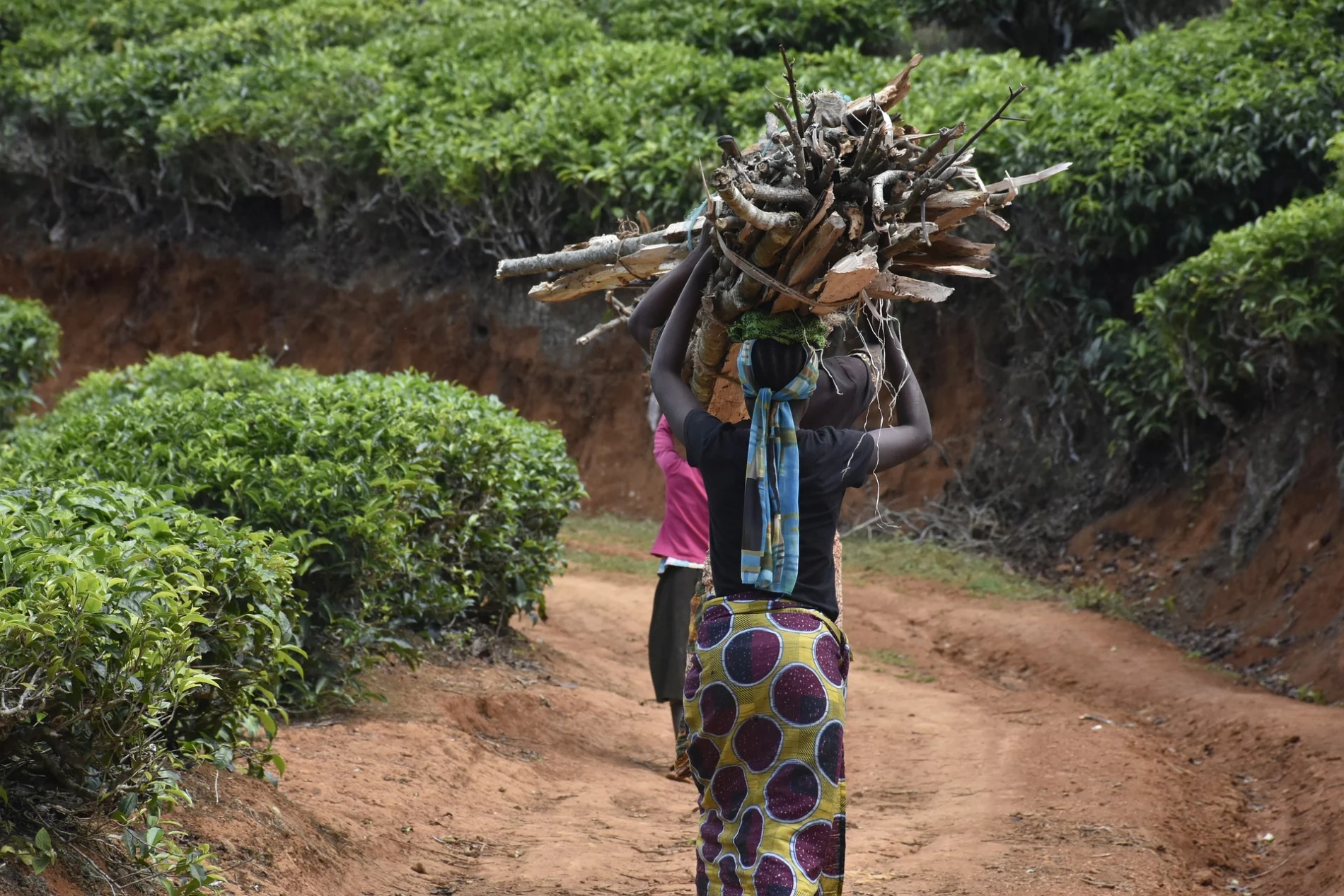
Photo: Michael Mallya / Pixabay
Biomass is often viewed as a primitive source of energy that needs to be modernized. However, it is unlikely that preferred modern energy sources will displace traditional biomass-based energy in the near term, especially in rural Africa and southeast Asia (FAO 2017). Demand for sustainably sourced biomass is likely to increase as the world moves away from fossil fuel dependence and transitions to sustainable energy sources. Agroforestry presents such opportunities for bioenergy security. Sustainable biomass sourcing and use require scaling up innovative mechanisms that reduce health and climate risks, efficient energy conversion and land tenure systems that are adaptable to long term tree/shrub cultivation. Bringing biomass production closer to homes and on farms reduces drudgery and environmental risks associated with sourcing from natural forests/woodlands and is vital for food security.
Project / The Swedish International Agricultural Network Initiative – SIANI – is a global network that supports and promotes dialogue and action around food systems.
Past event / Join the launch of the FAO report demonstrating the value of forests to agriculture.
Media advisory / Experts from SEI will be at CBD COP17 in Yerevan from 19–30 October and are available for commentary and analysis.
Press release / New Trase data analysis highlights the need for stronger supply chain transparency as domestic demand grows and export data gaps widen.