This article examines knowledge gaps in environmental impact assessments used in mine licensing, highlighting the lack of knowledge about how mining impacts Sámi herding communities.
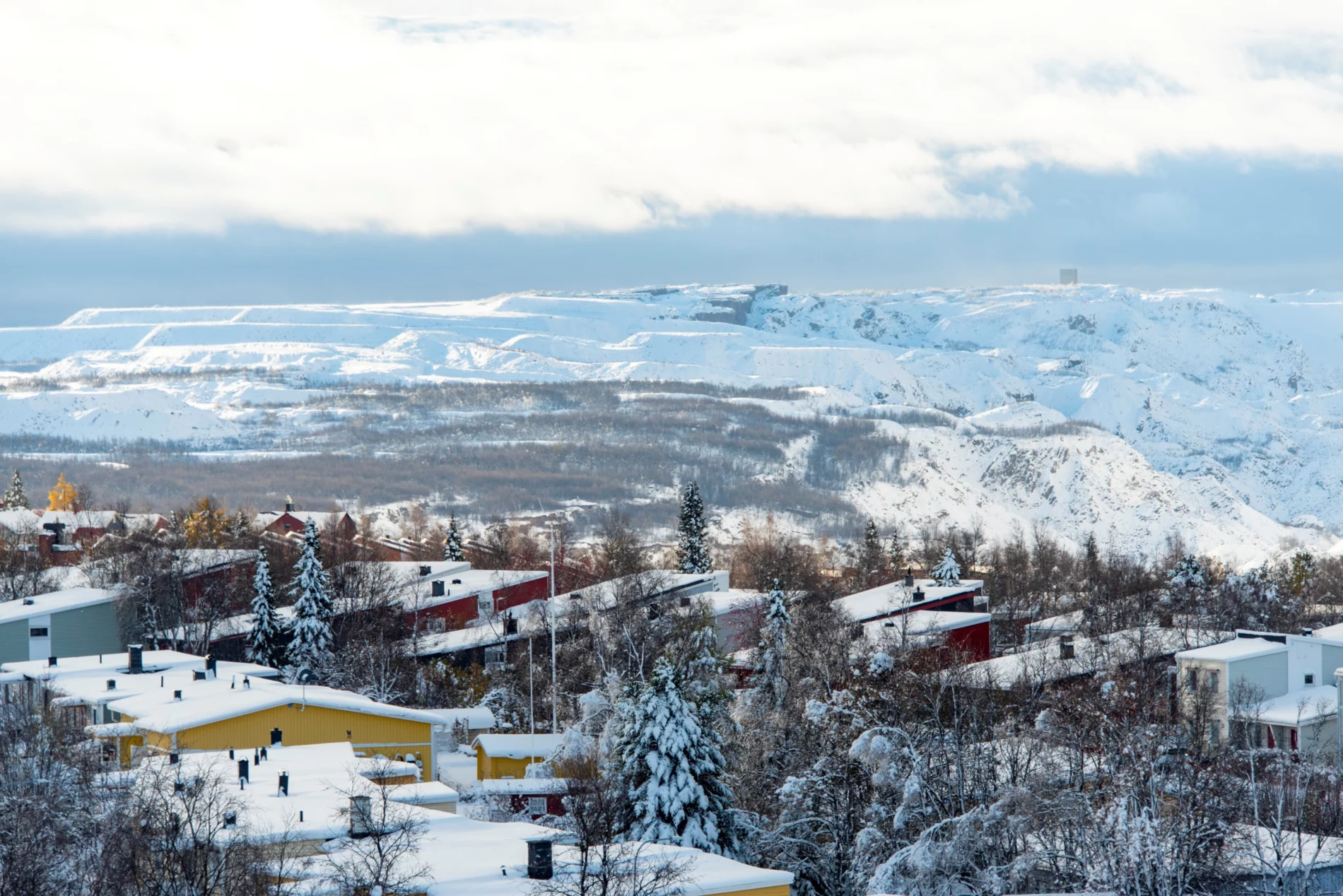
Iron Ore Mine, Kiruna, Sweden.
In the context of the EU’s Critical Raw Materials Act, which prioritizes mineral extraction and imposes time limits on project approvals, there have been a surge of policy proposals that aim to expedite licenses for green industry projects. Meanwhile, the academic literature largely overlooks risks for Indigenous Sámi rights and reindeer herding.
In this paper, the authors examined if a similar knowledge gap exists in a key part of the practitioner literature informing licencing decisions for new mines, namely environmental impact assessments (EIAs). To do so, they undertook a comparative synthesis of results from (1) unpublished findings from a review of selected EIAs from mining companies in Sweden, and (2) a review of Sámi knowledge about impacts at two mining sites in Sweden.
Findings reveal a considerable mismatch between predicted impacts in corporate EIAs and those impacts experienced by herding communities. Using an epistemic justice lens, the authors argue that this knowledge gap is no coincidence — instead it reflects an epistemic injustice underlying European and hence Swedish minerals policy and its ambitions to fast-track licensing and exploit Sámi lands in the name of the green transition.
Project / As mining in the Arctic increases, there is an urgent need to assess social and environmental impacts as well as mitigate negative impacts.
Journal article / This paper reports the results of a systematic mapping of research evidence of the impacts of metal mining in Arctic and boreal regions.
Journal article / The article presents an empirical analysis of mining impacts on Sámi reindeer herding in two cases from Sweden.
Journal article / Protocol for a systematic mapping of impacts of metal mining in Arctic and boreal regions