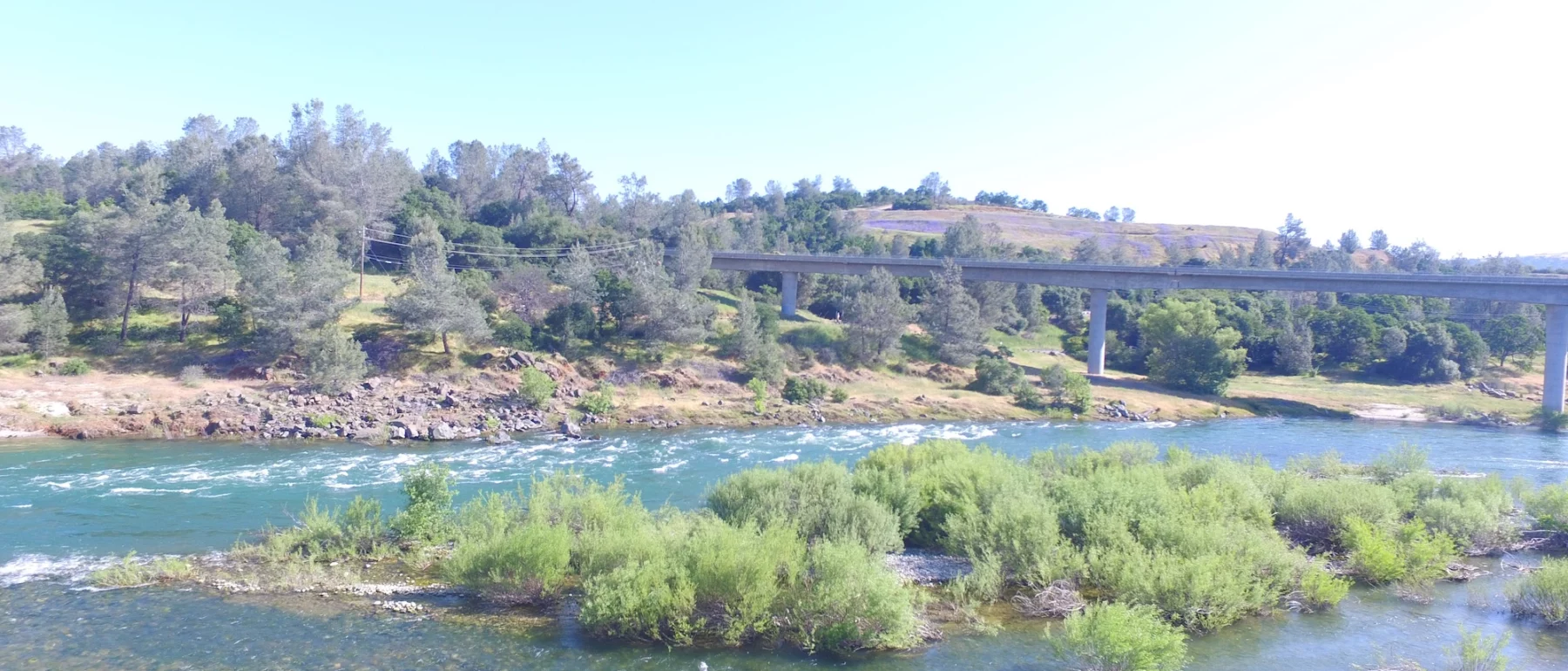
Understanding vegetation growth is essential in river restoration and planning projects. SEI expert Romina Díaz-Gómez, in collaboration with other researchers from University of California, Davis, explored the use of a random forest machine learning model in predicting where riverside vegetation grow best, and four ways to best leverage machine learning models to increase plant establishment and growth.
Riparian zones are areas of land around rivers, and have unique ecosystems with distinct vegetation and soil characteristics. As global river ecosystem loss continues to steadily increase, restoring vegetation in riparian zones has been a common way to counter the degradation. However, restoration efforts of these regions face challenges such as low vegetation survival rates, small-scale topographical complexities and region variability.
In this article, SEI scientist Romina Díaz-Gómez, in collaboration with University of California, Davis, studied the use of a random forest machine learning model for identifying locations to best plant vegetation in riparian zones. The model was trained on Light Detection and Ranging (LiDAR) data, using light-based remote sensing to measure topographic distances to the Earth. Using the Lower Yuba River in California, US, as the study area, the research team found that the random forest-powered machine learning model accurately predicted the presence of riparian vegetation around the river. The model also identified small-scale variation in surface elevation correlated most with riparian vegetation growth.
The team suggests four applications in which predictive models in vegetation can be used for improving riparian planting projects:
Tool / The Water Evaluation and Adaptation Planning tool (WEAP) provides a comprehensive and user-friendly framework for policy analysis in water resources planning.
Journal article / This article investigates the use of different algorithms to predict cottonwood growth around river banks and its implications in river conservation.
Project / SEI uses its flagship water modelling software, WEAP, to update the California Water Plan.
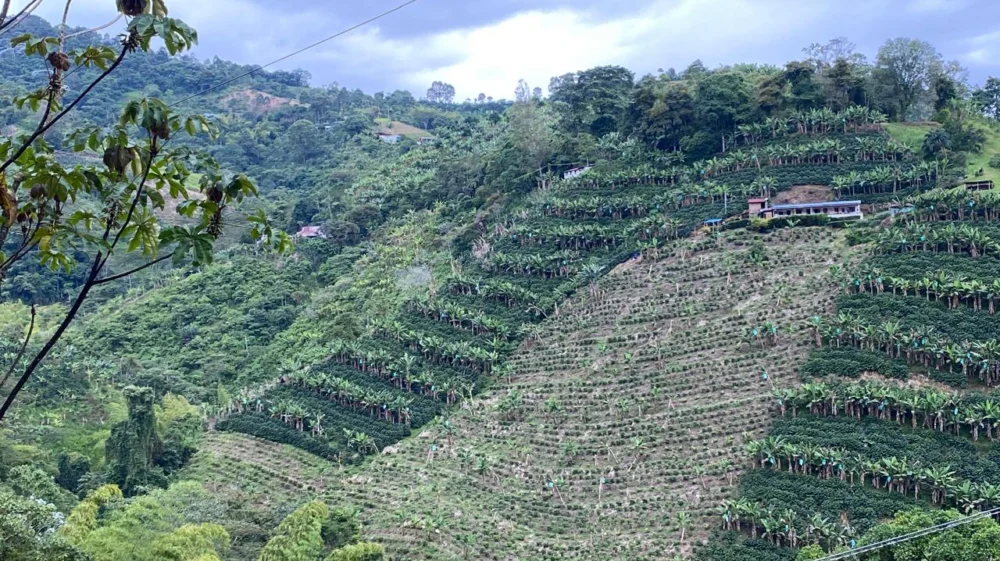
Feature / Coffee grower José María González Salazar is trying to preserve trees and crystal clear water through agroecology and multifunctional landscapes.