SEI research helps municipalities and stakeholders in California find innovative, negotiated solutions to the interlinked challenges of climate-related water shortages and competing demands on limited water resources. Most of this work takes place through the SEI US office in Davis, CA.
79 results / 1 of 9 pages
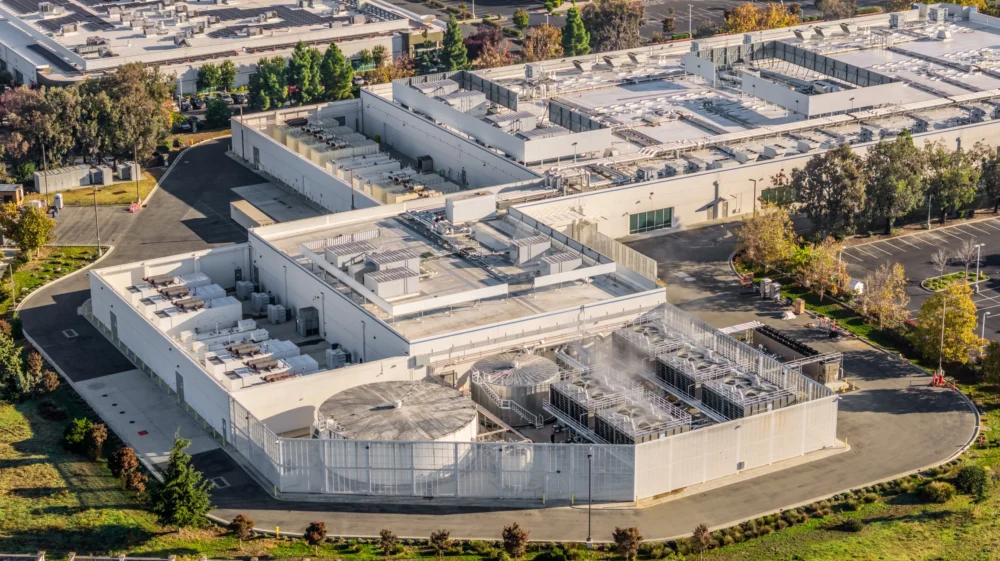
Project / This project uses geospatial analysis and public engagement to determine how data centre siting in California affects vulnerable communities' water security.
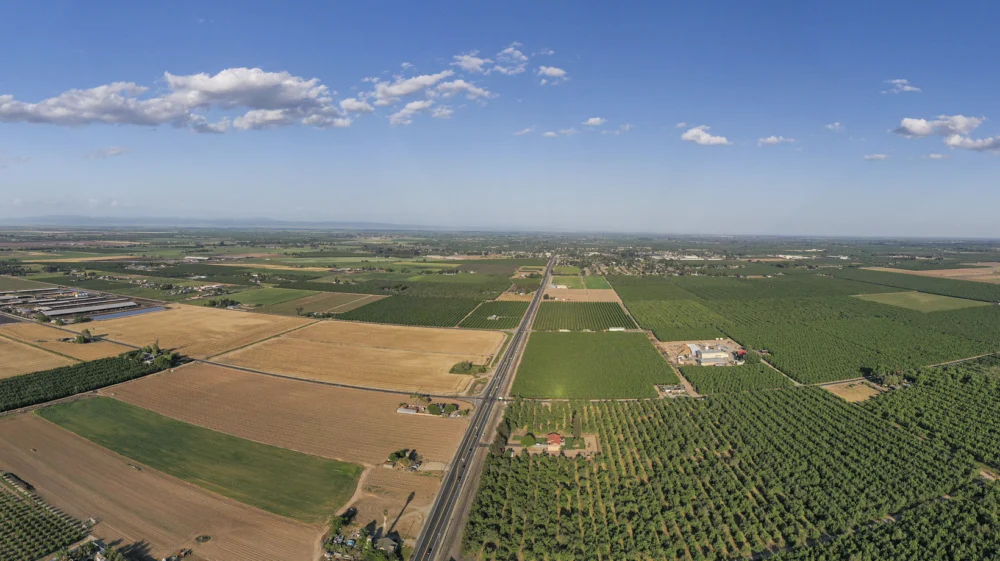
Project / SEI is creating an automated tool that processes remotely sensed data to determine cropping patterns in agricultural areas in California.
Feature / This story explores how SEI's WEAP tool empowers planners and policymakers to build resilient and adaptable water systems across the drying western US.
Journal article / This article reveals the health burden and racial-ethnic disparities of air pollution from the oil and gas lifecycle stages in the United States.
Journal article / This journal article proposes better hydroclimate forecasts for informing water allocating decisions in the state of California.
Journal article / This article investigates the use of different algorithms to predict cottonwood growth around river banks and its implications in river conservation.
Journal article / This article studies the use of machine learning on predicting the growth and health of vegetation around riverbanks.
Past event / This virtual New York Climate Week event explores on-the-ground trade-offs and solutions with SEI experts that benefit climate and biodiversity alike.
Perspective / This World Water Day, SEI Scientist Doug Chalmers reflects on how science supports conflict resolution around one of the planet's most precious resources: water