The authors of this research article explore how the Baltic Sea is evolving into a ‘built seascape.’ They highlight the necessity for cooperation and security strategies, alongside renewable energy and improved digital connectivity developments, to harmonize innovation with environmental protection.
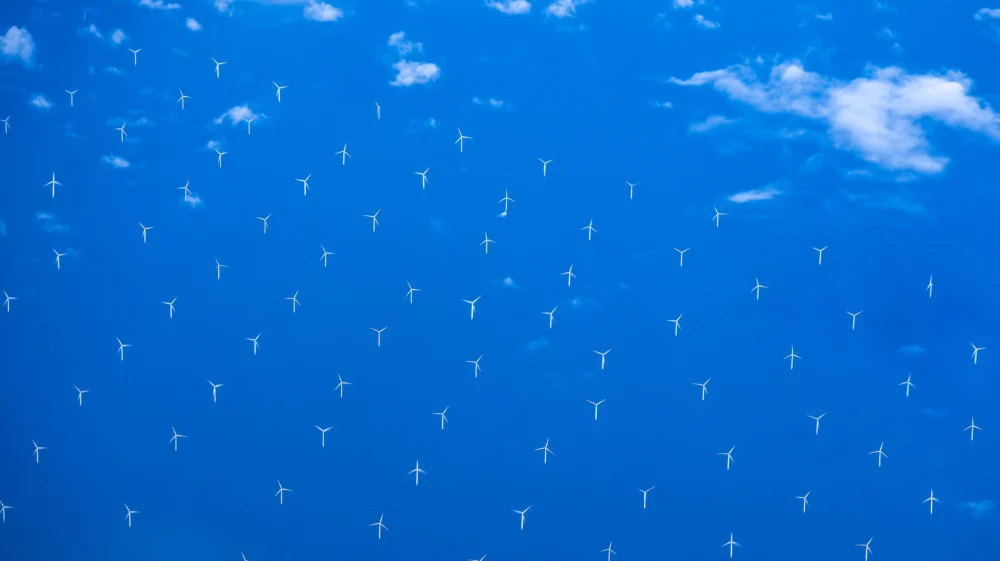
Offshore wind farm in the Baltic Sea near Copenhagen, Denmark
Photo: AntonyMoran / Getty Images
The Baltic Sea is transforming. Once defined by natural marine ecosystems and traditional maritime activities, it is now evolving into a ‘built seascape’ – a marine environment increasingly shaped by human infrastructure. Offshore wind farms, subsea cables, and digital monitoring systems are expanding rapidly, driven by the need for renewable energy, improved digital connectivity, and enhanced security. These changes bring significant opportunities and present complex challenges that demand new governance, cooperation, and security approaches.
A paradox lies at the heart of this transformation; while offshore infrastructure is essential for economic growth and sustainability, it is also highly vulnerable. Recent incidents of sabotage, cyberattacks, and geopolitical tensions have highlighted the risks of critical offshore systems. Additionally, the technologies shaping these built seascapes often serve dual purposes, used by both civilian and defense actors. The question is how to balance innovation, security, and environmental protection while ensuring that governance keeps pace with rapid technological advancements.
Project / Mistra Co-Creating Better Blue (C2B2) is a collaborative project for a more sustainable blue economy in Sweden.
Journal article / Systematic review of European marine multifunctionality through a policy-mix lens.
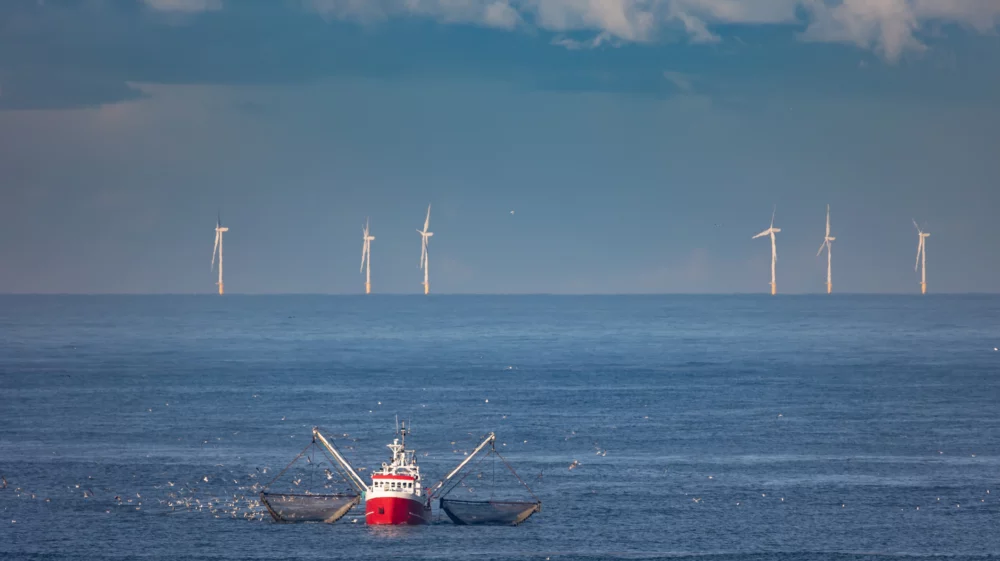
Feature / A living lab will explore how different interests such as fishing, defence and energy production can coexist in the Baltic Sea.
Feature / Ett living lab ska utforska hur olika intressen som fiske, försvar och energiproduktion kan samexistera i Östersjön.