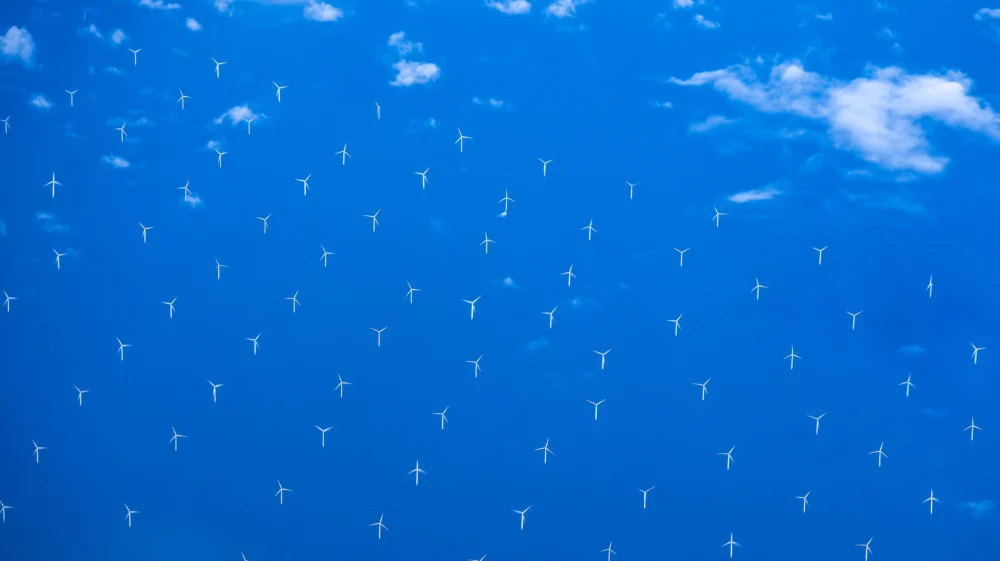
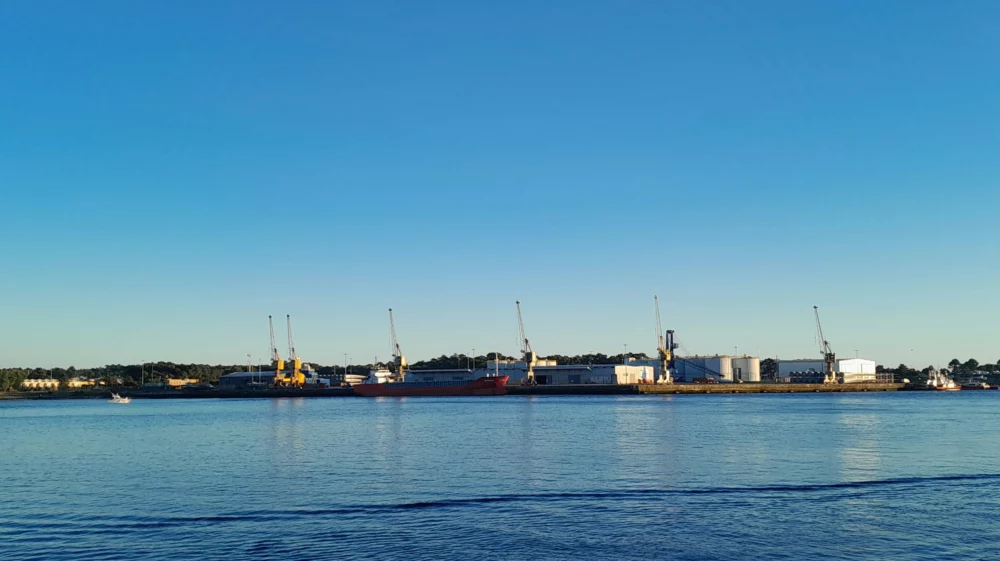
How can different interests such as fishing, energy production, security and environmental protection coexist in the Baltic Sea? This question is being explored in a “living lab” where a range of stakeholders are working together as part of the project Mistra Co-Creating Better Blue (C2B2).
The “blue economy” is becoming increasingly important for Sweden, which also means that conflicts of interests are increasing, as many sectors come together in the same space. The question of how different interests could coexist in a crowded sea begins to become more urgent, most recently illustrated by a decision by the Swedish government to block 13 offshore wind power projects, citing national defence concerns on the Swedish east coast.
To meet these fast-growing needs for better collaboration, the project Mistra Co-Creating Better Blue (C2B2), launched last year, will test different methods in practice through three so-called living labs. SEI leads one of these labs, Living Lab East, which brings together Swedish actors with links to the Baltic Sea, primarily public sector agencies, civil society and businesses, as well as researchers.
“Interest in this project is increasing because the situation in the Baltic Sea is changing so quickly, partly due to rising geopolitical tensions, but also because the blue economy is growing fast. There are more and more actors crowding into a fragile sea with big environmental problems,” says Karina Barquet.
The questions to be addressed by Living Lab East are decided by the participants through a five-step planning method called participatory backcasting. At the beginning of this year, the first step – defining the Baltic region’s key challenges – was completed. Balancing energy production and safety are in focus, not least since the Swedish Armed Forces opposed offshore wind power. Parts of the fishing industry have also expressed concern about the effects of offshore wind power. The Baltic Sea is also an important transport route and a popular tourist area. At the same time, major environmental problems include overfishing, pollution, eutrophication and noise.
Step two was taken in May during a workshop in Karlskrona with the aim of developing a shared vision. After many discussions, the group landed on four themes where they believe they can fulfil a function and complement work already being done by other actors:
The next steps for the collective work processes in Living Lab East include researching solutions to then develop and prioritize among them. The final stage will be testing and implementation.
“I think our work will lead to better management of the Baltic Sea while at the same time providing insights valuable to researchers,” says Barquet.
She emphasizes that the project is especially timely, given the sensitive geopolitical situation and the current period of rapid technological change, both of which raise new questions about how to protect critical infrastructure and ecosystems alike as activities in the Baltic Sea increase.
“Hopefully, Mistra Co-Creating Better Blue can increase understanding of the trade-offs we face and how important information can be collected, who has the right to access it, and how it can be shared,” Barquet says.
Living Lab East includes a wide range of participants, such as Region Blekinge, Gotland’s Blue Center, Region Stockholm, wind power company OX2, Mörrums Fishing, the Swedish Pelagic Federation (SPF), Stockholm University, the Swedish Society for Nature Conservation, WWF, RISE and the University of Gothenburg.
If you’re interested in joining or learning more, contact Karina Barquet at SEI for more information.
Project / Mistra Co-Creating Better Blue (C2B2) is a collaborative project for a more sustainable blue economy in Sweden.
Project / This project aims to critically examine how the dynamics of geopolitics, human security and global environmental change interrelate.
Journal article / This article explores how the Baltic Sea is becoming a ‘built seascape’ and calls for governance to balance innovation, sustainability, and security.
Other publication / SEI researchers argue in this opinion piece for a more holistic governance of nutrients, particularly nitrogen and phosphorus, when it comes to the Baltic Sea.
Project / Projektet stärker förmågan att hantera komplexa risker kopplade till klimatkrisen och olika samhällsförändringar.