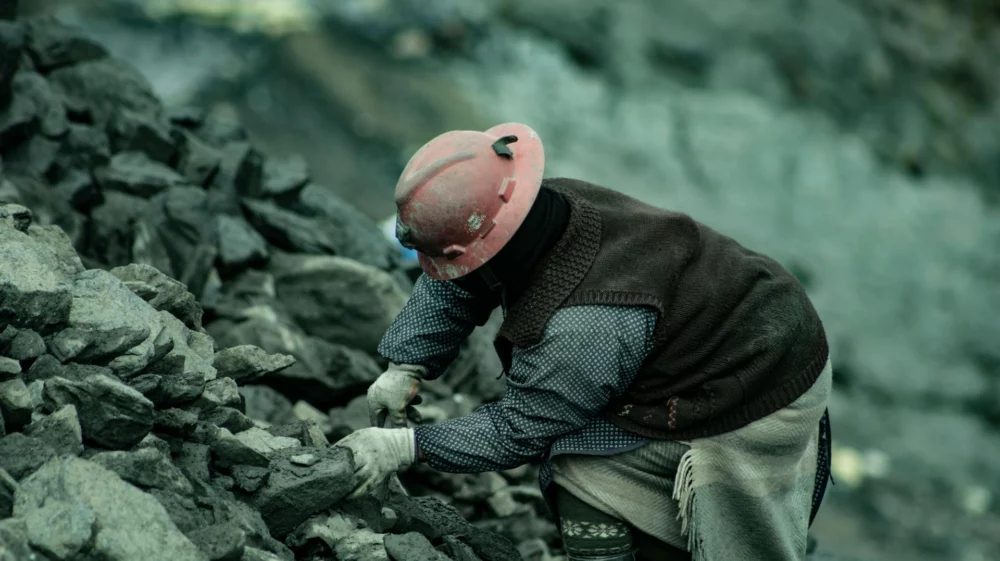
This report examines the gender and intersectional dimensions of coal mining and phase-out in Cesar, Colombia, drawing on a literature review, stakeholder mapping, and interviews with community leaders, NGO members, and government representatives across five municipalities.
This report identifies interconnected policy and research priorities for truly just transitions away from coal. Policy priorities include extending focused support to informal and feminised economies, embedding intersectional analysis in mine closure processes and regulation, strengthening protection mechanisms for human rights defenders, and adopting a long-delayed Public Policy for Women. Research priorities include developing frameworks for understanding how energy transitions affect LGBTIQ+ people, operationalising gender and intersectionality beyond binary gender frameworks, and generating longitudinal evidence on post-closure impacts.
Watch how Colombia’s coal transition affects women, LGBTQI+ people and livelihoods linked to the coal economy in Cesar.
The gender-energy nexus: evidence and gaps in Colombia’s coal transition
This publication was produced with the financial support of the International Climate Initiative of the German Federal Ministry for the Environment, Climate Action, Nature Conservation and Nuclear Safety (BMUKN) and the European Union under a Grant Agreement with GIZ. As an implementing partner of the IKI JET project, Wuppertal Institute für Klima, Umwelt, Energie GmbH subcontracted this research product to the Stockholm Environment Institute. Its contents are the sole responsibility of their authors and do not necessarily reflect the views of BMUKN, the EU or GIZ.
Project / This project uses an intersectional lens to understand who bears the costs of the energy transition and who benefits from it.
Past event / SEI joins global leaders in Santa Marta, Colombia, for the first international conference dedicated to transitioning away from fossil fuels.
Project / This project uses an intersectional lens to understand who bears the costs of the energy transition and who benefits from it.
SEI report / This report highlights the collapse of the coal industry in La Jagua de Ibirico, Colombia, with lessons on how other cities can better plan for coal's demise.