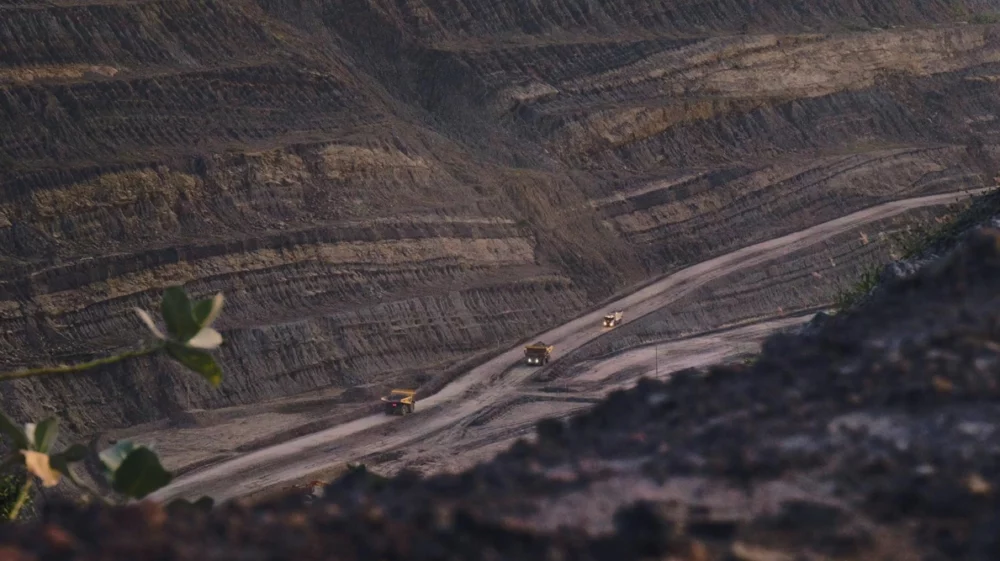
This project examines how the decline of coal mining in Colombia’s Cesar department affects women, men, and marginalized groups differently – and how these dynamics shape opportunities for just energy transitions.
As Colombia shifts away from coal, the social and economic impacts are not evenly distributed. Traditional gender roles, migration patterns, and unequal access to decision-making mean that mine closures may deepen existing inequalities. For example, men often dominate formal mining jobs, while women face precarious informal work or increased caregiving burdens when livelihoods disappear. Indigenous and Afro-Colombian communities, already marginalized, risk further exclusion from transition planning.
Through fieldwork, interviews, and collaboration with local organizations, this project explores who participates in energy transition decisions and who is left out, how labor and migration trends shift after mine closures, and what policies could ensure women and marginalized social groups benefit from new economic opportunities.
The research team works with communities in Cesar, alongside international partners, to compare findings with other coal-dependent regions like Indonesia. Findings will inform policymakers, unions, and civil society groups advocating for inclusive transition strategies.
This project is part of the global Innovation Regions for a Just Energy Transition, IKI JET initiative, supported by SEI and the Wuppertal Institute.
Perspective / A truly equitable shift to a green energy system must also guarantee gender justice, SEI authors argue.
SEI working paper / Researchers review the power dynamics and distributional politics that shape resistance to phasing out coal and to opportunities for change in Colombia.
SEI report / This report highlights the collapse of the coal industry in La Jagua de Ibirico, Colombia, with lessons on how other cities can better plan for coal's demise.
Project / SEI aims to support transitions from coal that address inequality and poverty.
SEI brief / Challenges highlighted here inform policy, development cooperation and private finance, research and on-the-ground projects, for researchers and practitioners.
Project / SEI aims to support transitions from coal that address inequality and poverty.
Project / This project aims to steer renewable energy development in La Guajira towards more equitable and socially beneficial paths.
Project / This tool will help countries in Latin America and the Caribbean ensure that their transitions towards sustainable agriculture, forestry, and land use.
Other publication / This report examines the gender and intersectional dimensions of coal mining and phase-out in Cesar, Colombia.
SEI report / This document offers a snapshot of the electric transmission sector in Colombia as of 2025.
Perspective / Calls in Colombia to increase gas production could set the country down an environmentally and financially perilous path despite cleaner energy alternatives.