Photo: chuttersnap / Unsplash
More than 65% of the world's population are projected to live in urban areas by 2050, with major implications resource use, energy, water and sanitation, and health and well-being. At the same time urbanization can bring benefits, especially efficiency gains. SEI examines these challenges in the round to advance sustainable urbanization.
631 results / 54 of 71 pages
Journal article / How has social learning helped or hindered sustainability transformations in urban water governance?
SEI brief / This initiative investigates how rapidly growing cities affect residents' wellbeing and how this interacts with the overall health of city systems.
Media coverage / Tobias Alfvén, Agnes Binagwaho and Måns Nilsson call for multisectoral collaboration to become the “new normal”.
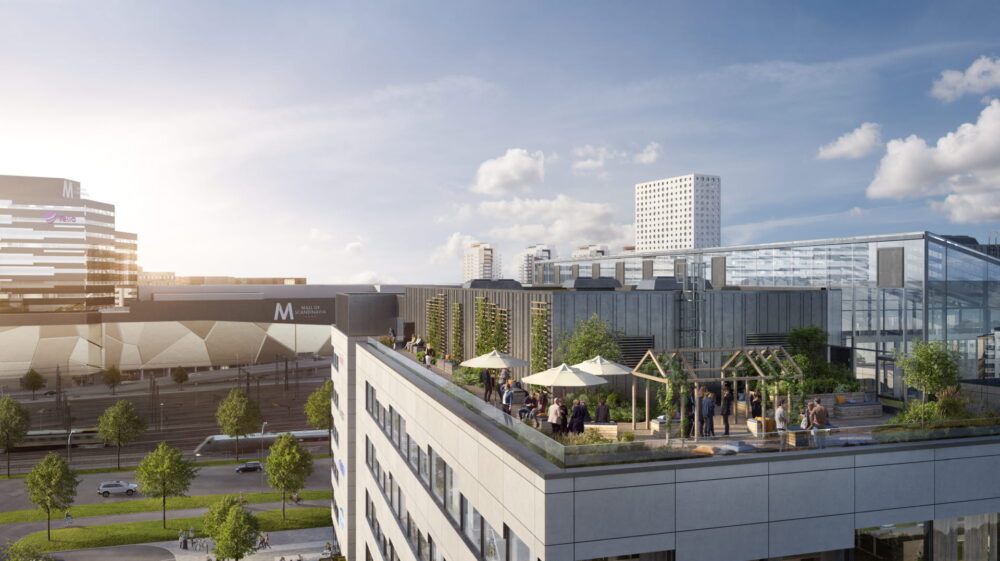
Project / With the transition to a sustainable society as a backdrop, the purpose of this pilot project is to explore the role of Fabege in the urban development sector.
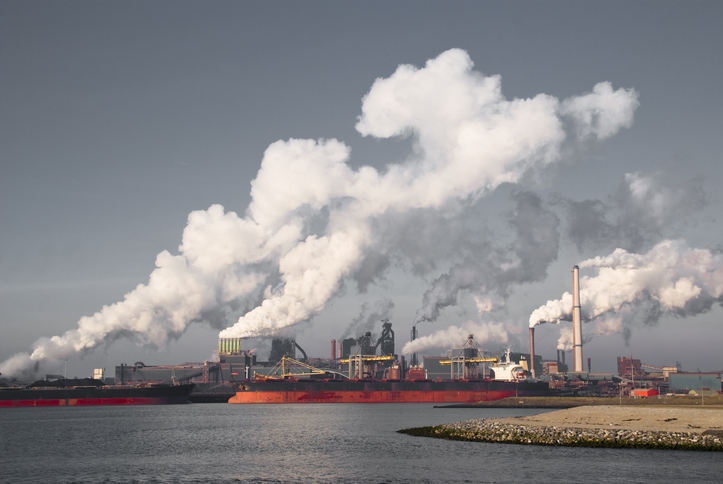
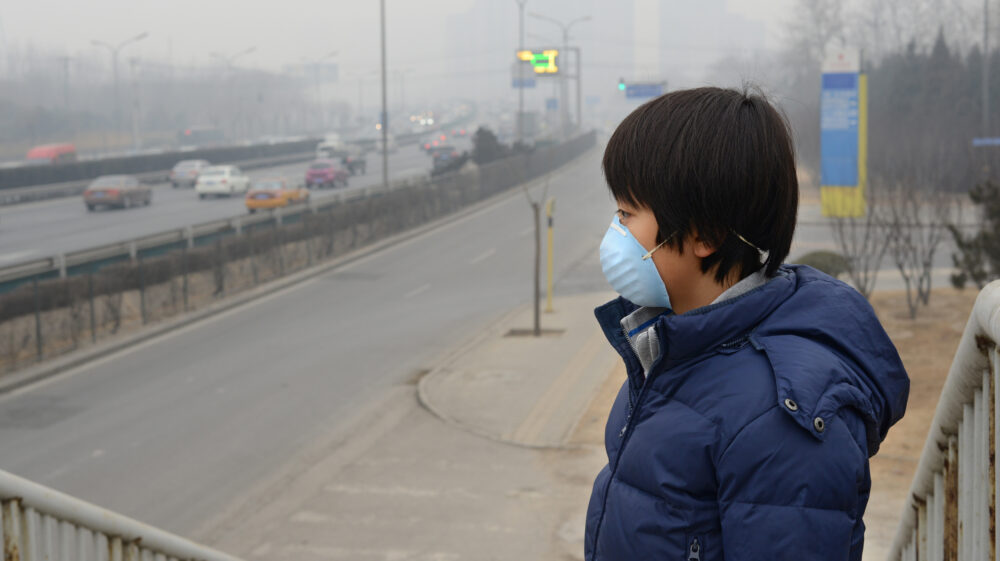
Media coverage / TRT World featured SEI Policy Director Johan Kuylenstierna and air pollution experts in their programme Roundtable: When will we breathe easy?
Press release / This briefing will take stock of recent issues in the science and policy of sustainable development, ahead of the UNFCCC climate change summit in Poland.
Other publication / The first comprehensive scientific assessment of the air pollution outlook in Asia and the Pacific details 25 measures to tackle the issue.
Feature / Fewer than 8% of people living in Asia breathe clean air. A new report co-authored by SEI researchers proposes 25 solutions to this health crisis.
Journal article / This study estimates the number of annual asthma emergency room visits attributable to ozone and PM2.5.