Photo: chuttersnap / Unsplash
More than 65% of the world's population are projected to live in urban areas by 2050, with major implications resource use, energy, water and sanitation, and health and well-being. At the same time urbanization can bring benefits, especially efficiency gains. SEI examines these challenges in the round to advance sustainable urbanization.
631 results / 55 of 71 pages
Feature / The first study to quantify the global burden of asthma linked to air pollution finds that it triggers up to 33 million annual emergency room visits.
Journal article / This article assesses premature respiratory mortality attributable to long-term O3 exposure for three regions of the world using ground-based monitoring data.
Project / This project examined the potential of a dual-pronged approach to developing technical and social alternatives to charcoal in Zambia.
Other publication / Chapter in Quantifying Co-Benefits in Asia: Methods and Applications’, Asian Co-benefits Partnership White Paper 2018
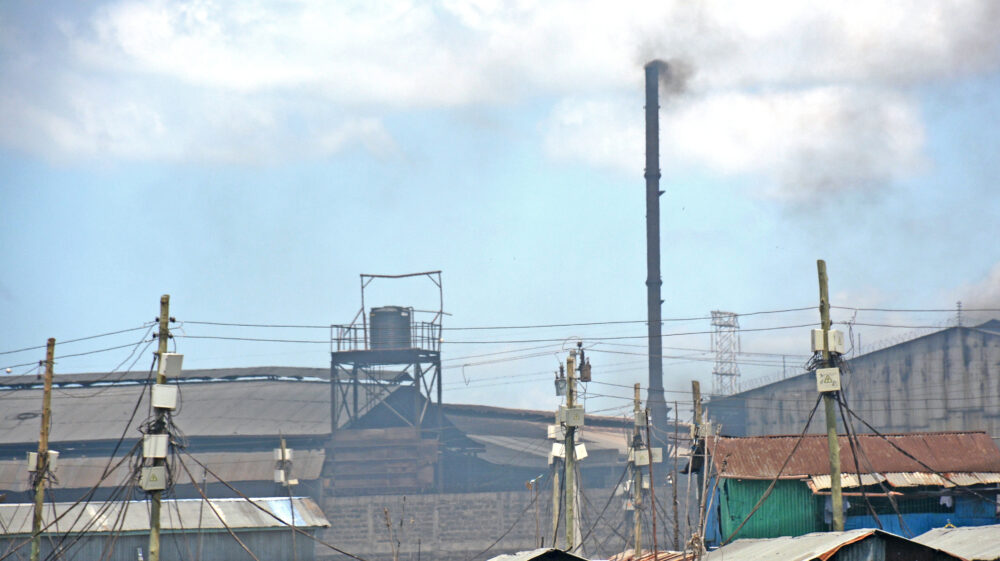
Perspective / In Mukuru, Kenya, people and policy-makers came together on stage to build understanding and generate solutions to air pollution in their local area.
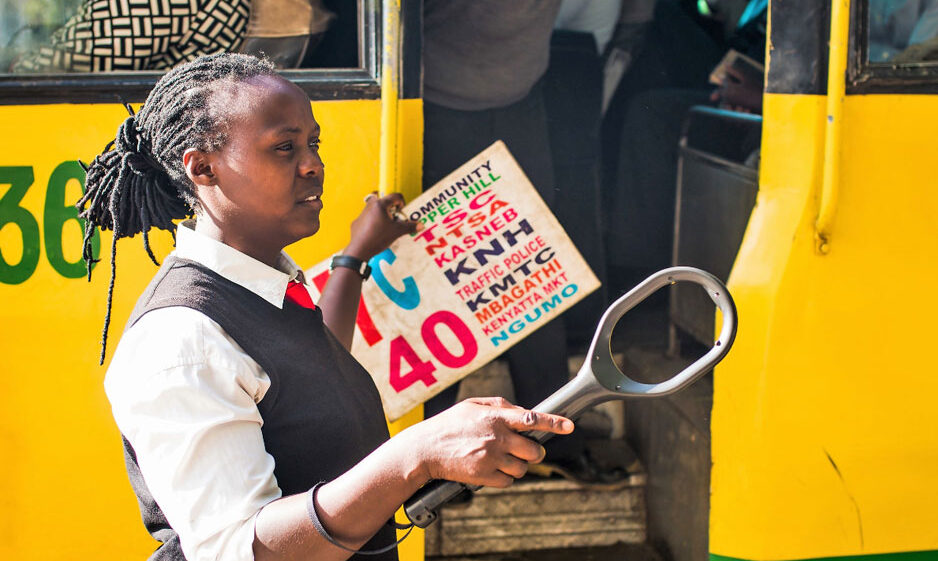
Project / This project explored linkages between sustainable urban planning, public transport, mobility, and gender in East Africa.
Feature / Kenyan government showed interest in the LEAP-IBC energy planning tool at a seminar in Nairobi.
Feature / Short-lived climate pollutants (SLCPs) can have a big impact on climate change. SEI’s new LEAP-IBC tool shows that cutting emissions also has health benefits.
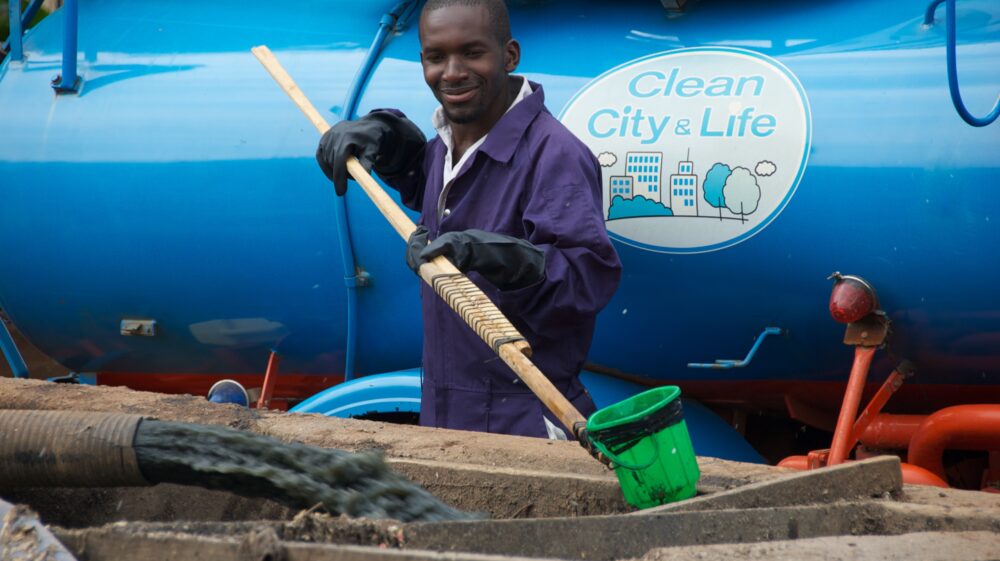
Perspective / Resource recovery from sanitation and waste management can be a lucrative business. You can get it up and running in your city with support of the REVAMP tool.