Photo: chuttersnap / Unsplash
More than 65% of the world's population are projected to live in urban areas by 2050, with major implications resource use, energy, water and sanitation, and health and well-being. At the same time urbanization can bring benefits, especially efficiency gains. SEI examines these challenges in the round to advance sustainable urbanization.
639 results / 8 of 71 pages
Past event / The FOCI webinar offers an overview of SLCFs, their sources, trends, mitigation, and benefits for climate and air quality.
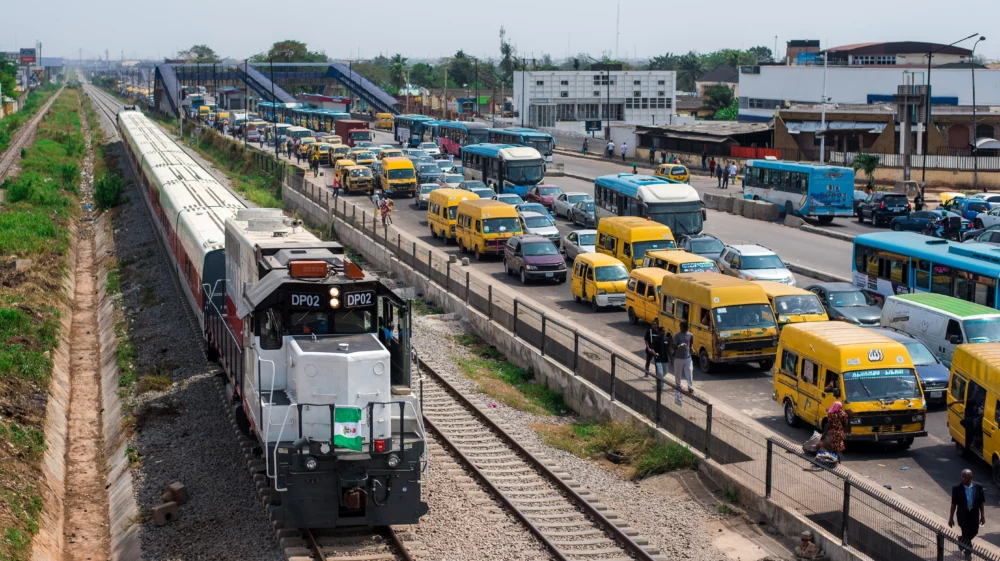
Project / The project boosts public–private collaboration to deliver inclusive climate and clean air transport initiatives in Nigeria.
Feature / Discover how SEI’s science-based strategies are turning research into real-world solutions for cleaner air and sustainable development.
SEI brief / This policy brief provides guidance intended to help Indonesia secure adequate funding to underpin sustainable and inclusive low-carbon transportation options.
Journal article / This article reveals the health burden and racial-ethnic disparities of air pollution from the oil and gas lifecycle stages in the United States.
Perspective / Estonian cities are starting to adapt to climate change – the summer heatwaves make it increasingly dangerous not to.
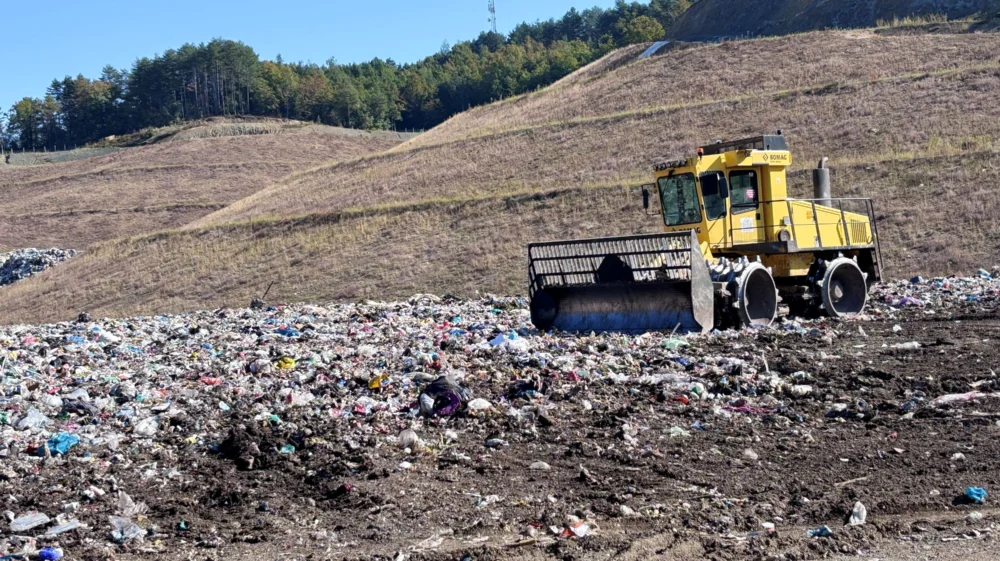
SEI report / This scoping review resulted in recommendations for policymakers to advance EPR and other complementary measures to prevent further growth of plastic pollution.
Journal article / This paper analyses PM2.5 and PM10 levels in Dar es Salaam using data from the city's first real-time low-cost air quality sensor network.
Feature / Urban Labor-a-tree, a new game, helps people to imagine urban trees by creating an inclusive city treescape.