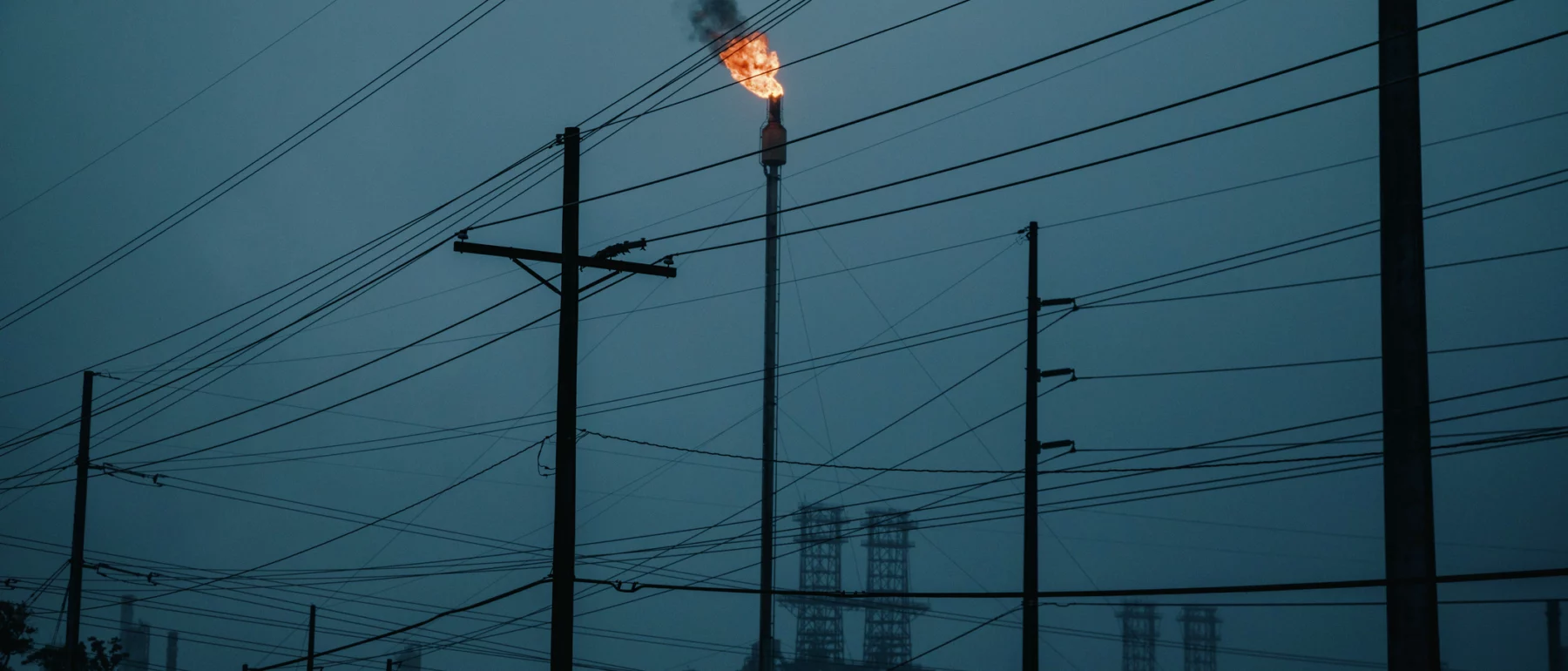
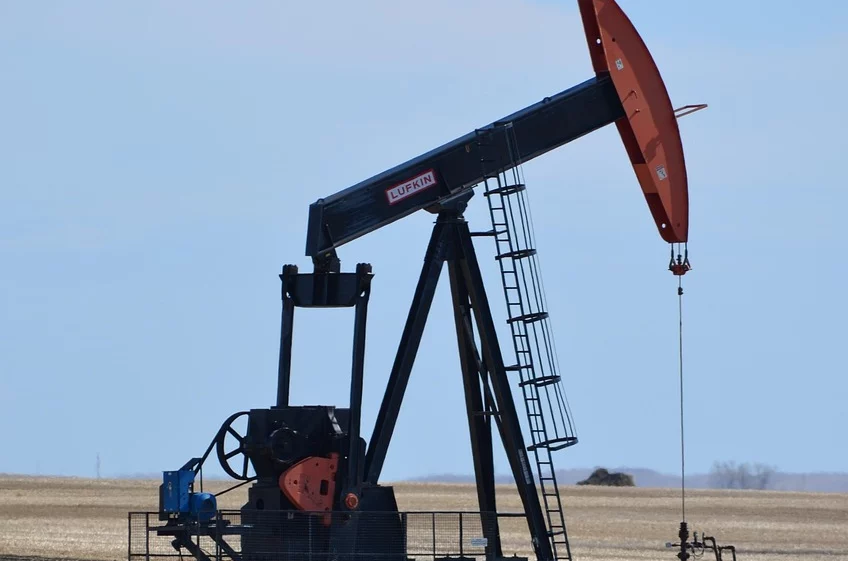
Air pollution caused by the oil and gas industry leads to 91 000 premature deaths in the US annually. In this study published in Science Advances, researchers quantified the health impacts of the oil and gas production lifecycle across demographic and geographic lines.
While the US is the world’s largest oil and natural gas producer, the health impacts of the industry on its residents have not been widely studied.
This is the first study of its kind to comprehensively quantify these health impacts over every stage of the US oil and gas lifecycle. Here, researchers found that Asian, Black, Hispanic and Native American populations bear the brunt of climate-related burdens throughout the entire cycle. Within the four primary stages of the oil and gas lifecycle, those causing the most health impacts are the downstream and end-use stages: modifying extracted material and final consumption. Looking at per capita effects, residents in New Jersey, the District of Columbia, New York, California and Maryland are subject to the greatest health impacts. Texas and California bear the greatest burden for almost all health hazards resulting from every oil and gas lifecycle stage.
The team suggests the following policy angles to limit the impacts of oil and gas pollution:
Researchers from SEI, University College London, George Washington University and University of Colorado Boulder conducted the analysis.
Media coverage / The Guardian and other major outlets cover new findings on the health effects of the US oil and gas sector, co-authored by a former SEI expert.
Perspective / As we decarbonize our energy system, we must also address the harmful public health and environmental impacts of oil and gas extraction.
Past event / SEI joins global leaders in Santa Marta, Colombia, for the first international conference dedicated to transitioning away from fossil fuels.
Press release / Tathmini ya mwisho ya mwaka 2023 ilionyesha pengo la uzalishaji wa mafuta ya kisukuku kuwa asilimia 110 zaidi ya ratiba ya 1.5°C, na asilimia 69 zaidi ya ratiba