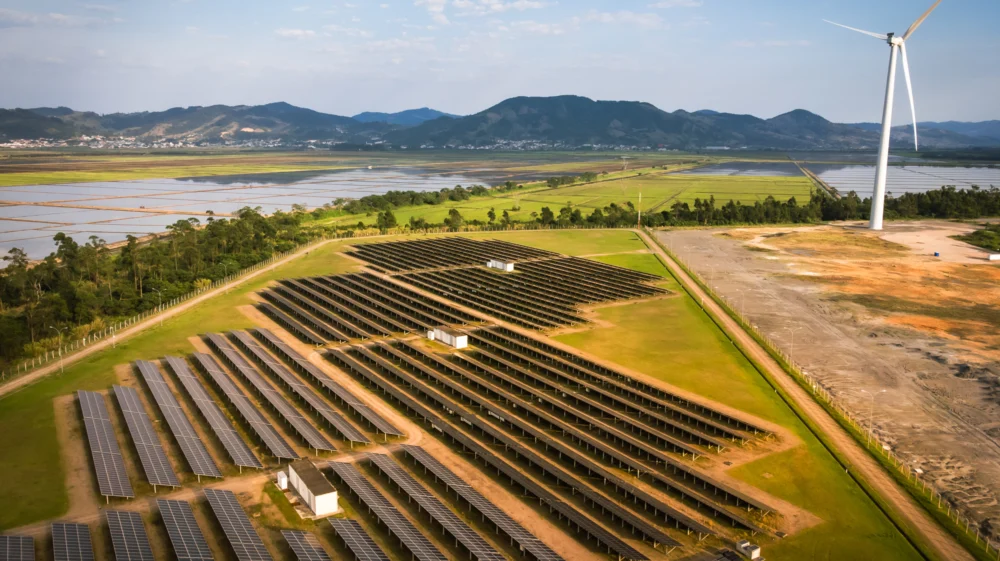
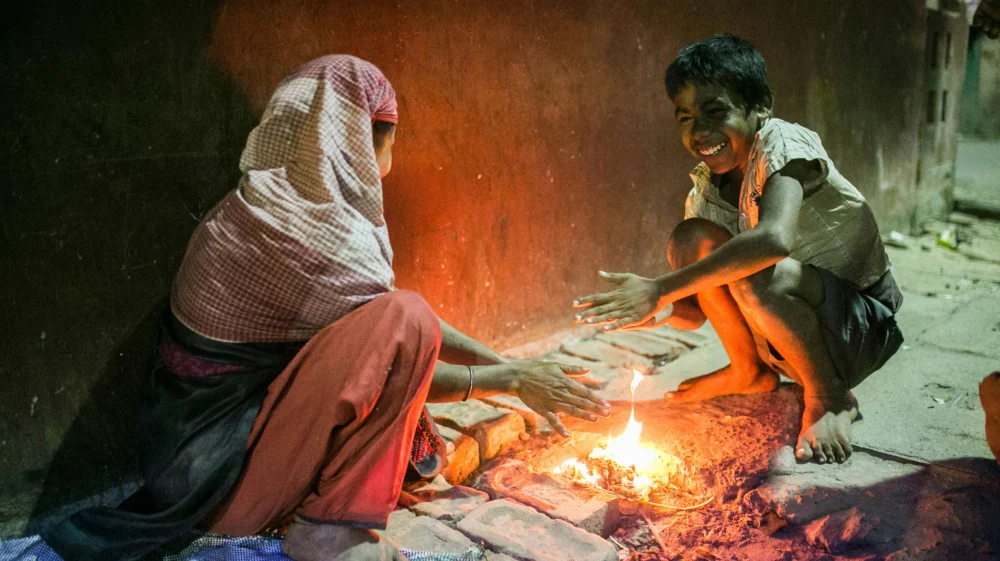
As the world observes the International Day of Clean Air for blue skies in 2025, SEI emphasizes five strategies showing how science, policy and partnerships can achieve cleaner air. This progress benefits health, education, food security and climate resilience.
Graphic: UNEP.
Every breath we take carries invisible risks. Air pollution remains one of the world’s deadliest environmental threats, causing over 7 million premature deaths each year and impacting the most vulnerable communities.
This year’s Clean Air Day theme, “Racing for air: every breath matters,” is a reminder that we cannot take progress for granted. Clean air is not only vital for our health but also essential for achieving Sustainable Development Goals (SDGs) on climate action, education and sustainable cities.
At SEI, we work at the intersection of science and policy to speed up clean air action. Our research and tools help governments, schools, businesses, and communities make informed, evidence-based decisions that reduce pollution and deliver tangible benefits.
“We are learning what works and then scaling it to make a significant difference,” says Johan C.I. Kuylenstierna, SEI Air Quality Research Lead. “Whether it is enhancing the capacity of people in governments to plan their action, engaging with the private sector, or empowering citizens and schools, real change starts with targeted, coordinated action built on scientific insights.”
Ahead of the 2025 International Day of Clean Air for blue skies, here are five practical strategies – grounded in SEI’s tools, research, and collaborations – that demonstrate how clean air progress can scale from homes and classrooms to cities and national policies.
Indoor air pollution is often overlooked, yet it has a huge impact on health. Through initiatives like INGENIOUS, SEI works with communities to understand how everyday household activities shape air quality. In the UK, the SAMHE project helps schools and students track and improve classroom air, connecting education, science and health.
Journal article / SAMHE data shows that particulate matter levels in UK schools are heavily influenced by outdoor air quality.
Journal article / INGENIOUS project researchers studied indoor air quality in 300+ Bradford homes, linking pollutants to cooking and ventilation practices.
Countries at all income levels show that addressing local air pollution also advances global climate goals. SEI supports regional frameworks, such as the Malé Declaration, enabling South Asian nations to cooperate on transboundary pollution. SEI also works with parliamentarians to bring science into policymaking.
Through efforts in Kenya, Pakistan, and across South Asia, SEI demonstrates how strong local governance can reinforce – and accelerate – global climate action.
Other publication / This assessment shows 15 measures could clean air for 250 million people and reduce PM2.5 by 50-70% in Southeast Asia by 2030.
Media coverage / SEI Asia's Diane Archer shares insights with HaRDstories about the Clean Air Bill in Thailand.
SEI’s integrated planning aligns air quality and climate goals by targeting shared emission sources. This approach helps policymakers design solutions that maximize co-benefits – improving the cost-effectiveness and political appeal while avoiding conflicts between climate and air quality agendas. By supporting over 15 countries in Africa and Latin America with short-lived climate pollutant (SLCP) plans, SEI collaborates with partner countries to integrate clean air directly into their development agendas.
Research in Thailand and ASEAN shows that measuring co-benefits makes mitigation strategies more practical and persuasive. Transparent methodologies also ensure that policies are credible, compelling and effective. In Mongolia, the government prioritised clean air to reduce health costs and pollution-related diseases. With nearly half of 3.2 million people in Ulaanbaatar, where pollution exceeds WHO guidelines by six times, it is committed to cutting emissions by 22.7%. These actions could reduce key pollutants by approximately 10%, with a focus on phasing out coal for heating.
Feature / At CCAC 2025, SEI's workshop advanced SLCP integration into NDCs, offering countries strategies, tools and support for climate action ahead of COP30.
Feature / Over the past 15 years SEI has successfully put methane on the agenda of many country governments.
Perspective / Jenniffer Pedraza explores how clean air pledges must be backed by action, collaboration and investment to deliver real health and equity gains.
In many parts of Africa, air pollution accelerates land degradation and reduces crop productivity, threatening food security. Through the Africa Clean Air Program (ACAP), SEI works with governments and regional bodies to develop roadmaps that protect ecosystems, improve agriculture and strengthen resilience.
Feature / SEI in partnership with the UNEP regional office for Africa held a science policy dialogue on the sidelines of AMCEN-20.
Journal article / Analysis shows that Colombia's SLCP targets are well within reach thanks to careful planning and capacity building.
Feature / SEI’s project transformed a transit hub in Indonesia through community design, offering a replicable model for inclusive urban renewal.
Businesses are a part of the problem but also part of the solution. SEI’s work with the World Economic Forum’s Alliance for Clean Air has produced a Practical Guide for Business Air Pollutant Emission Assessment, helping companies measure and cut emissions – a critical step for both clean air and decarbonization.
Journal article / This article reveals the health burden and racial-ethnic disparities of air pollution from the oil and gas lifecycle stages in the United States.
Project / The project incorporates SLCPs and other air pollutants into the GLEC Framework on emissions tracking for businesses.
Other publication / The 2025 Integrated Guide for Business GHG and Air Pollutant Emission Assessment updates the 2022 Practical Guide for Business.
The evidence is clear: clean air improves health, climate, education and equity. SEI’s research and tools show that a future with cleaner air is achievable. By scaling up proven solutions and integrating them into policy, governments and communities can deliver the benefits of clean air to everyone.
Discover more about the International Day of Clean Air for Blue Skies 2025 and participate in the race for clean air solutions.
Project / A project to assess levels of knowledge and people's understandings of air pollution and see whether this changes over time.
Project / SEI works with research institutes to assess the impact of pollutants, besides CO₂, that drive climate change, and to develop climate change mitigation options.
Tool / The Low Emissions Analysis Platform (LEAP) is a powerful, versatile system for energy planning and climate change mitigation assessment.
These tools facilitate emissions analyses, support the development of integrated measures to simultaneously achieve climate and development goals.
Media coverage / SEI researcher Ananya Choudhury discusses the implications of energy poverty and justice in her op-ed for The National Interest.