Editor’s choice
Editor’s choice
Photo: chuttersnap / Unsplash
More than 65% of the world's population are projected to live in urban areas by 2050, with major implications resource use, energy, water and sanitation, and health and well-being. At the same time urbanization can bring benefits, especially efficiency gains. SEI examines these challenges in the round to advance sustainable urbanization.
619 results / 10 of 69 pages
Project / The project focuses on transforming public procurement by integrating climate protection, circular economy and chemical reduction principles.
Project / This project aims to develop circularity approaches that fit into the municipalities' framework for circular economy development.
Feature / SEI researchers explore how Bangkok’s pocket parks impact urban health, wellbeing, and social life, offering insights for greener, more livable cities.
SEI report / A research project investigated drivers of infectious disease in a developing city context, with a survey, workshops and stakeholder engagement for solutions.
Feature / The Branching Out project connected researchers, policymakers and communities to integrate the social and cultural value of UK city treescapes into planning.
Journal article / This study explores designing citizen observatories in rural Sri Lanka, focusing on collective practices to align with local environmental priorities.
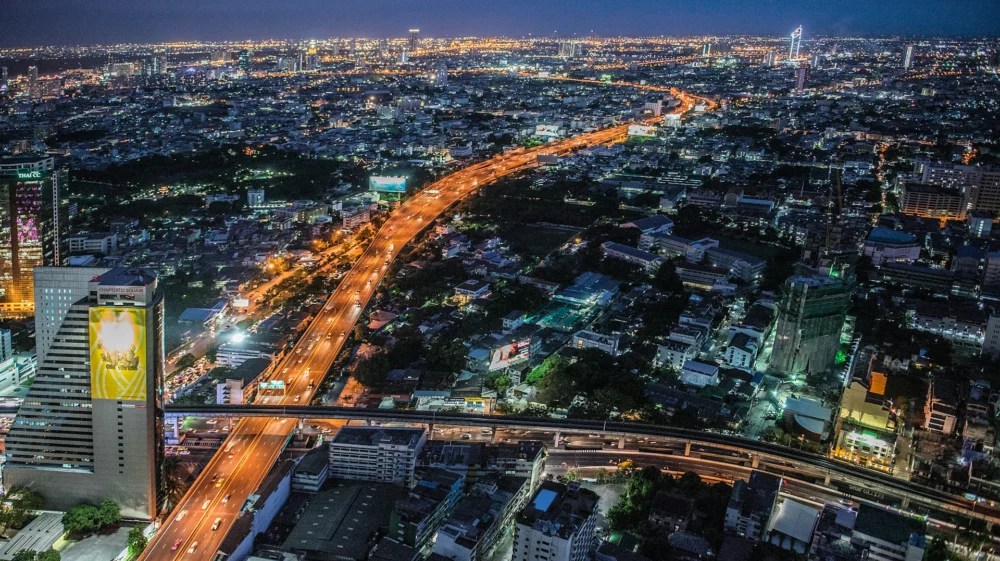
Perspective / This article explores the impact of excessive artificial lighting, global solutions, and sustainable lighting practices in Bangkok.
Journal article / This study aims to explore how local residents and outdoor workers in central Bangkok experience air pollution in their daily life.
Project / CHILI aims to ensure that we support and improve children’s health and education as school and nursery buildings are adapted for energy efficiency.