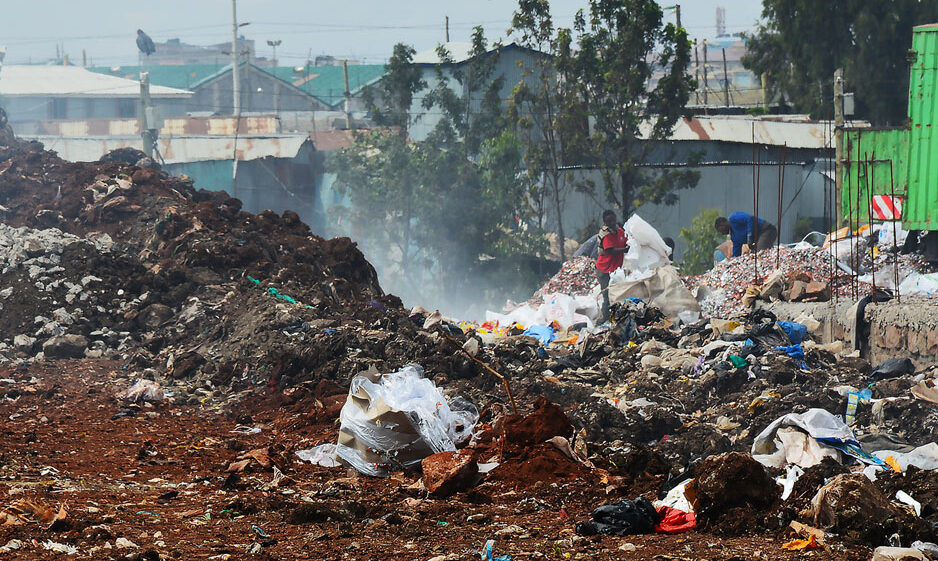
Photo: chuttersnap / Unsplash
More than 65% of the world's population are projected to live in urban areas by 2050, with major implications resource use, energy, water and sanitation, and health and well-being. At the same time urbanization can bring benefits, especially efficiency gains. SEI examines these challenges in the round to advance sustainable urbanization.
631 results / 51 of 71 pages
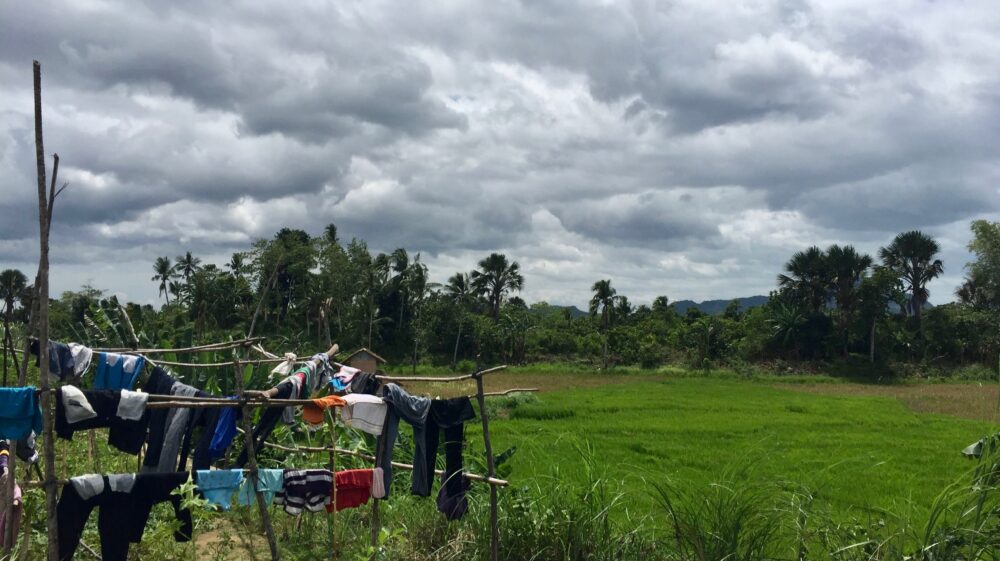
Feature / Resettlement planning after the devastating Typhoon Haiyan in the Philippines has led to displacement of farmers that had been living on land for generations.
Feature / Non-traditional urban planning tools – think art and poetry – underpin new ways of co-designing city infrastructure to address health and mobility issues.
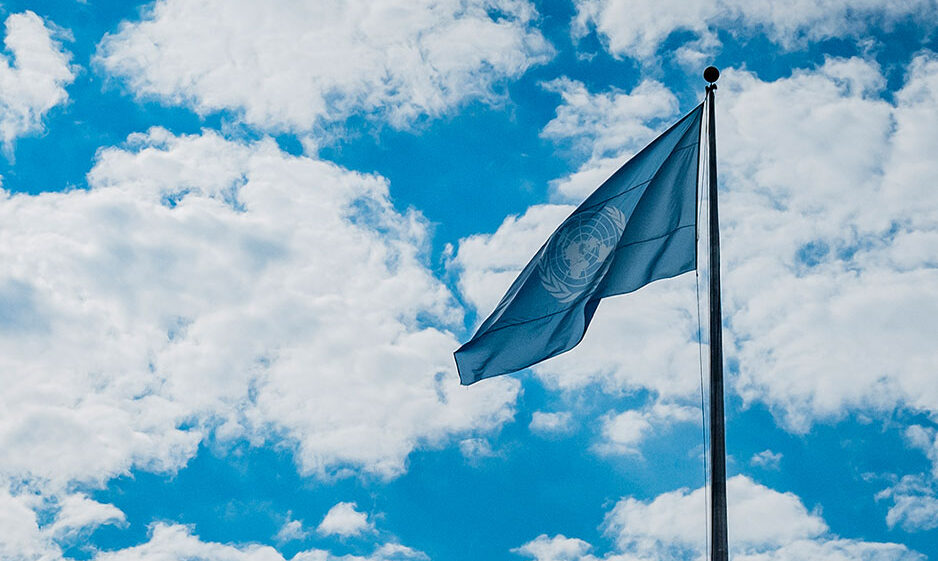
Feature / Leaders at the UN Climate Action Summit: get evidence-based insights and solutions that can be applied across the summit's action tracks.
Feature / Udon Thani in Northern Thailand is a rapidly developing small city that is planning ahead to ensure its growth is green and sustainable.
Journal article / This pilot study shows that undertaking purposeful activity in public green space has the potential to promote health and prevent mental ill health.
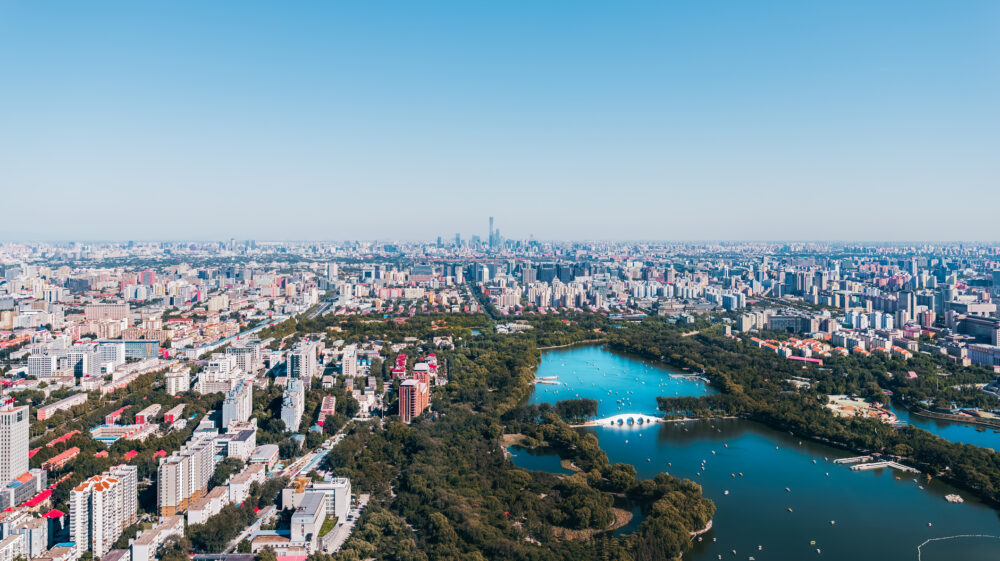
Journal article / Read a quantitative assessment of the water-energy nexus in Beijing, within and beyond its geographic boundaries.
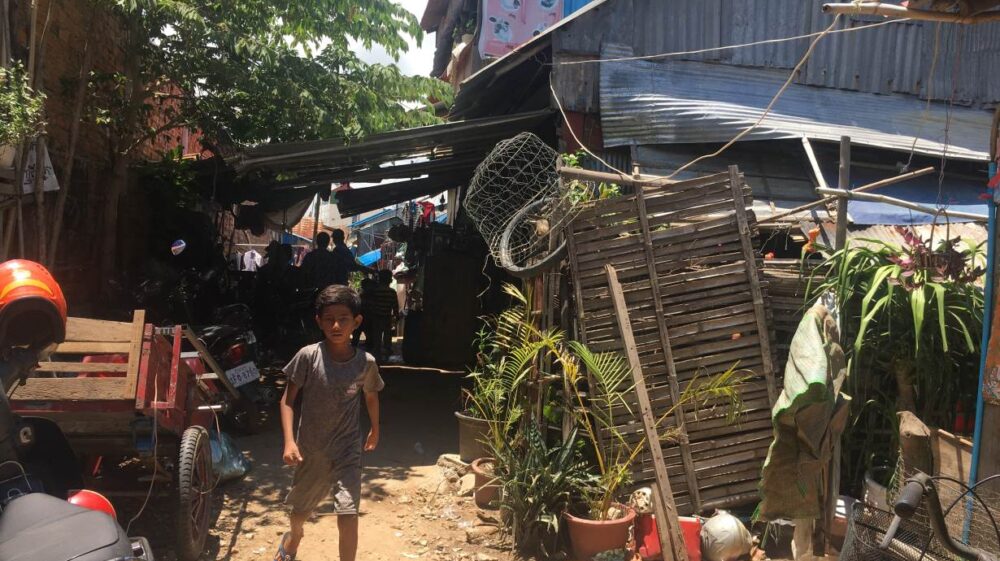
Media coverage / The reclamation of the lakes and water bodies for development in the Cambodian capital Phnom Penh is increasing the vulnerability of the city's poor.

Journal article / Comparison of two initiatives in Bolivia and South Africa offers insights for introducing off-grid “productive” sanitation systems in peri-urban areas.
Feature / SEI is helping develop legislation on air quality in Nairobi to improve the lives of the city’s most vulnerable people.