Photo: chuttersnap / Unsplash
More than 65% of the world's population are projected to live in urban areas by 2050, with major implications resource use, energy, water and sanitation, and health and well-being. At the same time urbanization can bring benefits, especially efficiency gains. SEI examines these challenges in the round to advance sustainable urbanization.
631 results / 52 of 71 pages
Journal article / Investigating changes in the conditions producing PM2.5 concentrations exceeding 25 μgm−3, and how long- and short-term metrics could be reduced further
Feature / SEI’s work with partners in the Namibian capital underpins the development of the city’s first integrated climate change strategy and action plan.
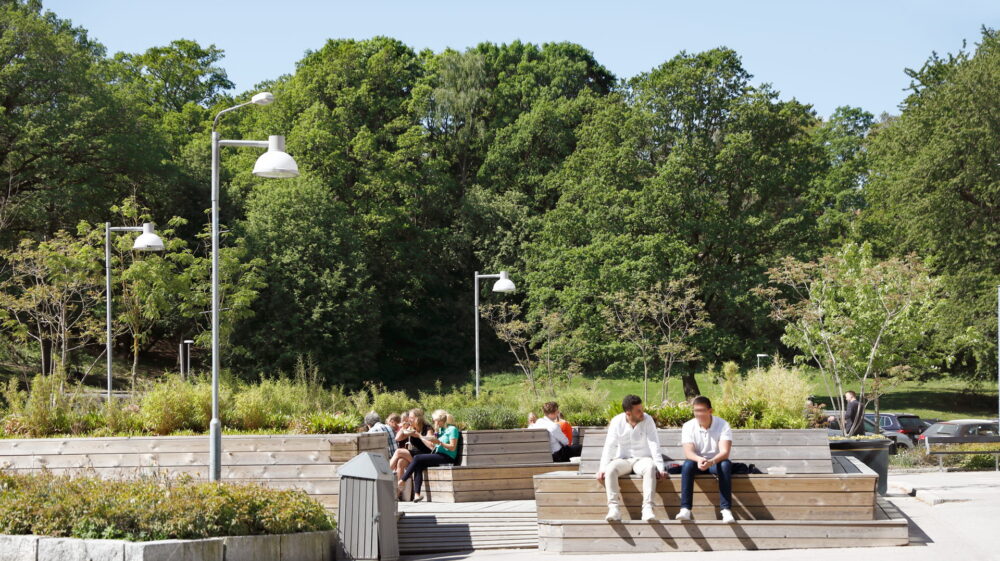
Feature / SEI and property developer Fabege invited experts to a workshop to discuss how the property sector can contribute to sustainable cities.
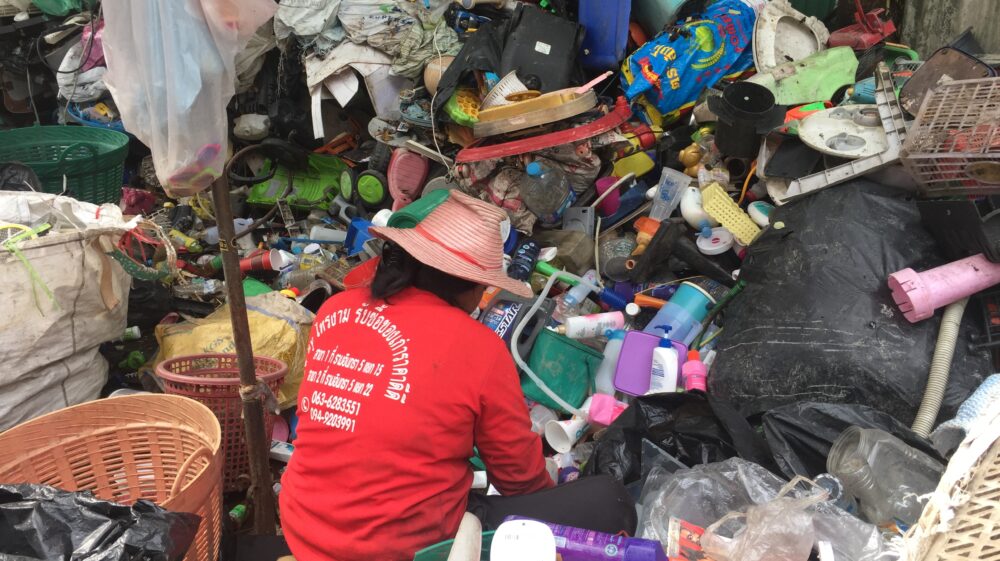
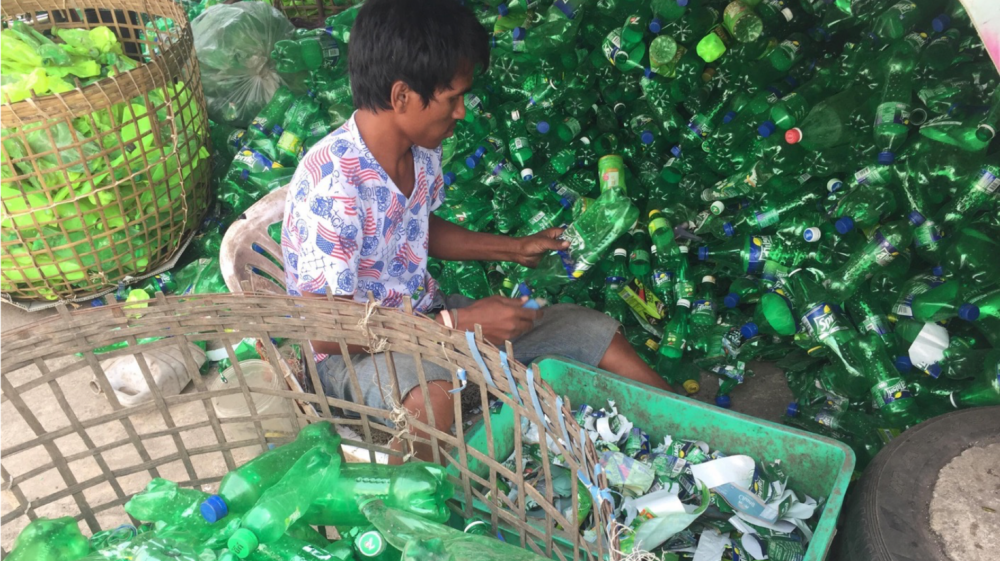
Media coverage / SEI Asia's Diane Archer calls for integrating informal waste workers into formal waste management systems as a key to addressing plastic pollution in Asia.
Project / Developing technical and non-technical solutions to industrial pollution problems in sub-Saharan Africa and South Asia.
Other publication / This guide and two case study reports is an output of the Closing the Loop initiative that targets sustainable consumption and waste management in Asia-Pacific.

Perspective / What does a healthy and liveable city look like? This initiative is working with residents of the Northern Thailand city of Udon Thani to find out.
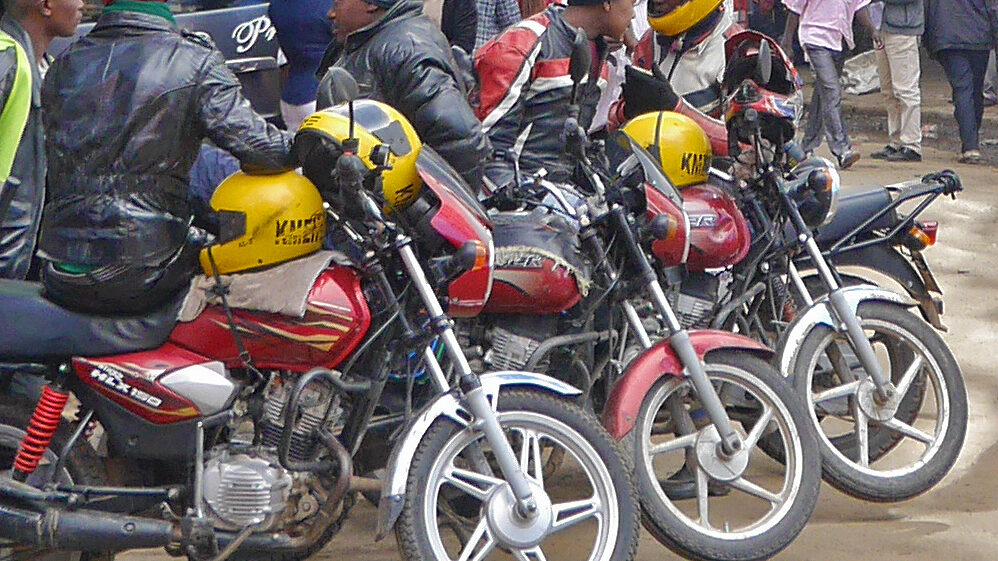
Journal article / This methodology estimates fuel economy in African cities, supporting policies to reduce emissions and improve air quality.
Project / The main objective of the project was to develop two new island destinations in Helsinki and Tallinn, into sustainable and smart tourist destination areas.