Photo: chuttersnap / Unsplash
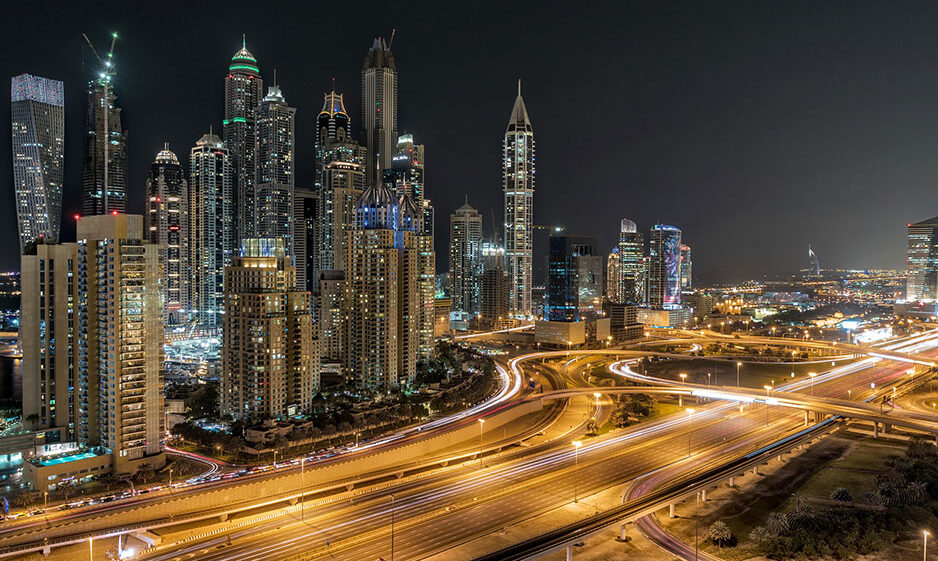
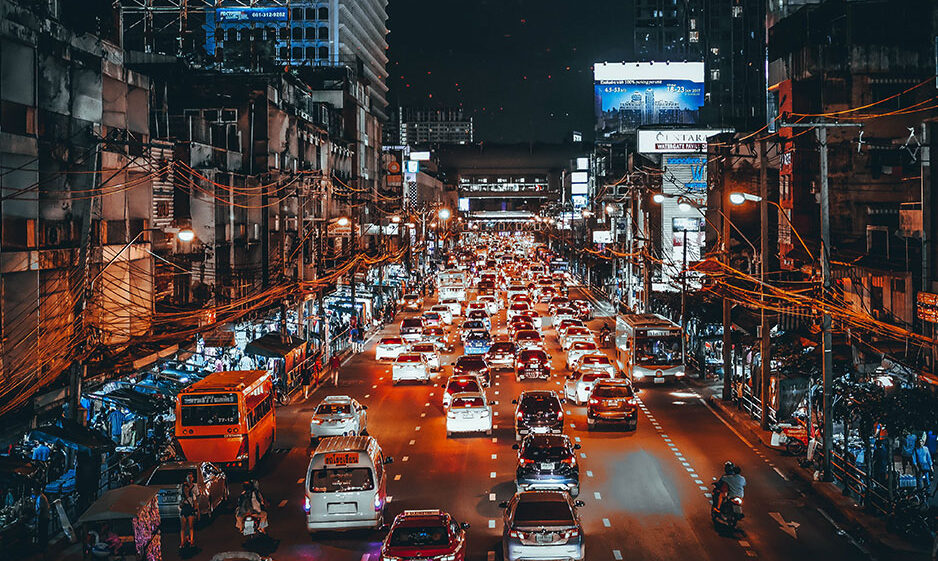
More than 65% of the world's population are projected to live in urban areas by 2050, with major implications resource use, energy, water and sanitation, and health and well-being. At the same time urbanization can bring benefits, especially efficiency gains. SEI examines these challenges in the round to advance sustainable urbanization.
631 results / 57 of 71 pages
Other publication / This report provides a first-ever assessment of how opportunities for low-carbon development are distributed across the world’s urban areas.
Perspective / As Vietnam's growth accelerates, "Source to Sea" planning may increasingly become compatible with its future development.
Initiative / This initiative investigates how rapidly growing cities affect residents' wellbeing and how this interacts with the overall health of city systems.
Feature / Amid unprecedented urban growth across Asia, our new report on building thriving low-carbon cities was launched for national governments on the 3rd of February.
Press release / A new report from the Coalition for Urban Transitions – and authored by SEI – could help national governments transform the way cities work.
Project / Urban waste into circular economy benefits (UrbanCircle) is developing a way to integrate waste management and resource recovery into a circular economy.
SEI brief / Factsheet describing the LEAP-IBC tool and its application for assessing impact of air quality, climate change and energy policy scenarios
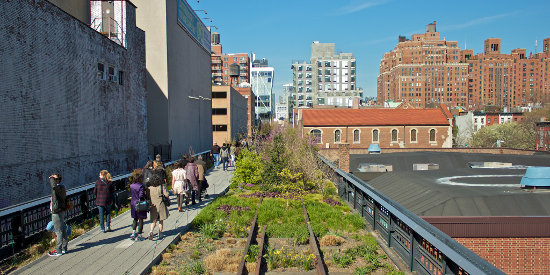
Feature / Bringing nature back to cities and workplaces - with Steve Cinderby, who has studied the positive connection between green spaces and well-being
Project / Implementing Creative Methodological Innovations for Inclusive Sustainable Transport Planning (i-CMiiST) explored creative co-design methods for safer streets.