Photo: chuttersnap / Unsplash
More than 65% of the world's population are projected to live in urban areas by 2050, with major implications resource use, energy, water and sanitation, and health and well-being. At the same time urbanization can bring benefits, especially efficiency gains. SEI examines these challenges in the round to advance sustainable urbanization.
631 results / 58 of 71 pages
Journal article / This paper examines how urban action on economic development impacts global greenhouse gas emissions.
Perspective / Will introducing green roofs, green walls, rain gardens and planting trees improve our cities?
Press release / New research links long-term exposure to ozone air pollution with one million premature deaths per year due to respiratory diseases.
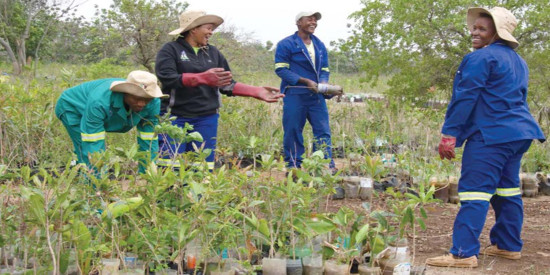
Feature / New SEI work highlights adaptation projects that illustrate how Africa's urban areas can adapt to climate change and work toward achieving the SDGs.
Journal article / This article presents findings from a two-year study looking at co-benefits derived from urban green infrastructure investment.
SEI working paper / This working paper analyses 12 decision-making methods in the context of climate change adaptation in urban regions of Southern Africa.
Feature / As vulnerability to disaster in Asia increases, the SEI Asia centre will boost the contribution of science to tackling risk and meeting international targets.

Feature / Major new study quantifies health and environmental impacts of excess nitrogen oxide emissions from diesel vehicles, caused 38,000 premature deaths 2015.








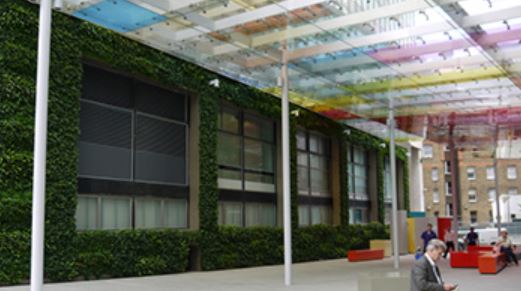

![Green wall at Westfield, London, UK. This plant-clad wall runs along the Southern Terrace. Photo credit: David Hawgood [CC BY-SA 2.0] via Wikimedia Commons](https://www.sei.org/wp-content/uploads/2017/08/sei-2017-publication-3185-wikipediacommons-green-wall-at-westfield---geograph.org-.uk---1376705-550x.jpg?modtime=)