Editor’s choice
Editor’s choice
Photo: chuttersnap / Unsplash
More than 65% of the world's population are projected to live in urban areas by 2050, with major implications resource use, energy, water and sanitation, and health and well-being. At the same time urbanization can bring benefits, especially efficiency gains. SEI examines these challenges in the round to advance sustainable urbanization.
618 results / 8 of 69 pages
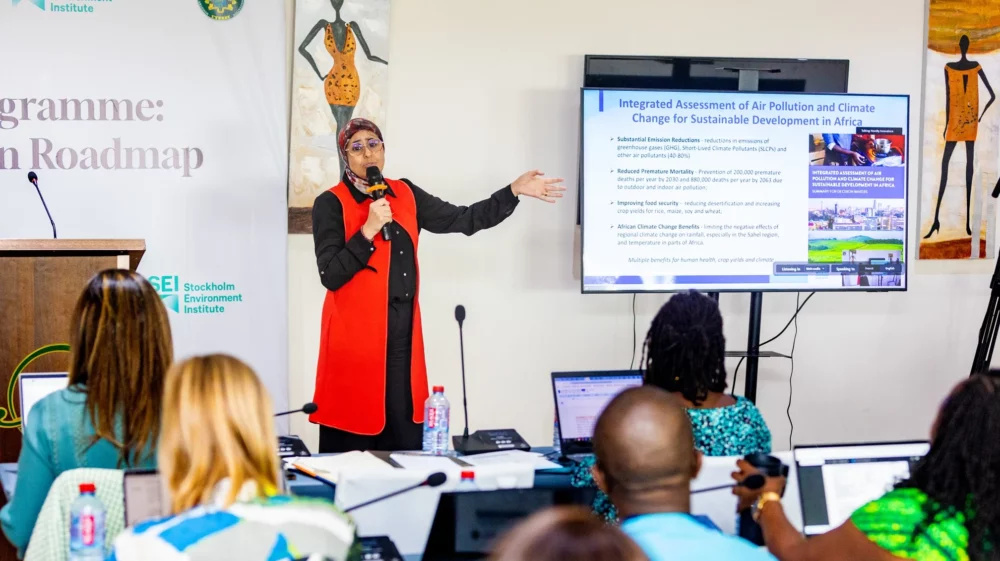
Feature / SEI researchers presented key insights and next steps for the African Clean Air Program (ACAP) Roadmap in Accra, Ghana.
Feature / As part of the BiH SuTra project, a delegation of mayors and municipal staff visited sustainable Sweden.
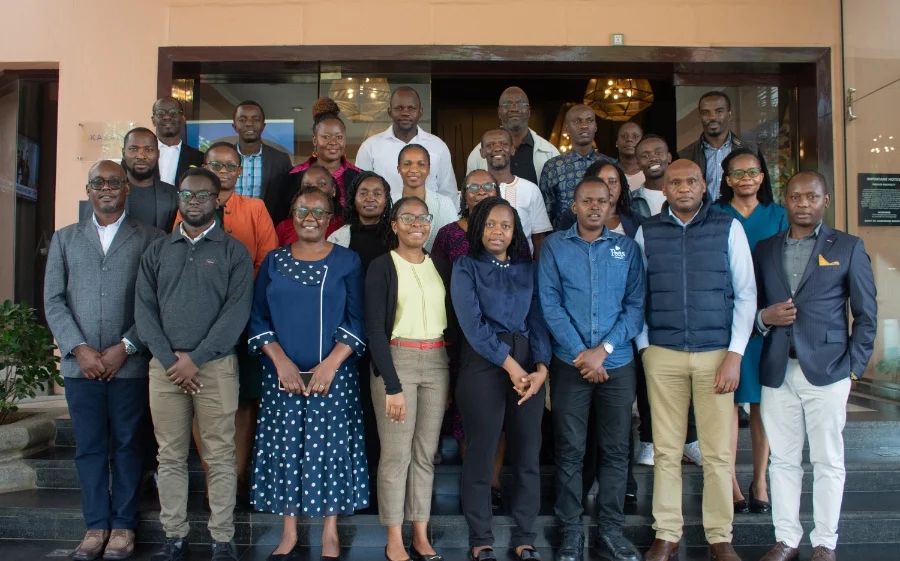
Feature / SEI will contribute to the development of the Nairobi City County Air Quality Action Plan (2025–2029).
Past event / Discover ways to achieve enduring impact from environmental citizen science projects in schools, based on Smriti Safaya's research in Hong Kong and the UK.
Past event / This event will explore digital platforms that could help cities implement nature-based solutions and solve urban adaptation challenges on local level.
SEI brief / Urban and water planning authorities can consider integrating decentralized and off-grid (“gridless”) solutions to improve water services in growing cities.
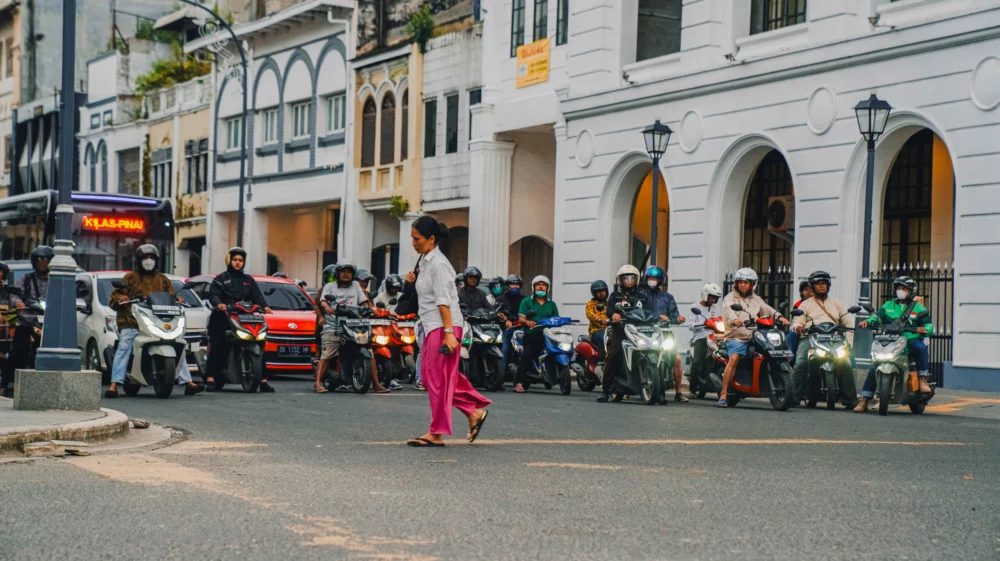
SEI brief / This SEI brief highlights how Indonesia can reduce greenhouse gas emissions and air pollution from road transportation, potentially leading to health benefits.
Past event / Join the launch of SEI's Consumption Compass, analysing climate change impacts from Swedish households – streamed live for public viewing.
Tool / SEI's Consumption Compass is a unique tool, tracking greenhouse gas emissions from households in Sweden for over 100 consumption categories.