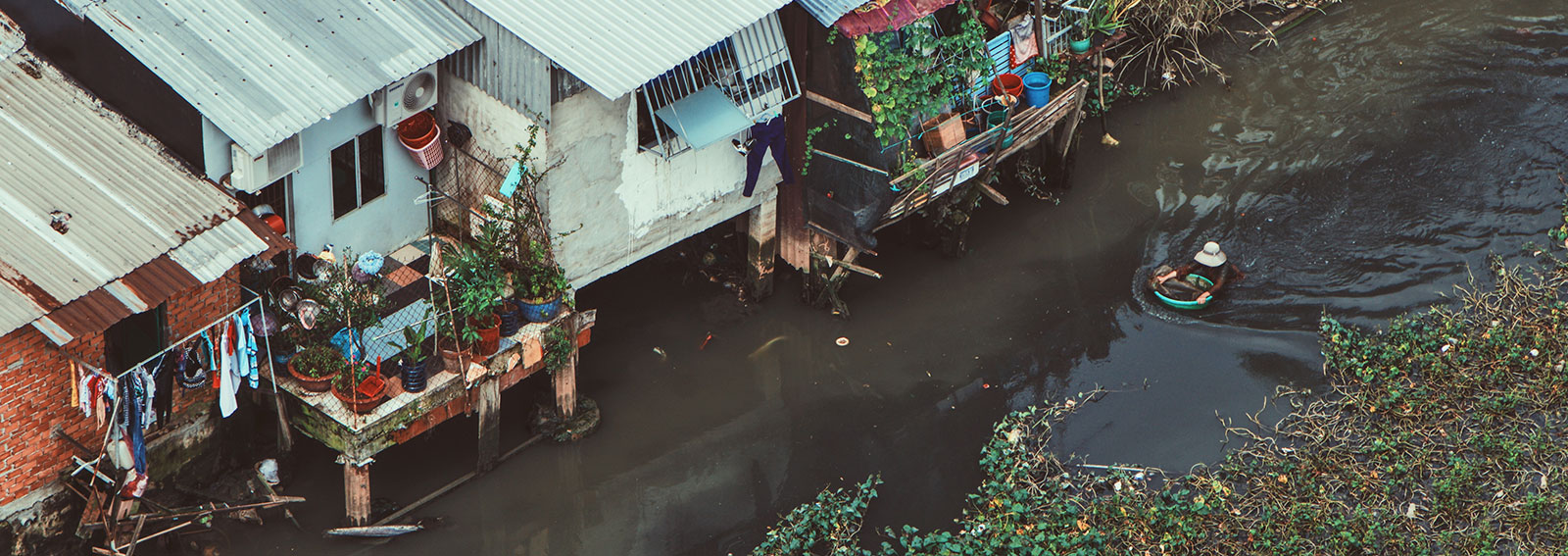
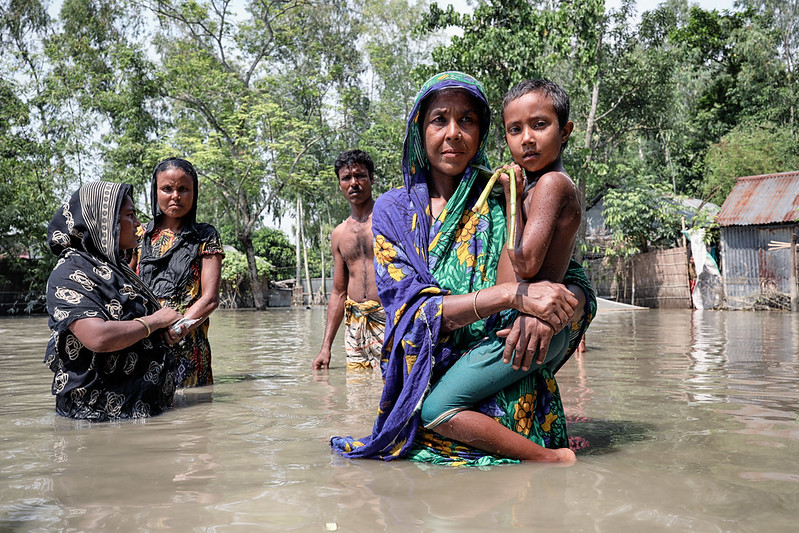
Photo: Tony Lam Hoang / Unsplash
Our research recognises that disaster risk and development are closely linked: it is development processes that largely determine who and what is exposed to risk as well how much, and how effectively they can respond. SEI works to integrate disaster risk reduction with equitable, sustainable and resilient development.
614 results / 42 of 69 pages
Feature / In Bosnia and Herzegovina, as in the rest of Europe and beyond, environmental issues are connected with issues of gender (in)equality and social (in)equality.
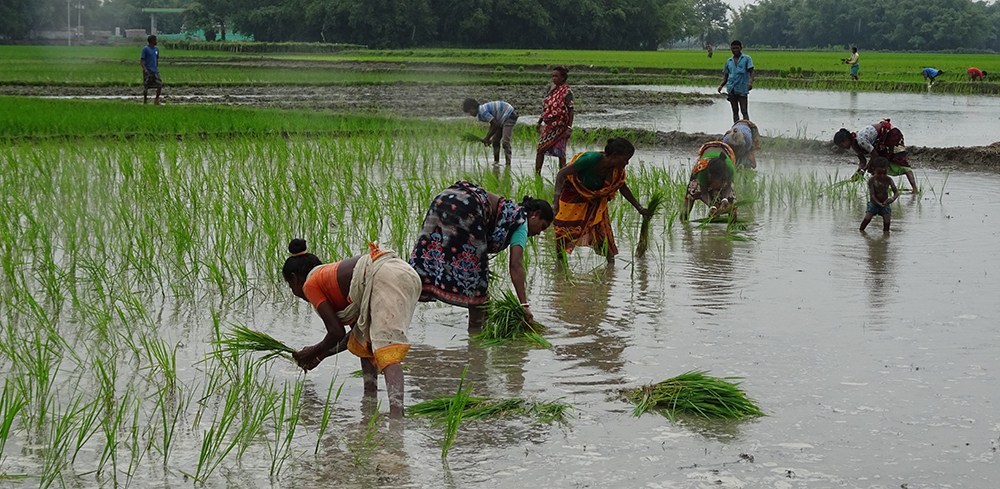
Journal article / Read the two-stage, subjective approach to resilience assessment in Bangladesh using rapid household interviews and participatory qualitative methods.
Feature / The destruction of nature endangers both human and environmental health. Nature-based solutions could prove the “Earth’s best bet for the coming decades.”
Other publication / This report explores how the concept of planetary boundaries can be developed and operationalized to build concrete environmental and sustainability goals.
Perspective / There is great potential for synergies to emerge when gridless technologies for energy and WASH are combined in off-grid settings.
Other publication / This report shows that low-carbon and climate-resilient water and sanitation services are technically feasible and economically viable.
Other publication / This chapter features a conversation with SEI researchers who work to keep gender central in their environment-related studies and policy engagement.
Perspective / On International Women’s Day, researchers challenge themselves on how they can integrate gender equality and inclusive approaches to their work.
Perspective / The EU's Adaptation Strategy recognizes for the first time that adaptation creates winners and losers, and presents a vision for 'just' resilience.