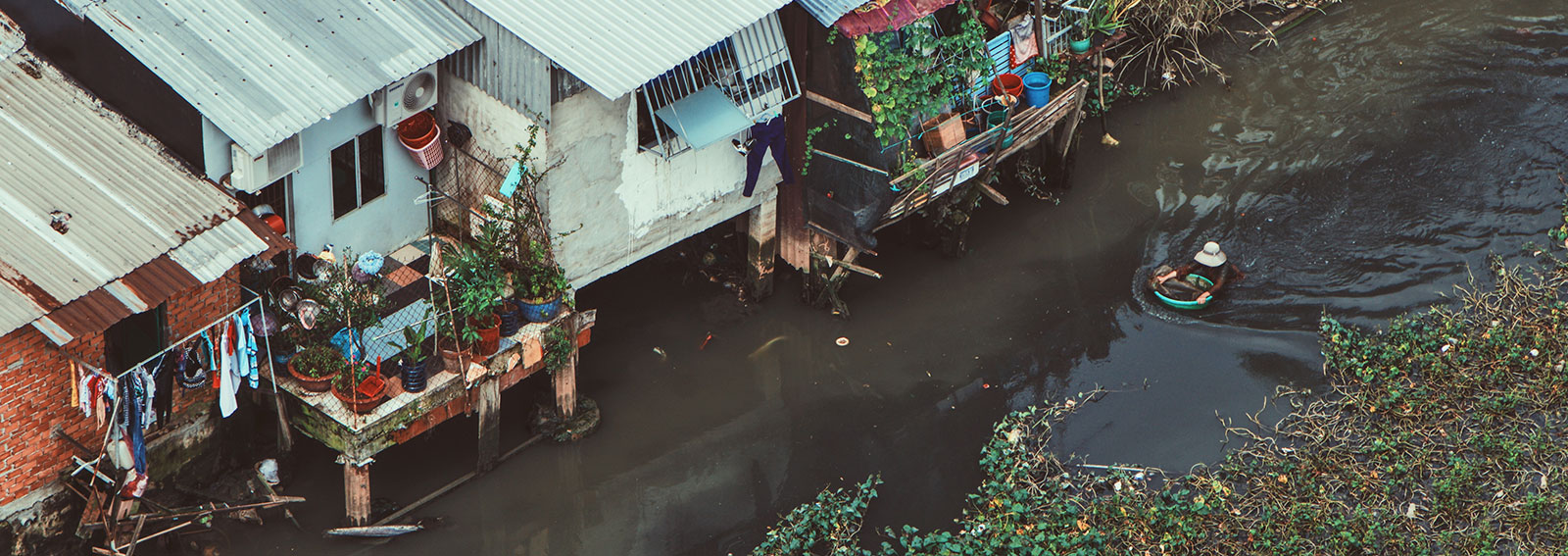
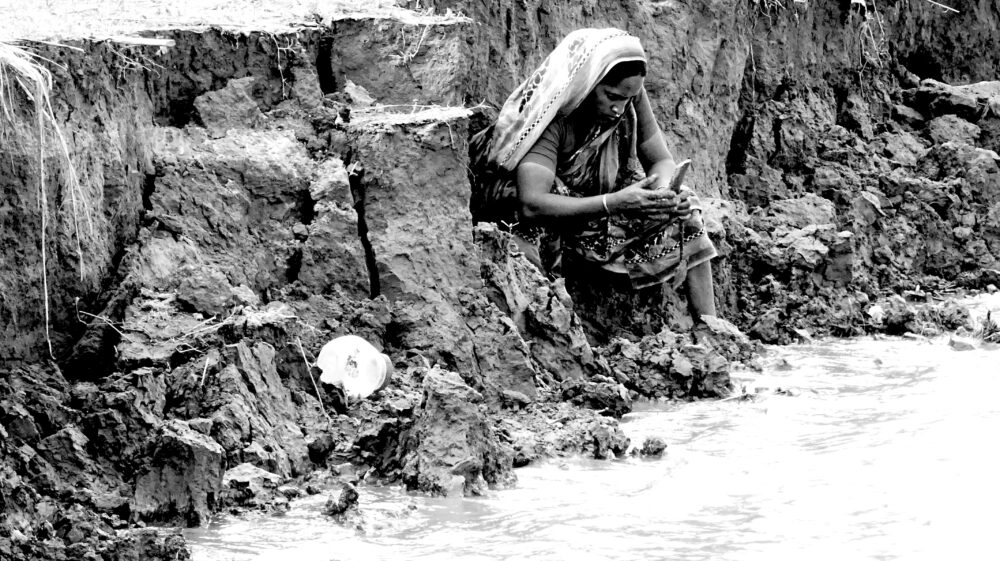
Photo: Tony Lam Hoang / Unsplash
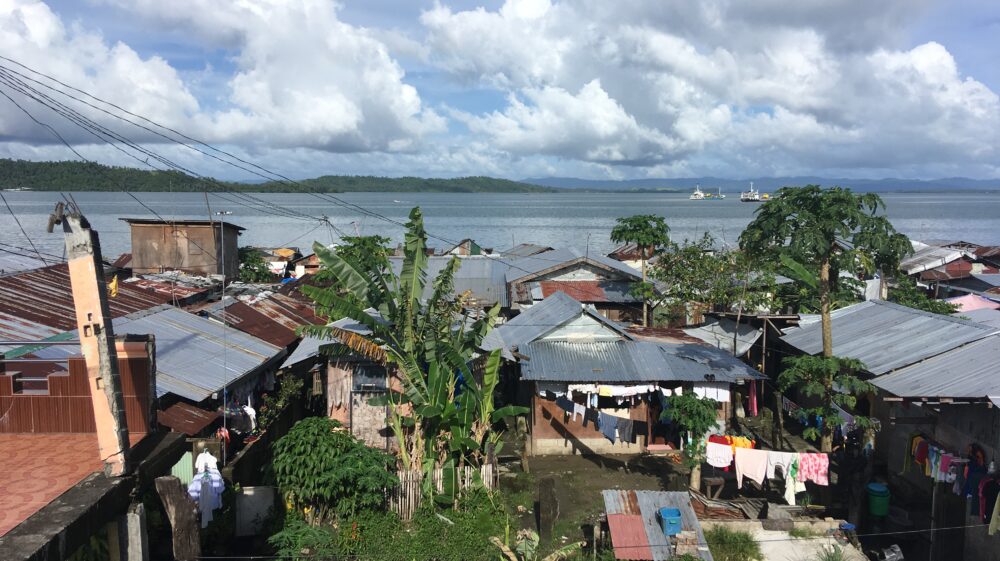
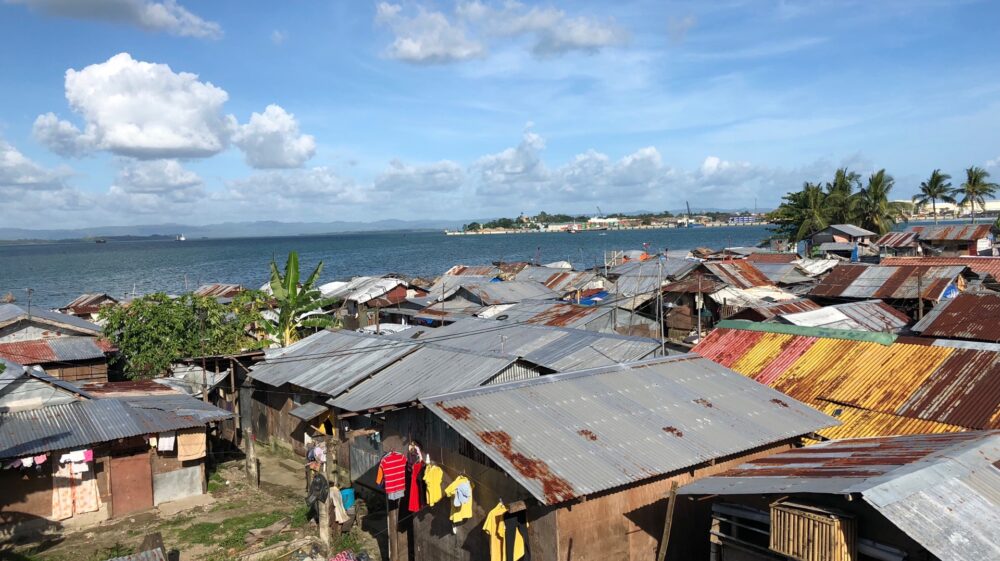
Our research recognises that disaster risk and development are closely linked: it is development processes that largely determine who and what is exposed to risk as well how much, and how effectively they can respond. SEI works to integrate disaster risk reduction with equitable, sustainable and resilient development.
614 results / 54 of 69 pages
Other publication / This report addresses the research gap on climate change vulnerability of young women and girls, with a focus on agricultural communities in Northern Thailand.
Journal article / How can science and technology help reduce disaster risk? This paper provides a roadmap for Asia by describing fourteen actions and six proposals.
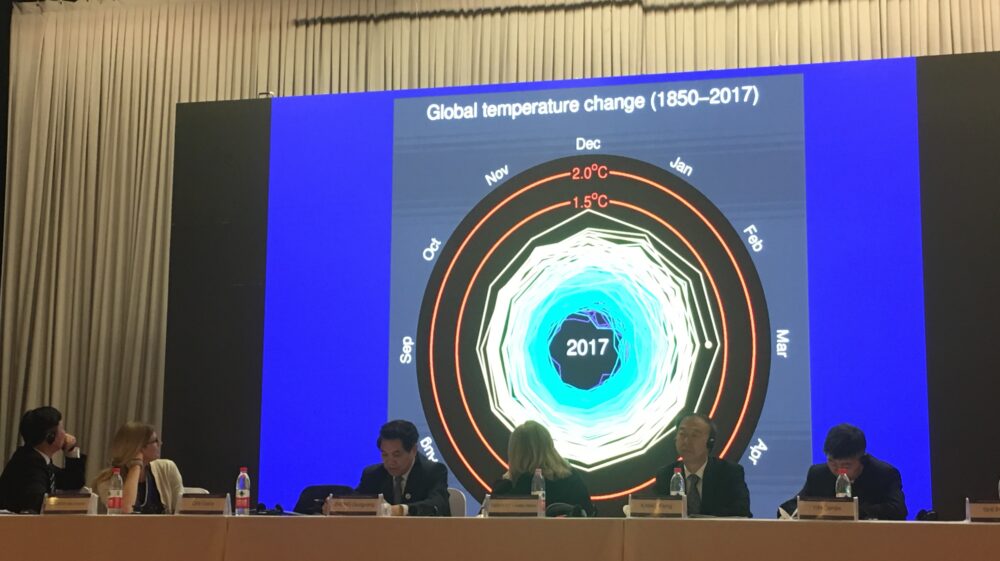
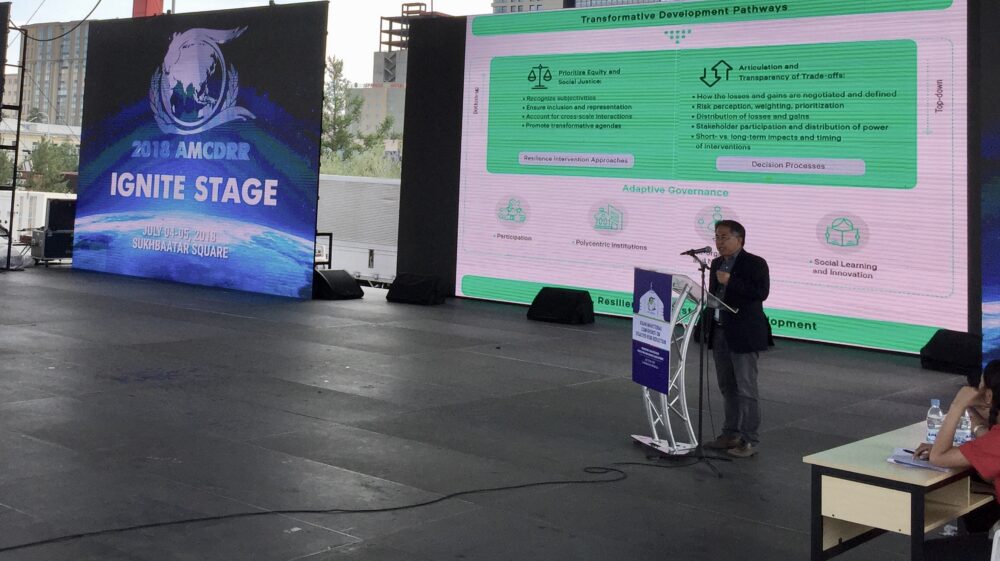
Feature / The Asia Pacific region faces growing challenges for disaster risk reduction. SEI's TDDR Initiative presented its case for DRR transformation at AMCDRR 2018.
SEI brief / This brief looks at the failures of development and disaster risk reduction and calls for a transformation in this relationship through policy changes.
Journal article / This paper presents and tests a conceptual framework for analysing the trade-offs that underpin the relationship between development and disaster risk.
Feature / If decision-making imbalances are ignored, adaptation can perpetuate inequalities. Find out how a new index will identify imbalances and measure success.
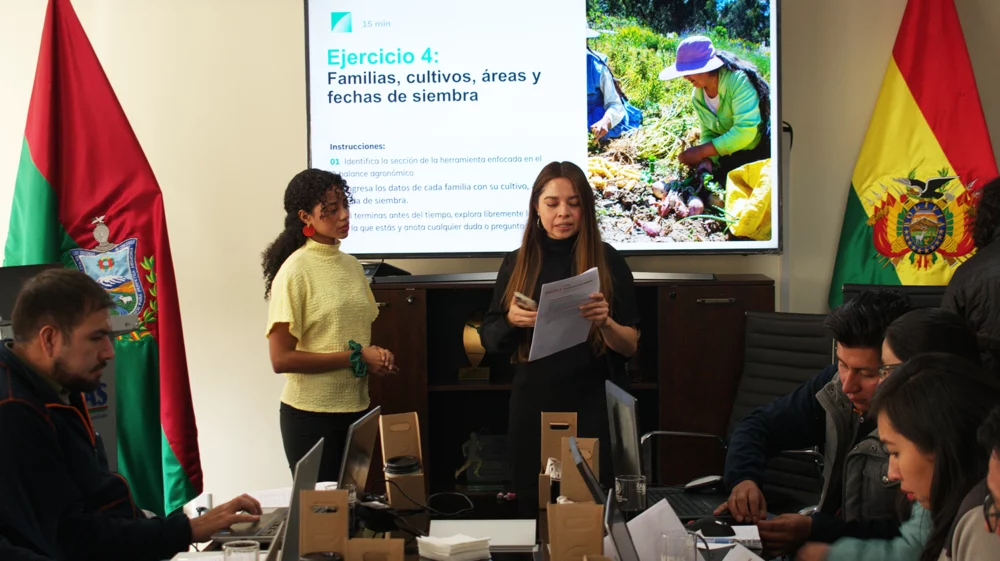
Feature / Bolivia faces a deepening water crisis. SEI helped plan for the future by creating the first-ever comprehensive model of Bolivia’s rivers, lakes and streams.
Journal article / This paper, based on an analytical literature review, reveals four themes essential in understanding equitable resilience in practice.
Journal article / Based on a literature review, here are three opportunities that could lead to transformation in the development-disaster risk relationship.