Editor’s choice
Editor’s choice
The European Climate Change Adaptation (ECCA) Conference 2013 will focus on understanding and assessing adaptation in action, by combining the latest science with insights from the world of policy and practice.
“This event is of high significance for future research activities and offers a great opportunity for us to mark SEI’s role as a leader in research and policy advice on climate change adaptation,” said Prof. Richard Klein. “We will also be able to present showcase examples from our work in Mistra-SWECIA and NORD-STAR.”
Prof. Richard Klein, in addition to being a member of the International Scientific Board, will chair three sessions:
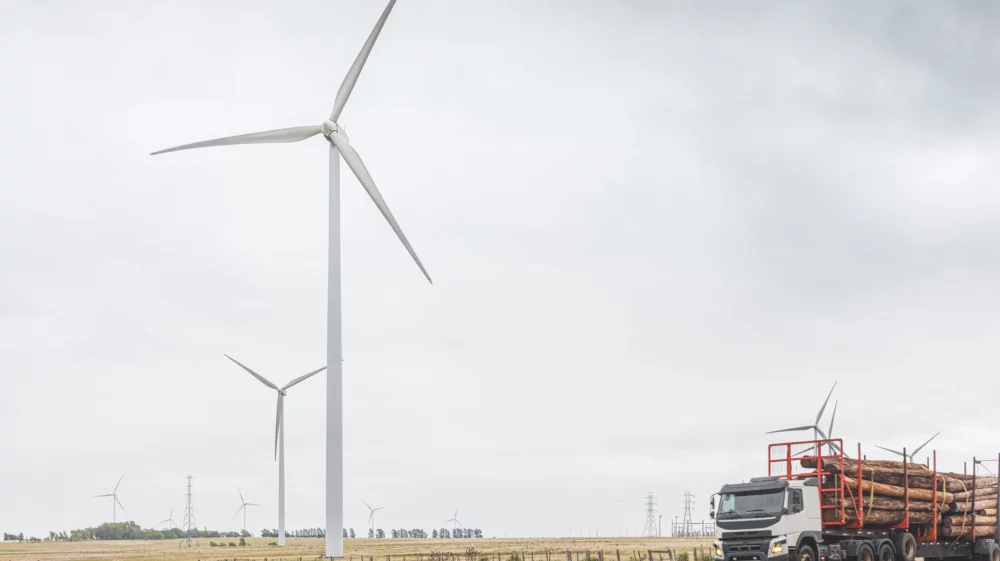
Journal article / An assessment of bioeconomy policies in Argentina, Brazil and Uruguay reveals neglected SDGs and gaps linked to power relations, interests and policy processes.
Event on 03 October – 11 October in Bangkok / Bangkok Climate Action Week (BKKCAW) is a regional climate gathering activating the power of people to drive meaningful change from 3 to 11 October 2026.
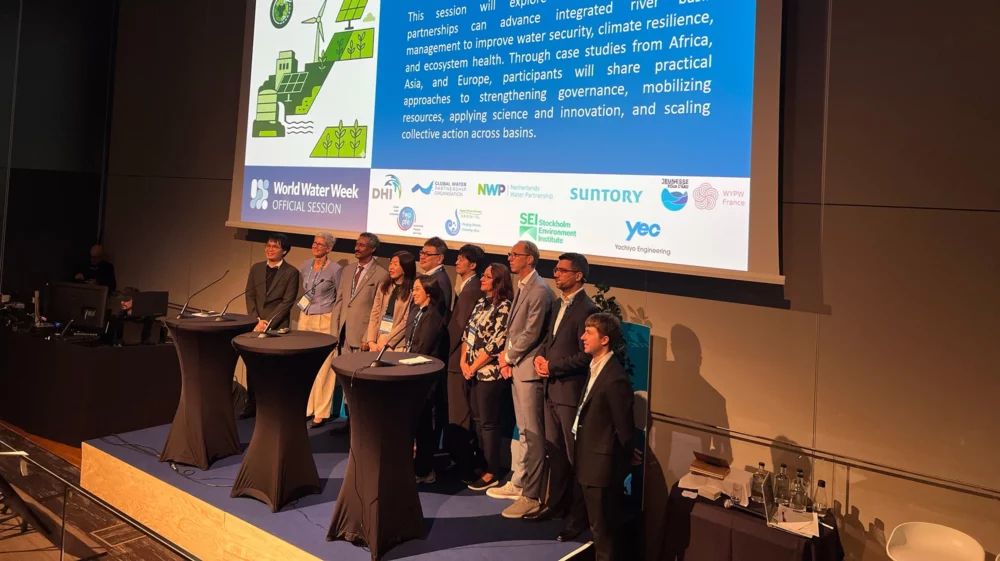
Feature / From AI's water footprint to sanitation in crises: the five trends from World Water Week 2026 that will shape water management.