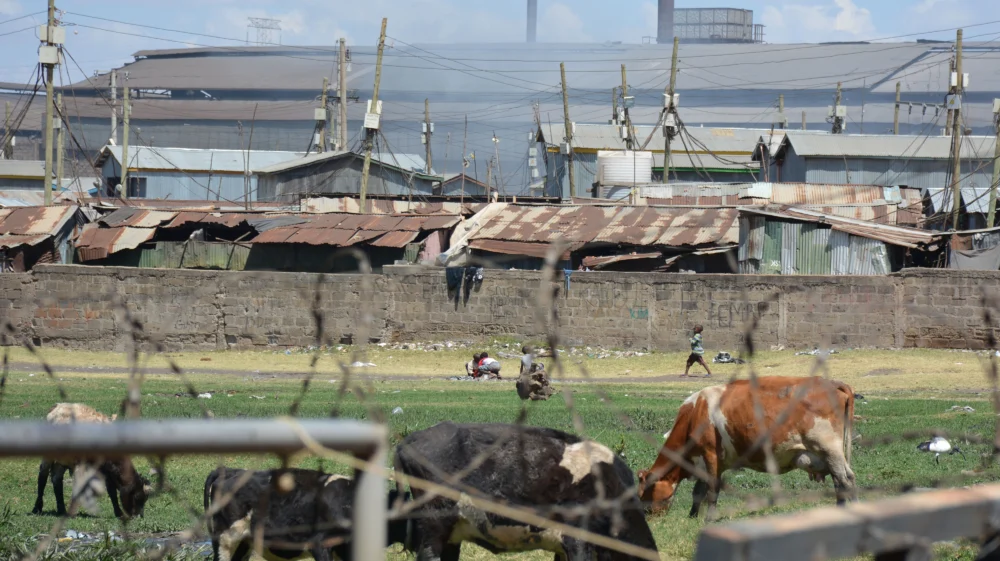
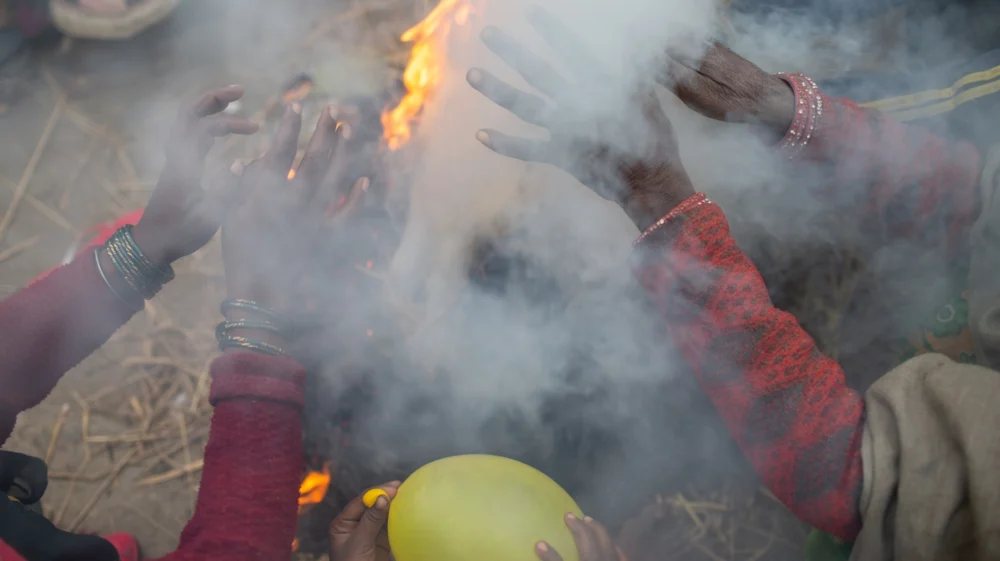
In urban centres across Africa, rapidly increasing population, motorization, biomass fuel use, industrial growth and poor waste management practices are driving severe air pollution episodes. These risks are compounded by the effects of climate variability, including heatwaves and extended droughts, which disproportionately affect vulnerable populations. Fine particulate matter (PM2.5 and PM10) has been consistently recorded at levels far exceeding WHO guidelines, posing significant health threats.
Recognizing these risks, City Governments, in close collaboration with the United Nations Environment Programme (UNEP) and the Stockholm Environment Institute (SEI), have pioneered a localized approach to air quality management, underpinned by data from a network of low-cost air quality sensors deployed across major cities in Africa, enabling more evidence-based planning and public health responses.
In parallel, Kenya, Ethiopia and partner countries have started implementing the Early Warnings for All (EW4All) initiative in partnership with the United Nations, which aims to ensure every person is protected by a multi-hazard early warning system by 2027. The initiative rests on four foundational pillars:
The convergence of air quality and early warning systems opens a new frontier for urban resilience, offering cities the tools to issue timely alerts during pollution peaks, plan responsive health interventions and design long-term strategies to mitigate emissions.
This dialogue, held as an official AMCEN side event in collaboration with UNEP regional office for Africa provides a unique platform to reflect on these innovations and chart a continent-wide path forward. With participation from city leaders, meteorological services, researchers, and regional institutions from Nairobi, Kampala, and Addis Ababa, Dar Es Salaam and Dakar, the session will spotlight best practices, expose operational challenges, and frame policy recommendations to inform both national action and regional frameworks like the Africa Clean Air Programme (ACAP).
Through the lens of science-policy collaboration, this event aims to accelerate the uptake of integrated environmental data services across Africa’s urban governance systems strengthening climate resilience, safeguarding public health and driving equitable and clean development.
Project / This project will build scientific evidence and knowledge platforms for urban air quality and climate resilience.
Journal article / "Breathing well" is about more than air quality: cleanliness, population and building density and the presence of vegetation all make a difference.
Feature / Discover how air quality research since the 1990s has shaped policy and highlighted the health, economic and social benefits of addressing air pollution.
Journal article / This research examines how changes in population vulnerability and exposure to air pollutants affect global air pollution-related mortality trends.