In regions such as Latin America, Southeast Asia, and Africa, biodiversity is the most important asset ensuring the health of ecosystems and the well-being of people closely linked to indigenous and local cultures that depend on natural resources for their livelihoods. These regions are home to the most critical tropical ecosystems on the planet with an enormous variety of species, endemism, and ecological benefits that favor planetary stability and economic development.
The bioeconomy has emerged as a beacon of hope in these regions, offering potential solutions to major climate action and biodiversity loss challenges, especially in Latin America, where more than 8 countries implement bioeconomy policies at different levels. This optimism is bolstered by the bioeconomy’s ability to address other social and economic challenges associated with sustainable development goals.
While there is a global effort to define the bioeconomy, different regions, countries, and territories have developed various definitions and approaches to this model, adapting them to their development visions. In regions of high biodiversity, there is a need to ensure that the bioeconomy contributes to biodiversity conservation and sustainable use while including traditional knowledge and the well-being of vulnerable groups. Evidence has demonstrated that having guidelines or guiding principles is crucial for promoting sustainable, inclusive, and representative bioeconomies.
This event aims to discuss the principles that should guide the bioeconomy to ensure that biodiversity conservation and sustainable use are at the heart of this model in Latin America. During the event, the guiding principles for the bioeconomy developed by the Latin American Bioeconomy Network members will be launched.
Additionally, a discussion will be encouraged on how these guidelines can be used to steer the strategies, policies, and action plans for the bioeconomy in various countries, territories, and value chains.
The agenda for this event will be published soon. In the meantime, discover SEI’s work boosting the bioeconomy and driving the sustainable use of biodiversity in Latin America.
Initiative / This initiative aims to guide decision-makers towards more cohesive and constructive governance of bioeconomy pathways, with a focus on the Global South.
SEI working paper / This working paper evaluates the potential of cassava within the framework of a sustainable bioeconomy in Colombia.
SEI report / Read an analysis of the potential for quinoa to contribute to the bioeconomy in Bolivia and the country's wider development goals.
Feature / Discover cassava’s transformative journey from a Colombian root crop to the forefront of sustainable bioplastic innovation, guided by SEI’s research.
Program / SEI is supporting the strengthening of the cassava value chain in Colombia to increase its sustainability, competitiveness and circularity.
Project / SEI and CIFOR join efforts to evaluate and improve the legal and institutional framework for a sustainable use of wild meat in Guyana.
Project / SEI collaborates with CIFOR to strengthen current business models around the use of biodiversity in Guyana.
Attending this event requires having an official badge for the Blue Zone of the CBD COP16. Badges are managed and approved by the CBD.
SEI is actively involved in CBD COP16 to share knowledge on a broad range of topics like tracking the biodiversity impact of consumption, strengthening the bioeconomy, community-led coastal resilience, and governance of both land, water and the ocean. To learn more about our activities and connect with SEI experts on-site, check out the page below.
Past event / Join SEI at CBD COP16 in Colombia to explore innovative solutions for advancing global biodiversity action and sustainable development.
Feature / Jonathan Green explains why the conference is crucial for tackling the global biodiversity crisis and what to expect from this landmark event.
Feature / SEI experts discuss pressing biodiversity challenges and strategies ahead of COP16 in Colombia.
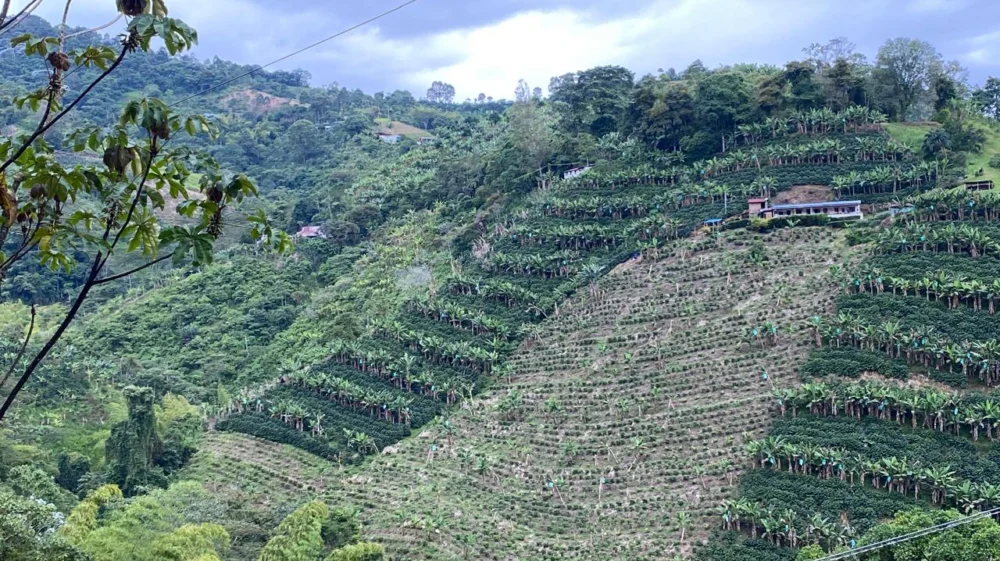
Feature / Coffee grower José María González Salazar is trying to preserve trees and crystal clear water through agroecology and multifunctional landscapes.