Towards Transformative Governance of Food Loss and Waste in Southern Africa, by the Transform-FLW team at the University of Zambia led by Dr. Gilbert Siame
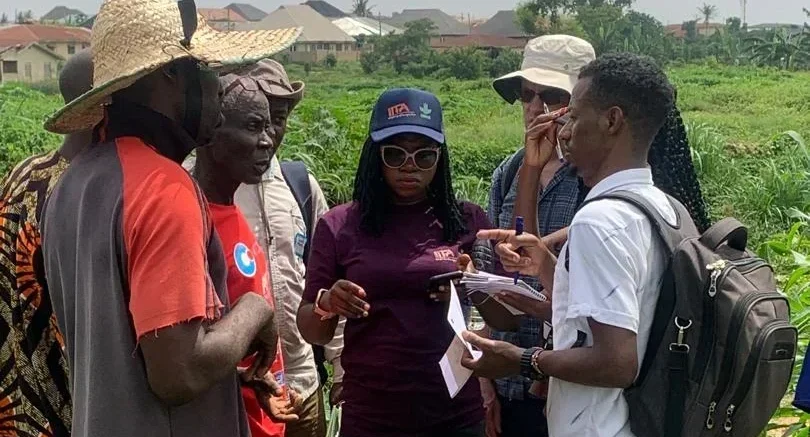
This study analyzed the complex issues surrounding food loss and waste (FLW) in Southern Africa. Researchers conducted a literature review, primary data collection (1,500 respondents), and collaborative workshops, with a focus on the capital city regions of Namibia, Malawi, Mozambique, and Zambia. The team identified many challenges with addressing FLW, including inadequate infrastructure and fragmented policies and governance. The research also highlights the uneven burden of FLW borne by women and marginalized groups, the need for more research on the climate-FLW nexus, and the importance of integrating the informal sector in solutions. Ultimately, the Transform-FLW team found that the most effective and equitable ways to reduce FLW were to change the structural factors that drive food choices.
Food Loss and Waste and Just Food Transitions in Southeast Asia, by Chloe Pottinger-Glass, Raja Asvanon, Isabelle Mallon, and Diane Archer, Stockholm Environment Institute (SEI)
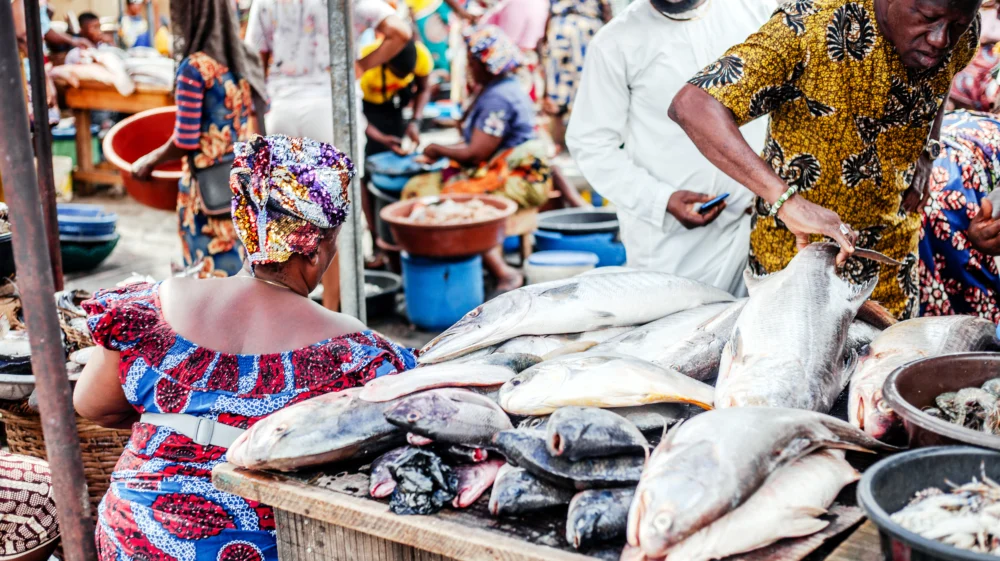
This study examined FLW in Southeast Asia from a gender and socioeconomic lens. The goal was to consider how resources were flowing along different value chains to identify opportunities to equitably minimize FLW. The researchers paid particular attention to the gender and social inclusion implications, existing and potential policy linkages, and efficacy of social and technological innovations. The study further used FAO’s City-Region-Food Systems (CRFS) framework as an analytical lens. Following a semi-systematic literature review, case study research was conducted in different sectors and nodes of the value chain: cooperatively-led coffee agroforestry in Bali; regional small scale fisheries and fish processing; and organic waste valorization in Bangkok. Researchers found that socio-institutional innovations yielded better and more sustained results than technological approaches. The most effective examples were solutions integrating mutually reinforcing efforts such as farmer organization, supportive policy frameworks, and engagement with diverse knowledge systems. Ultimately, the research shows the value of participatory, collaborative, and multi-scalar FLW solutions that place justice and rights at their centre.
Both studies were funded by Canada’s International Development Research Centre (IDRC).
Research Fellow
SEI brief / This brief examines how interest-free cooperatives can help Nigerian smallholders address climate and sustainability challenges.
Press release / New Trase data analysis highlights the need for stronger supply chain transparency as domestic demand grows and export data gaps widen.
Project / Enhancing the income and climate resilience of smallholder producers in Nigeria and Liberia by promoting access to integrated aquaculture-agriculture systems