Citizen science refers to any activity where researchers (often scientists) partner with members of the public to answer scientific questions. The use of citizen science methodologies has grown exponentially in recent years as scientists, policy-makers, and non-governmental organizations see the value of conducting research in this way. Here we explain briefly how citizen science can be used at one or more stages of the research process, and the benefits (and costs) of involving “citizen scientists” right from the start.
This feature is written by Inclusive Citizen Science, SEI York’s citizen science research group.

The term “citizen science” is used to describe a huge range of approaches spanning many disciplines. At its simplest and most widely used, it refers to using volunteers who are not professional scientists (in the context of the project) to aid in data collection for scientific research e.g. people submitting bird observations to a central database which is then analysed by professional scientists.
Increasingly however, practitioners see the value of involving ‘citizen scientists’ in other aspects of their research as well. This can make science more democratic and improve scientific outcomes whilst also benefiting participants. Giving participants the opportunity to participate in multiple stages of the scientific process is one of the widely accepted ten principles of citizen science.
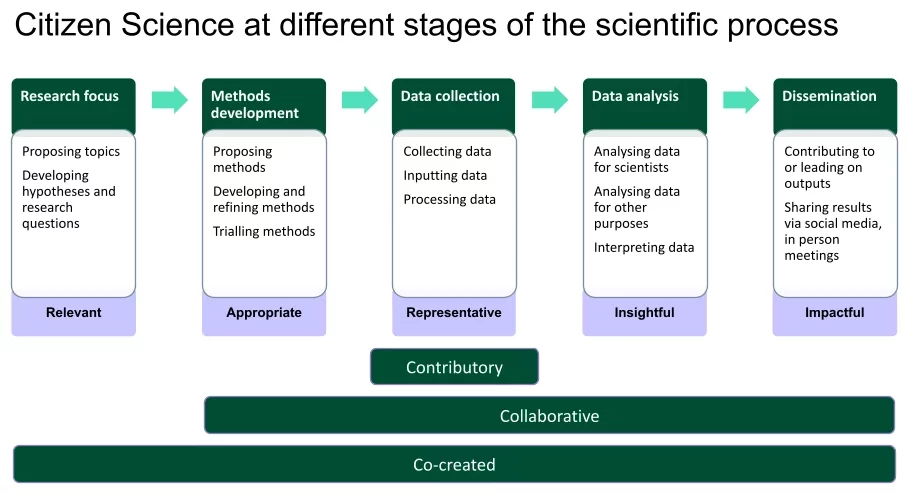
Citizen science projects can be categorized as “contributory,” “collaborative” and “co-created” depending on the stage(s) of the scientific process in which participants are involved and their degree of participation (see Figure 1).
Figure 1.
Image: Inclusive Citizen Science
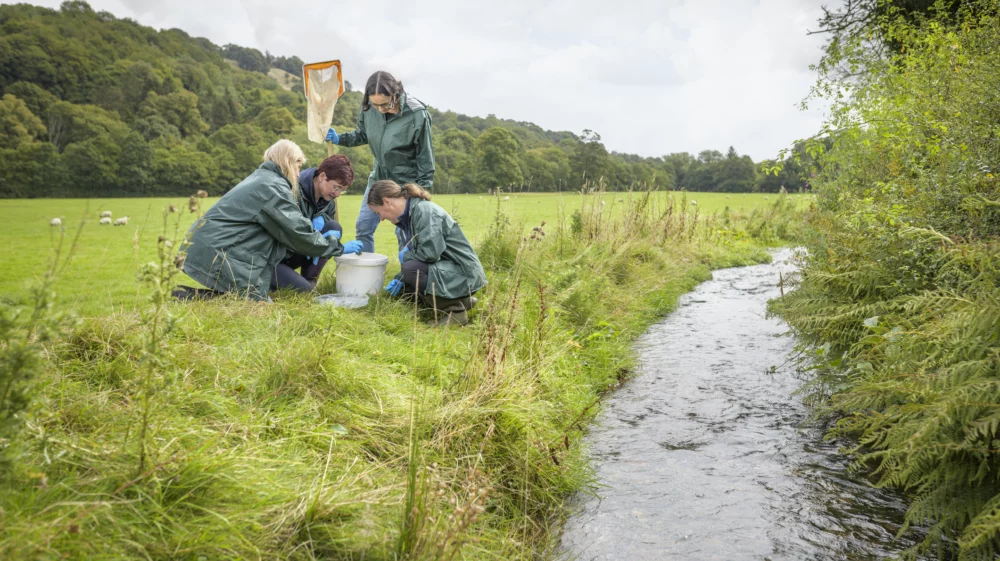
Contributory projects are those where scientists design the questions and the public helps to create or collect data. This matches the first understanding of citizen science above. The vast majority of current and historic citizen science projects are contributory. Our first foray into citizen science was as part of the Open Air Laboratories (OPAL) project, where participants contributed records of wildlife.
In collaborative projects, as well as supporting data collection, the public are also involved in one or more of the other stages of research. They may help to modify the research questions, pilot and develop methods, analyse data, or disseminate findings. However, they are not involved from the very beginning.
In SAMHE (Schools’ Air quality Monitoring for Health and Education), teachers and pupils collaborated with us to design and test an interactive Web App. This was an integral part of the project in which over 1300 schools across the UK received an indoor air quality monitor and access to the Web App as a way to interact with the data it recorded; understand its relevance and actions they could take to improve their classroom air quality; and submit valuable contextual data on the classroom environment to support analysis. Groups of pupils and teachers also collaborated with us to design the SAMHE logo and, later, to present our findings and recommendations at a parliamentary reception.
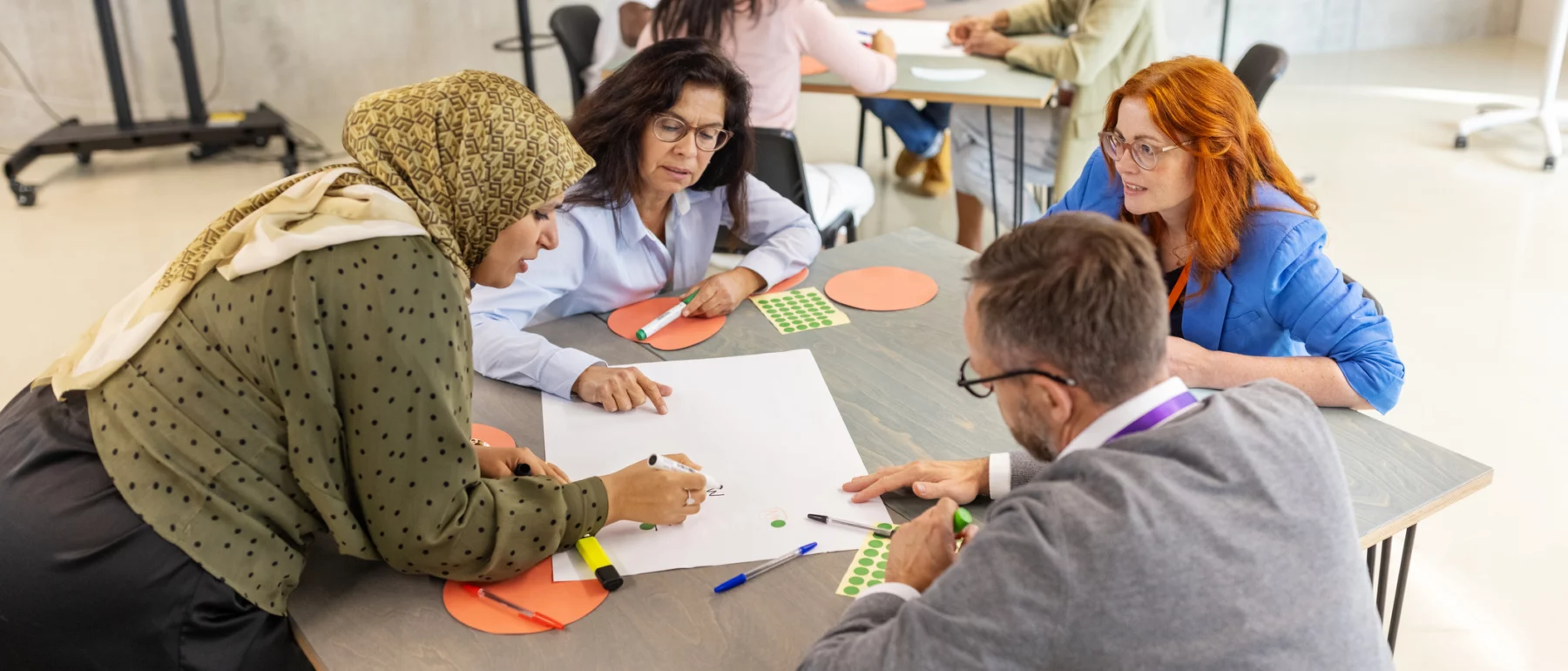
Co-created projects involve participants at all stages of the scientific process, from setting research objectives to dissemination of findings. Co-created citizen science projects, by nature, originate in direct response to the needs of the community. They are typically driven by a firm commitment to deliver tangible benefits to the members of these communities and the active engagement of community members at every stage ensures that the outcomes are deeply entrenched within the community’s reality and context. This approach fosters the creation of practical knowledge and community empowerment. It aims to promote a more democratic production of scientific knowledge, matching the second understanding of citizen science above.
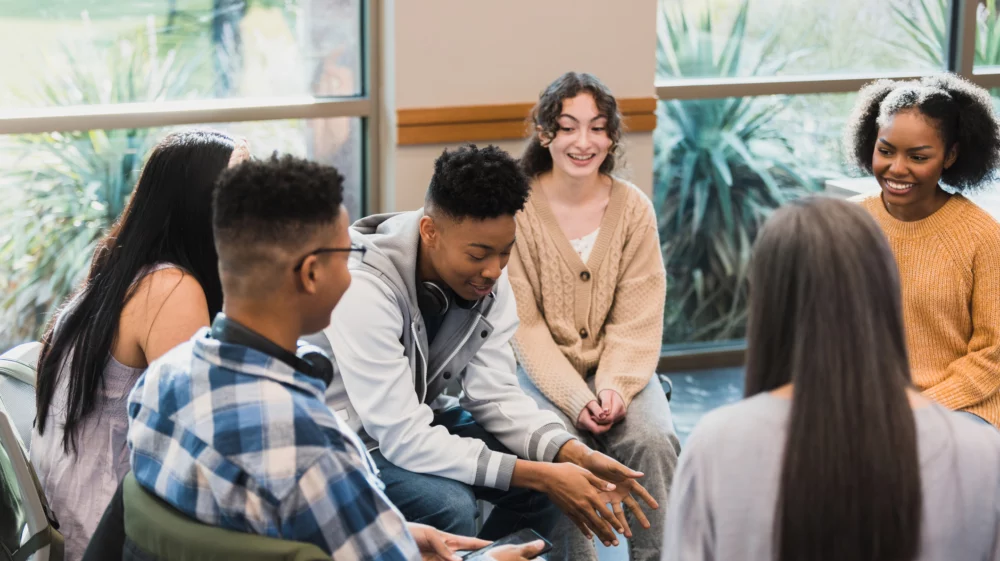
We have successfully used co-creation in a range of projects, such as working with unhoused people in Mexico City to understand their access to WASH (Water, Sanitation, and Hygiene) and supporting parents to identify and ask questions they wanted answering through scientific research. Our most fully co-created research project to date was Youth LIVES (Youth LIVed Experience of Evidence Synthesis). This was a novel participatory research project utilizing a model of radical co-production and cutting edge citizen science approaches, where young people identified research questions, and designed and developed research proposals collaboratively with established researchers.
Involving volunteers in stages of research beyond data collection requires significant time commitment from the scientific researchers and may necessitate a longer project period. Co-creating research also requires scientists (and funders) to be open-minded and flexible about the research questions that will be addressed and the methods used to do so. However, there are significant benefits.
Co-creating research can ensure that your research is relevant, your methods are appropriate for the people you are working with and the data you are collecting is representative of the situation you’re trying to explore. Participants can provide valuable different perspectives on your analysis and improve knowledge mobilisation and exchange, generating greater impact from the research.
That said, co-creation is not always appropriate. Sometimes external factors mean there is limited scope for participants to influence the research questions or methods. If there is no clear benefit to participants from being involved in co-creation then it is not ethical to ask them to contribute their time.
Photo: sorn340/ Getty Images.
Meet our experts, explore our work and find resources to support your research.
Project / The OPAL project encourages people to get back in touch with nature by enabling them to explore and study their local environments.
Project / A citizen science project monitoring indoor air, created with and for UK schools.
Project / Working with young people to co-design relevant mental health research by identifying and addressing priority research questions.
Project / Exploring the feasibility of citizen science to improve WASH conditions in two districts of Mexico City.
Feature / Use the hub to learn more about citizen science, connect with others using and developing methods, and discover resources, training and events.
Feature / Smriti Safaya gives us a flavour of the varied activities she gets involved in as a citizen science researcher at our York centre.
Journal article / This article advocated for greater understanding of barriers to participation in citizen science projects and suggested methods for improving impact.