What can a study on household waste in Bosnia and Herzegovina (BiH) teach us about driving change across the wider Western Balkans?
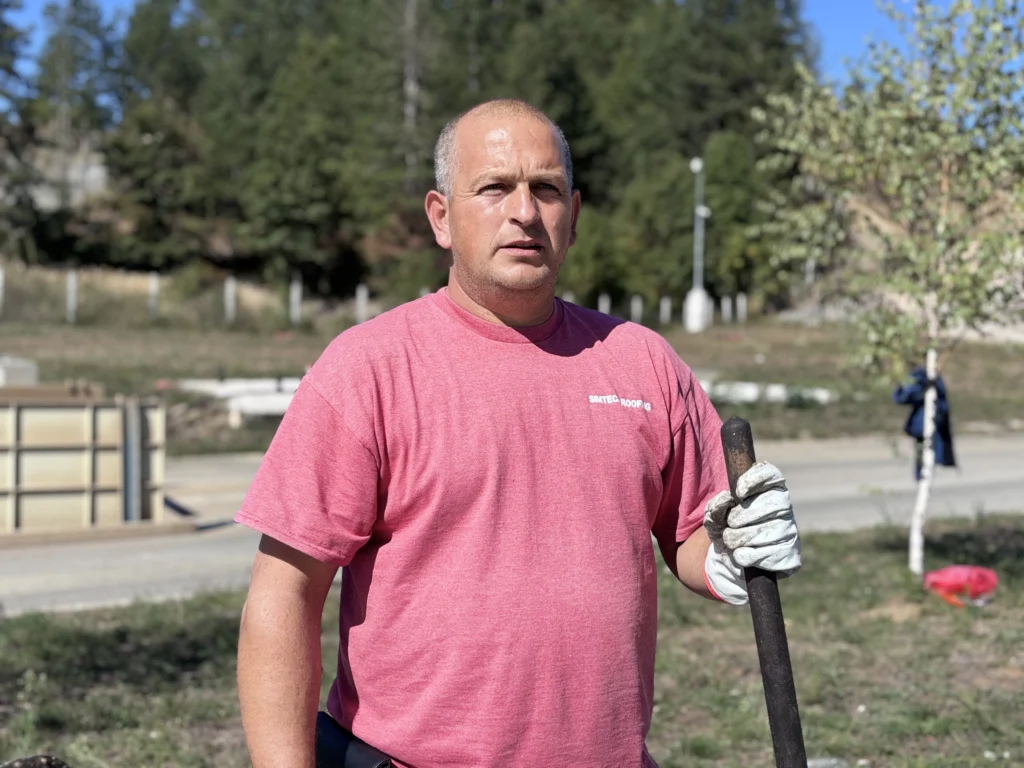
Almir Salkić’s working day at the Eko-Sep landfill in Živinice starts at around six in the morning, when the first trucks arrive. “When you tell someone that you work at a landfill, the first reaction is often one of shock,” he said. “I see it differently. To me, waste is not simply something that needs to be thrown away – waste is an unused resource.”
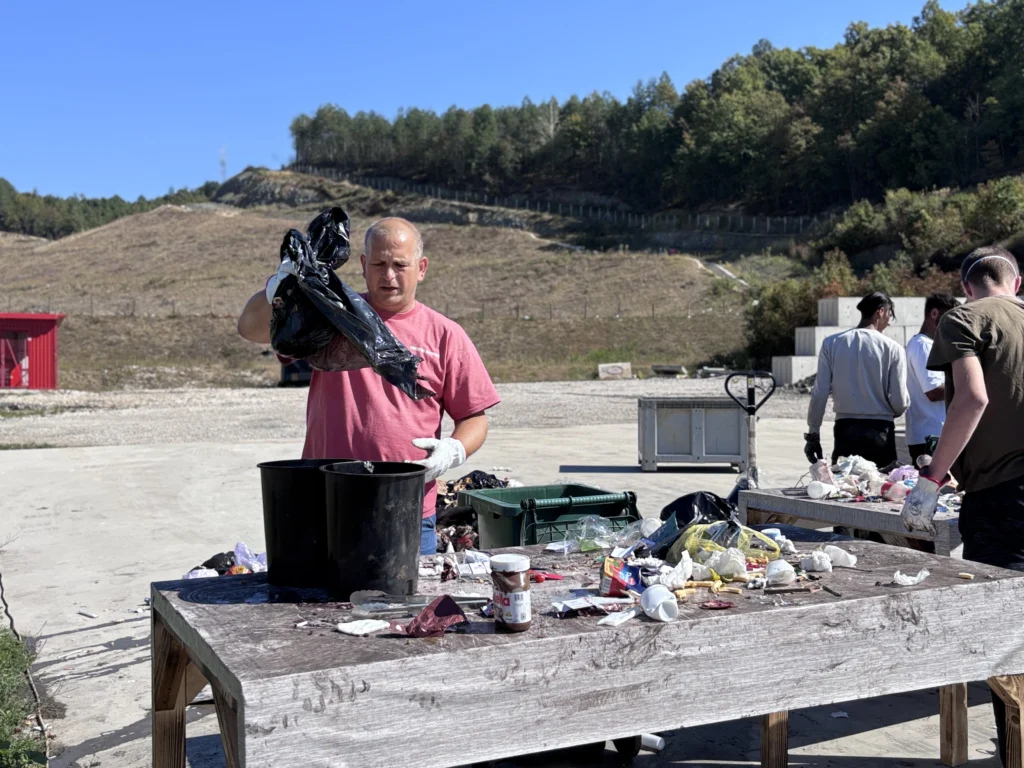
In September 2026, SEI’s BiH SuTra project and the public waste company Eko-Sep put that idea to the test, analysing household waste from Živinice, Banovići and Kladanj in Bosnia and Herzegovina (BiH). The aim was to find out what ends up in the landfill and how much of it could be separated, recycled or recovered instead.
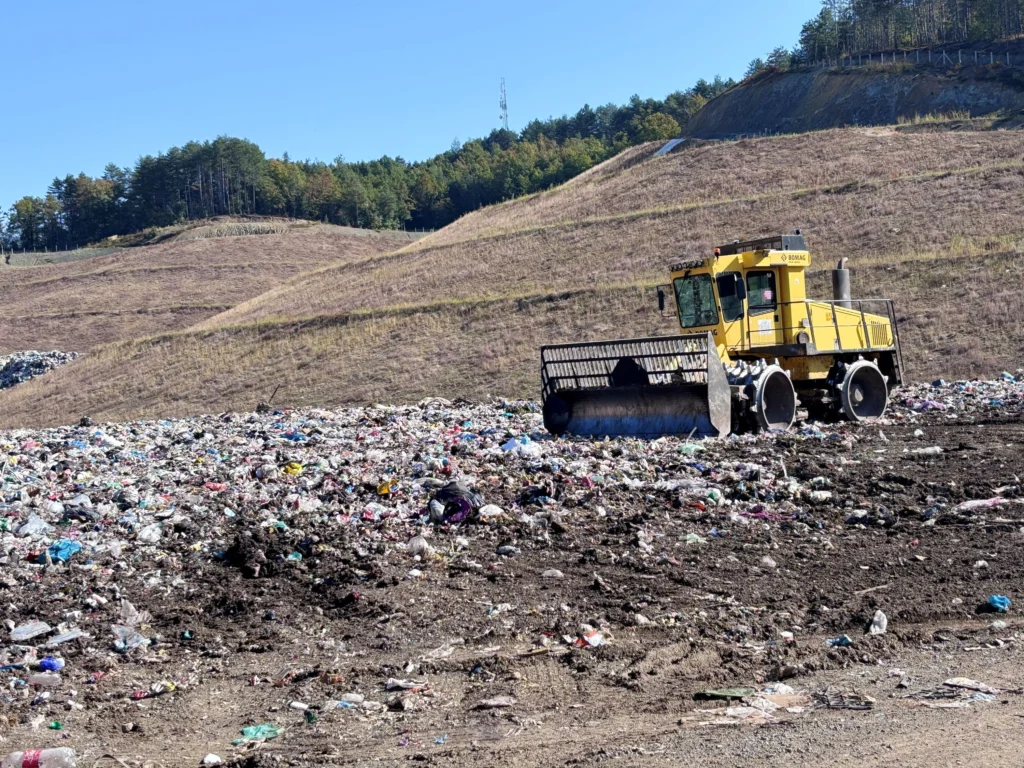
Estonia was in a similar position before joining the European Union. In the early 2000s it had more than 500 non-compliant and illegal landfills. They were closed within a relatively short period, and today the country essentially needs only one landfill, because most waste is separated, collected and treated. “Bosnia and Herzegovina now has an opportunity to learn from a process that Estonia went through more than 20 years ago,” said Harri Moora, Head of the Green and Circular Economy Transformations Unit at SEI Tallinn.
SEI combines Swedish expertise with Estonia’s experience of transition and reform, working closely with local partners. The aim is to build the skills and data needed for that shift, using a method that could be adapted across the Western Balkans.
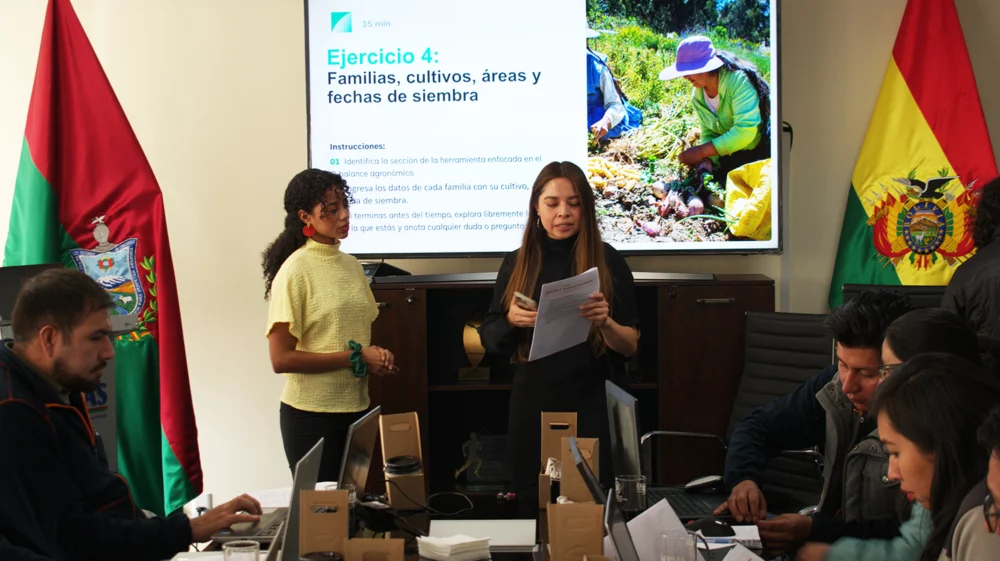
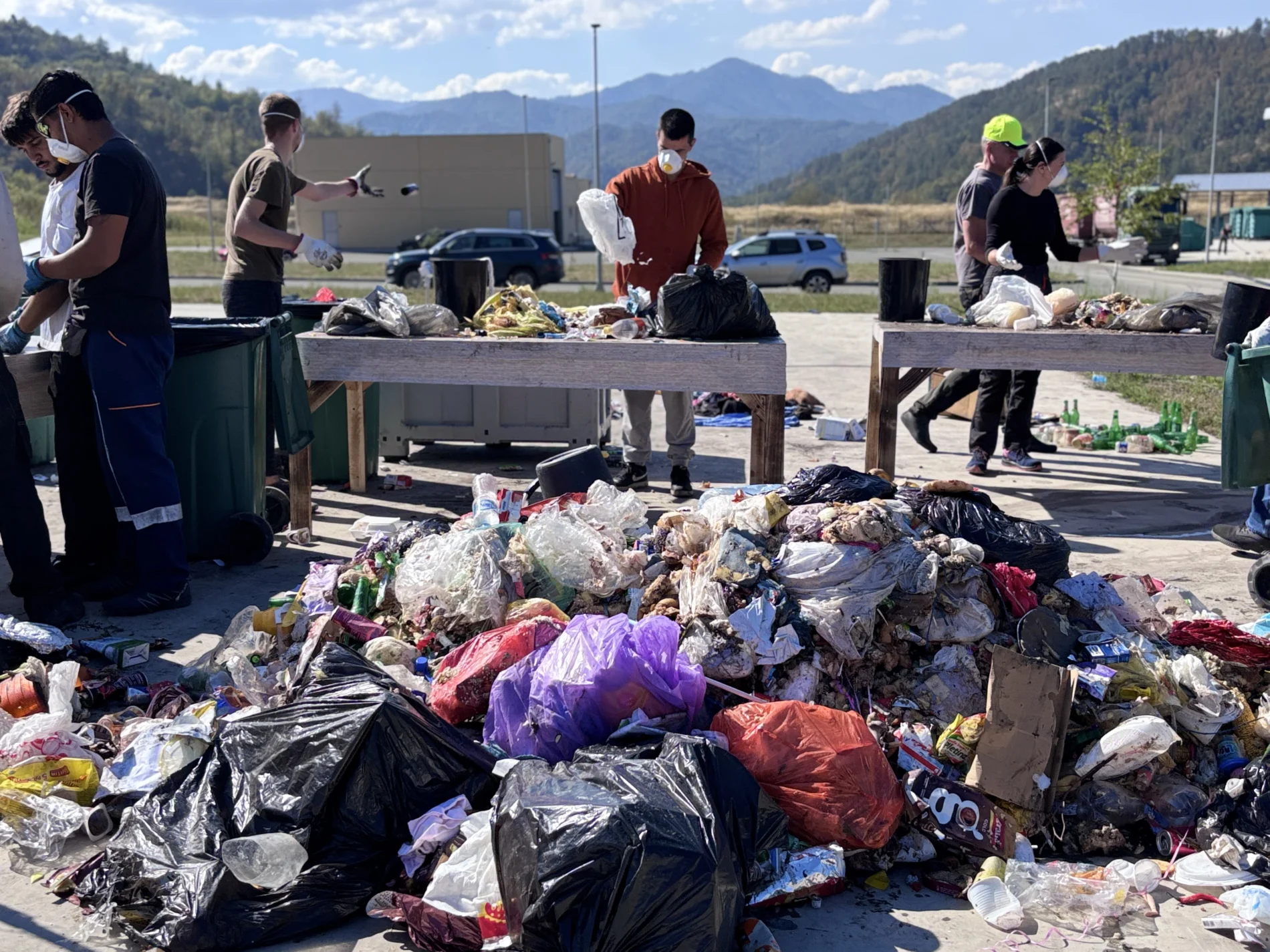
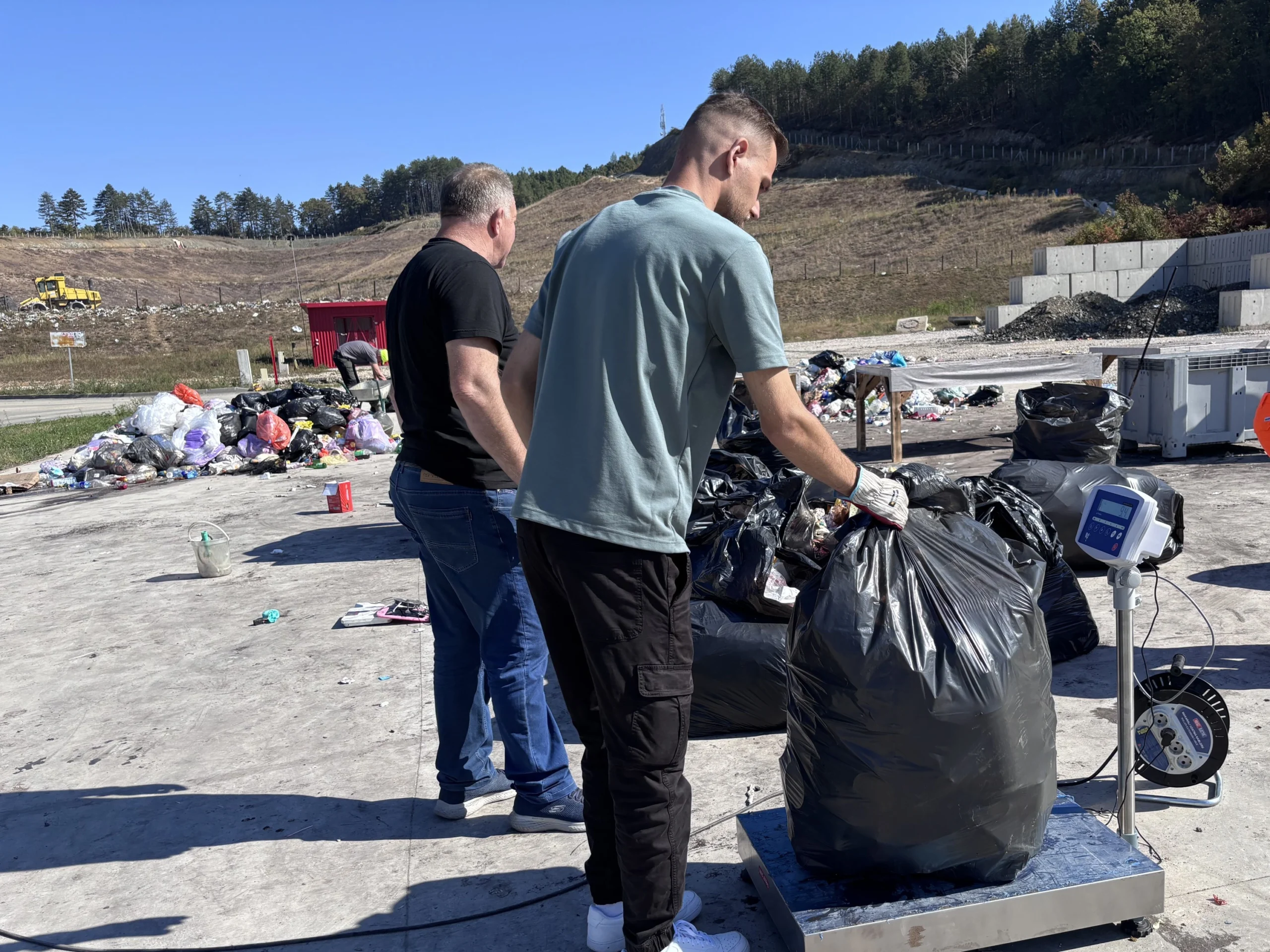
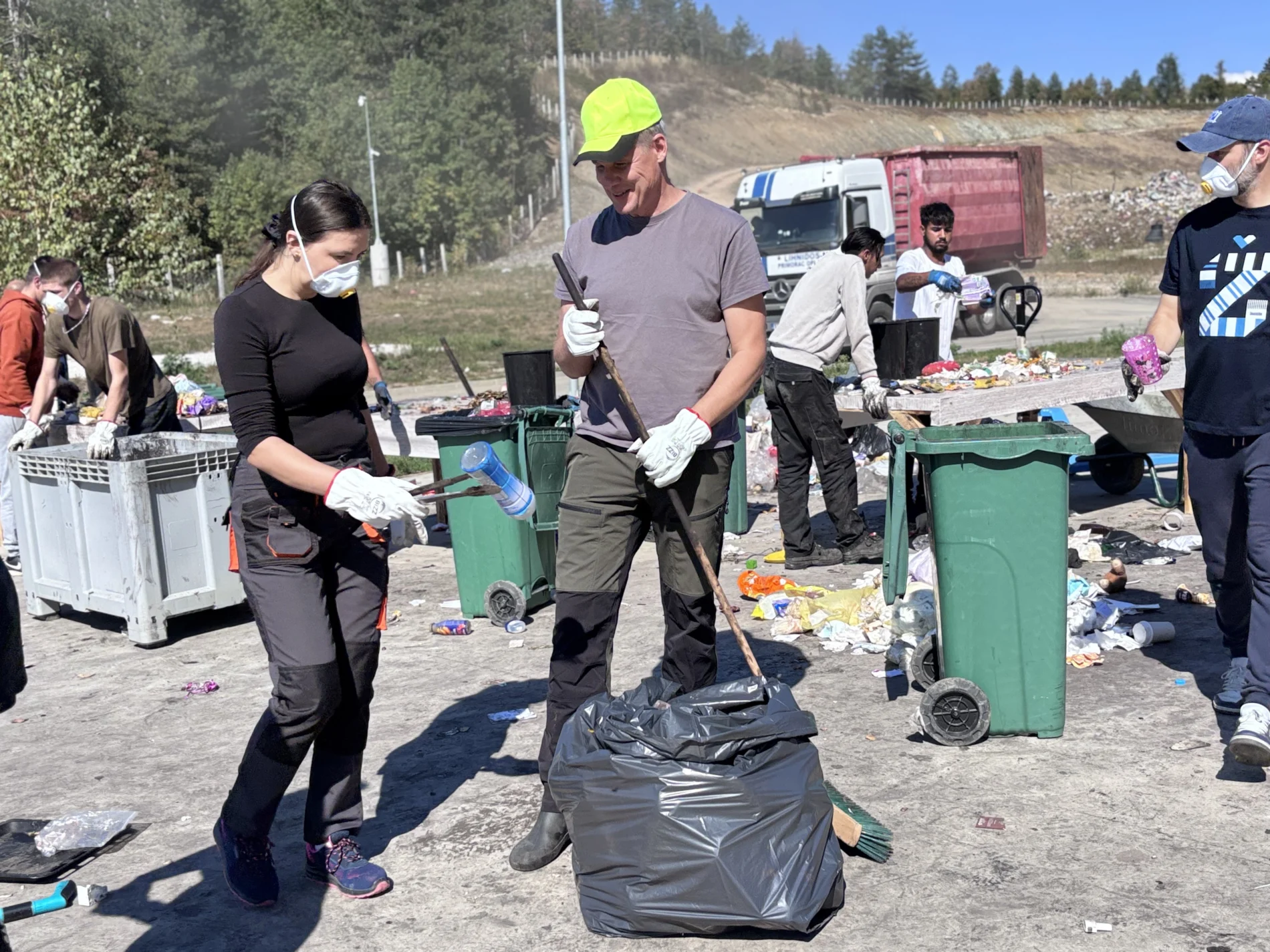
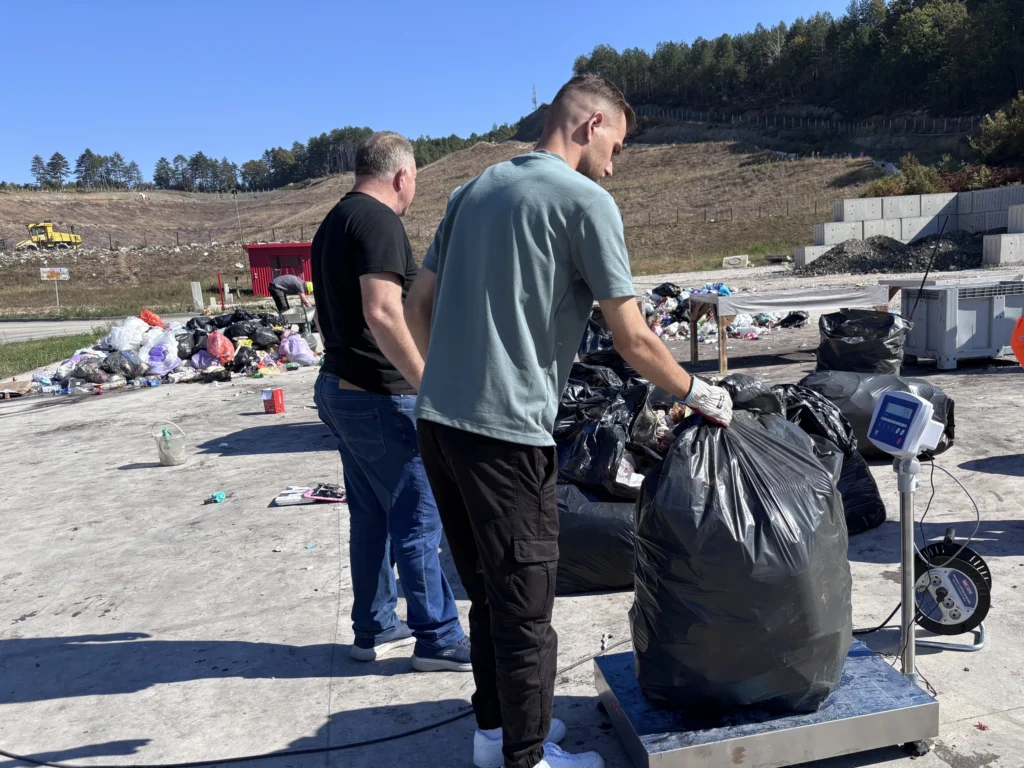
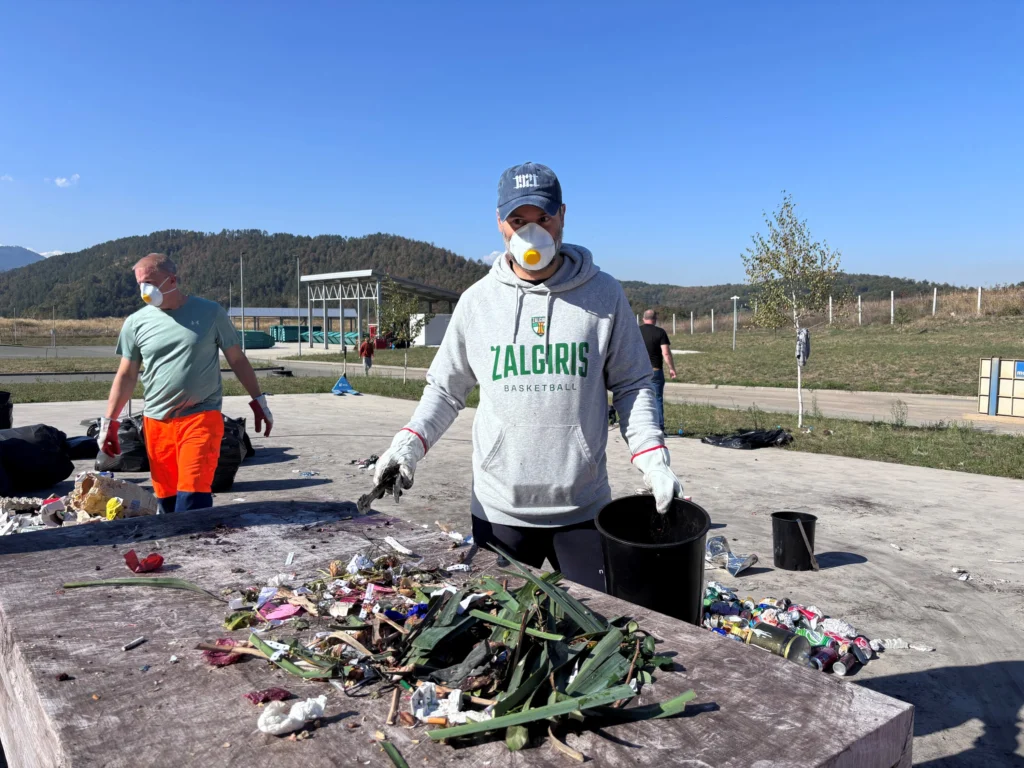
SEI experts together with the BiH SuTra project team and partners analysed the household waste from Živinice, Banovići and Kladanj in Bosnia and Herzegovina.
Photo: BiH SuTra project
The study uses a new methods approach in BiH, drawing on experience from Sweden and Estonia but tailored to local needs. Lejla Alagić, Director of Eko-Sep, explained: “The study covers three types of areas – urban, suburban and rural – so that we can obtain as comprehensive a picture of waste composition as possible.” It compares apartment buildings and individual houses in urban areas and rural households. It is the second analysis carried out at the Eko-Sep site, following a pilot study in March 2026.
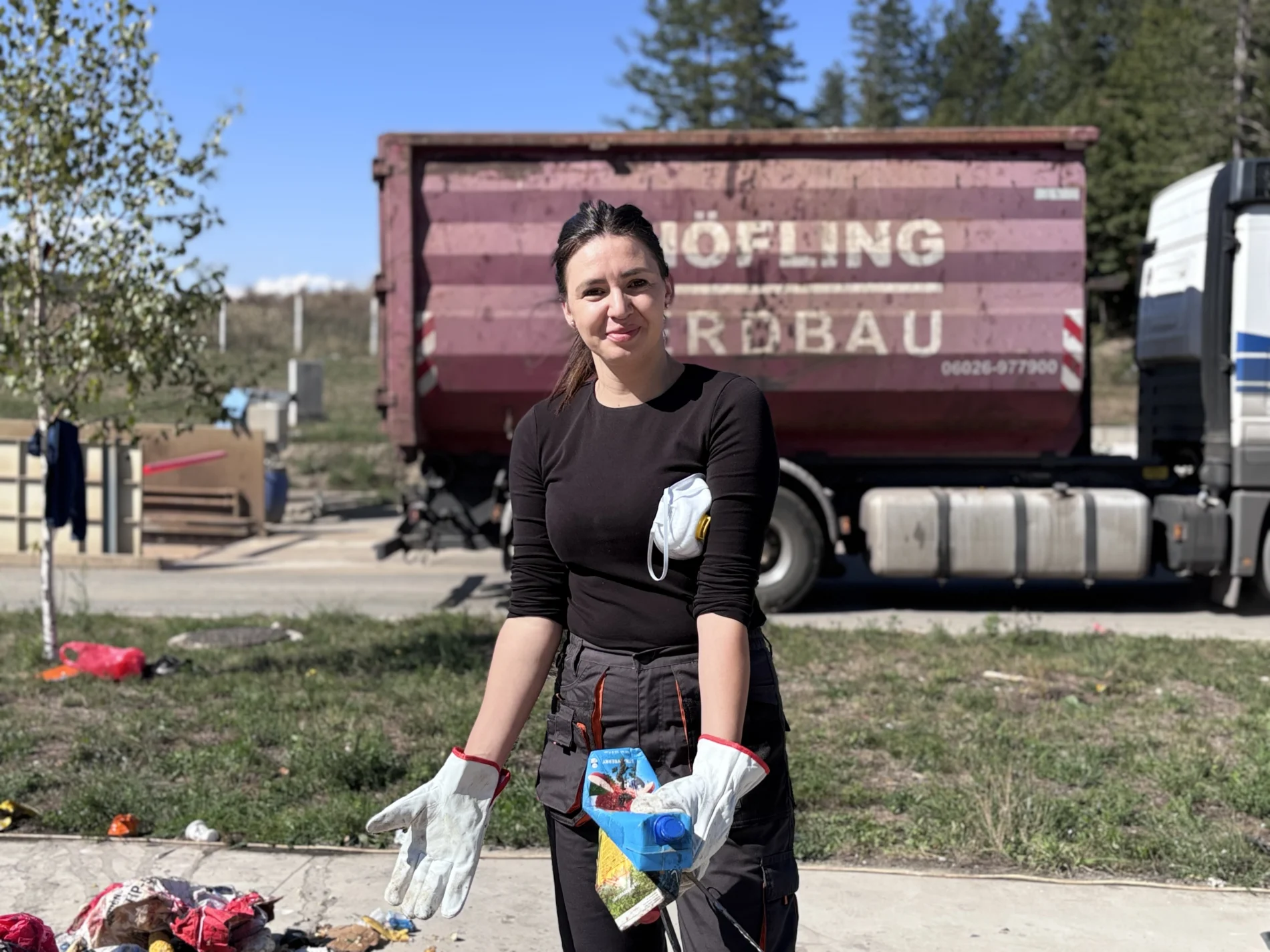
Lejla Alagić, Director of Eko-Sep, a modern sanitary landfill jointly established by the City of Živinice and the municipalities of Banovići and Kladanj.
Photo: BiH SuTra project
“Through the pilot project, we wanted to test what worked well in the methodology, identify the challenges we might encounter and determine what could be improved. Based on that experience, we further expanded the methodology and included additional waste categories to obtain more useful and precise data,” said Alagić.
Early results from the two studies illustrate why seasonal differences matter when planning waste management. The spring analysis showed a high proportion of ash, which is not collected separately, while the September analysis found more biodegradable waste and food waste. More detailed results will be available once all samples from the latest study have been processed.
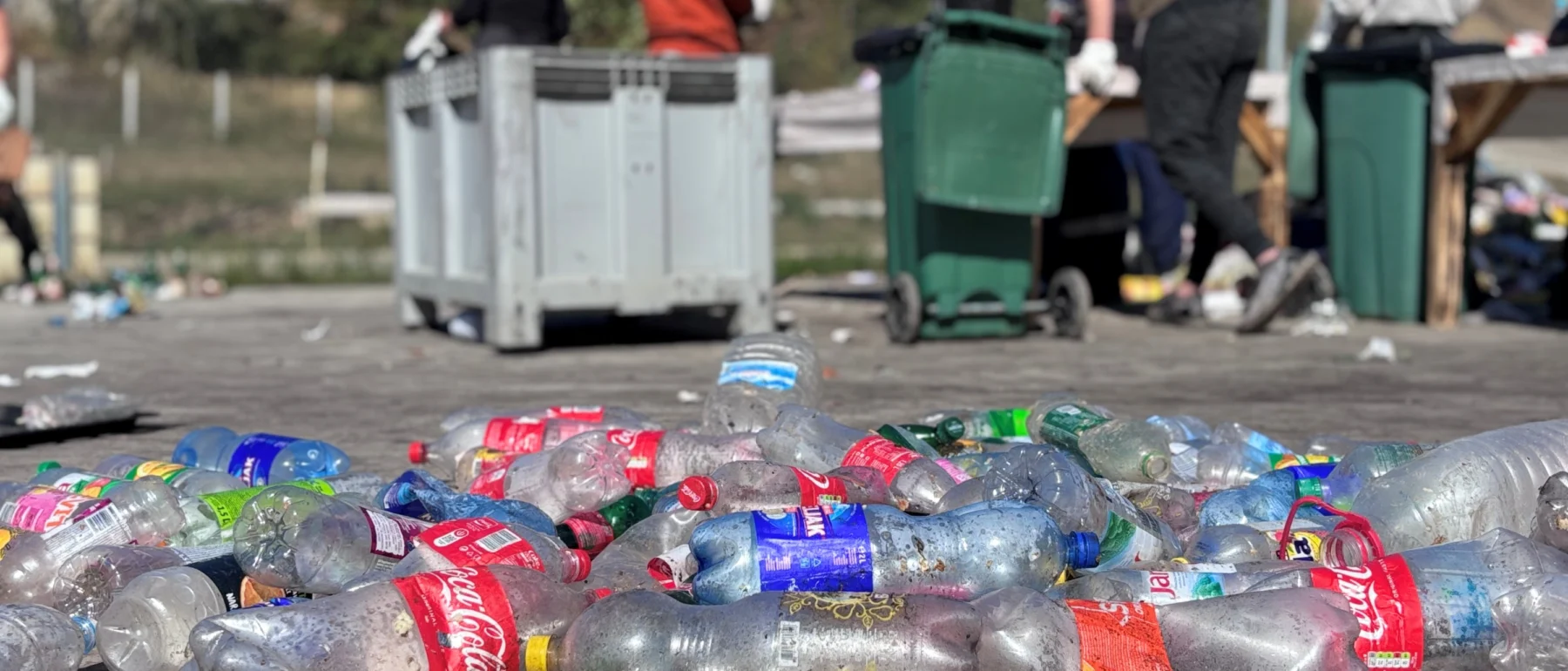
The methodology is working well, and we expect to obtain reliable results. We can already see that there is much less ash compared with the winter period. It is also positive that there are very few batteries, light bulbs and medicines in the waste, which means that these types of hazardous waste are generally not ending up in the landfill. As expected, the largest share of the waste consists of biodegradable waste, particularly food waste, while a significant portion is also packaging, especially plastic and paper packaging.
Tomas Thernström, Senior Expert in Circular Economy and Waste Management at SEI Headquarters
The study measures the share of different waste types and how they can be separated, recycled or recovered. “If we want to develop an effective recycling system, we need to know what is actually contained in the waste we generate every day,” Moora explained. That is the purpose of the analysis: to provide reliable data that can support better decisions about how waste is collected, treated and recovered.
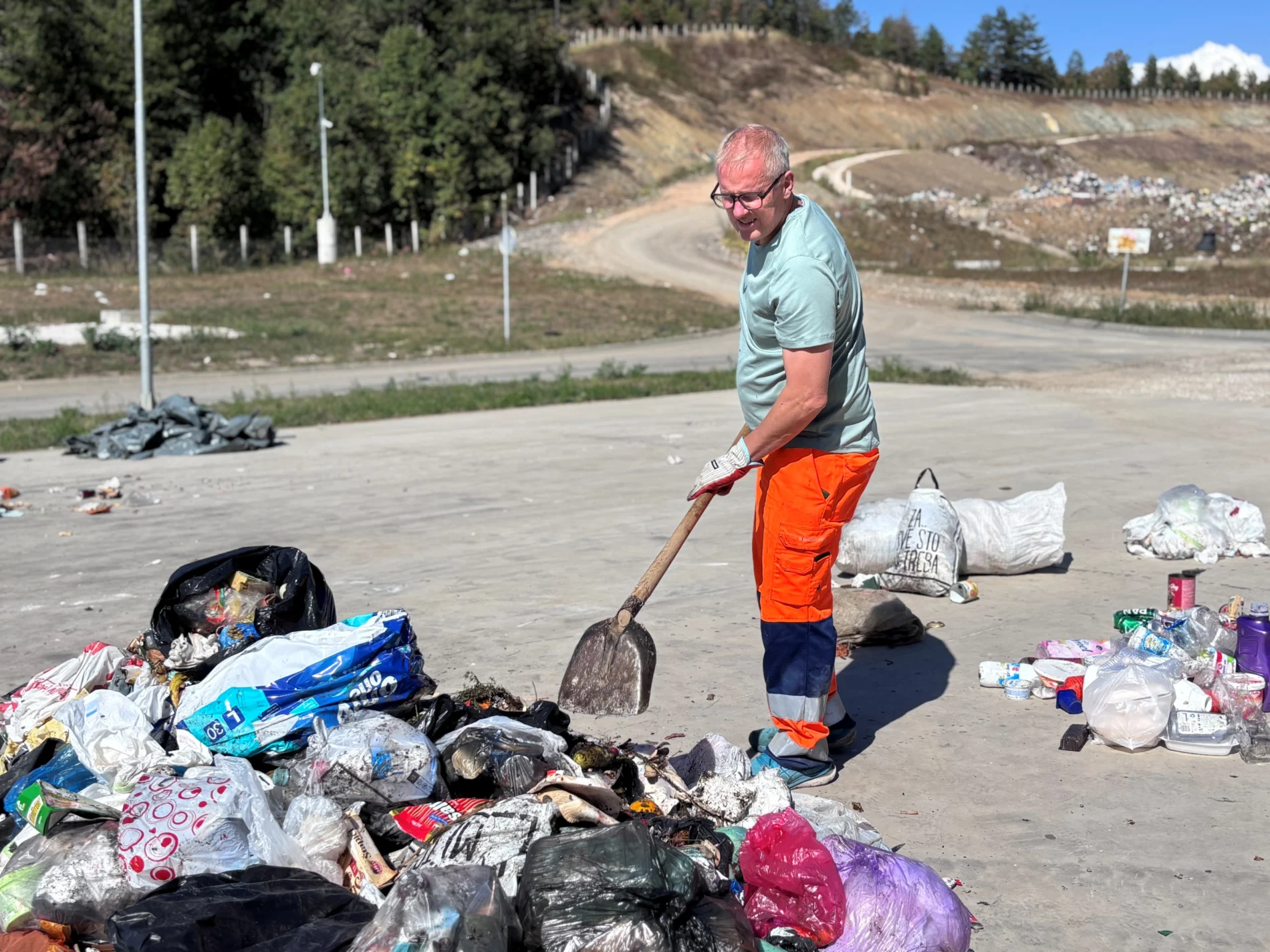
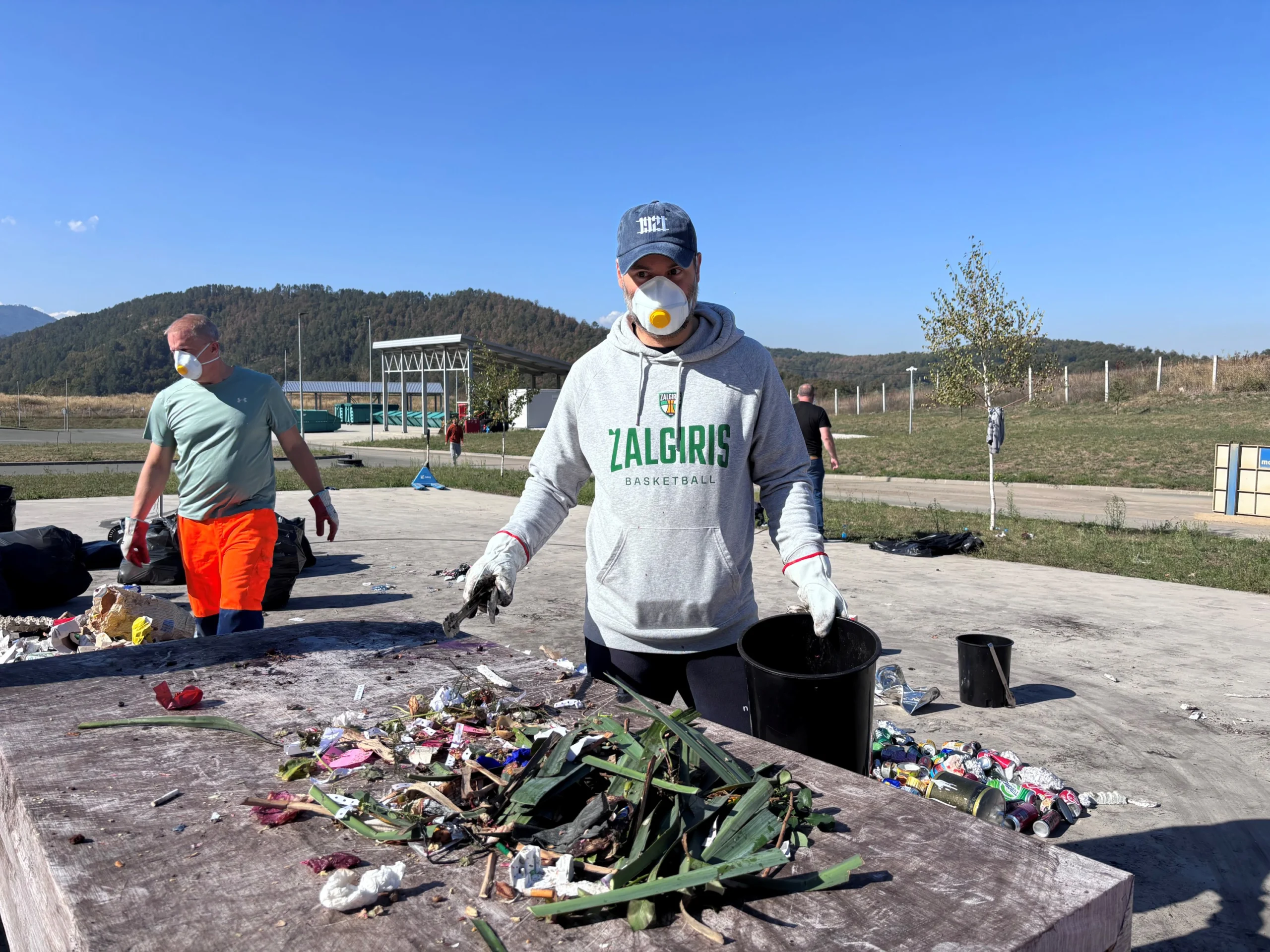
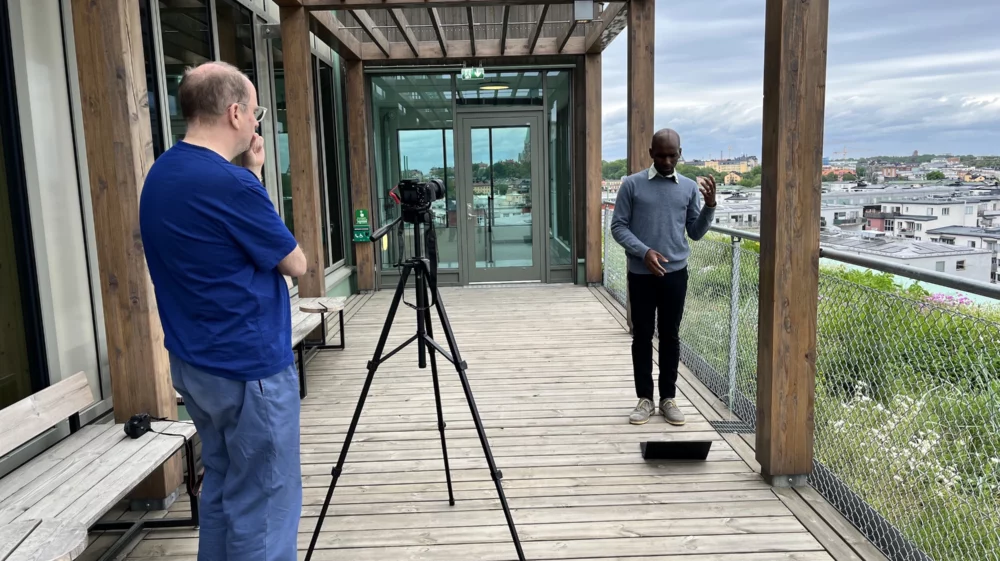
Tomas Thernström, SEI’s senior expert in circular economy and waste management, during the waste composition study in Živinice.
Photo: BiH SuTra project
The findings will also support the next stage of Eko-Sep‘s waste management system, including the planned mechanical and biological treatment of waste. The study identifies the biggest waste streams and the materials that can be recovered. This helps focus future efforts such as separate collection, recycling, public awareness and education.
Moora points to the wider potential of this approach, noting that a substantial share of the waste examined has some market value: “This means that a large amount of valuable resources is currently simply being thrown away.” The waste could instead be treated as a resource. This has become more urgent, since landfills have limited capacity and lifespan as well as a significant impact on the environment.
By comparison, Sweden still has landfills in several parts of the country, but only around one percent of mixed municipal waste ends up in them. “This demonstrates the importance of focusing on waste separation, recycling and other treatment methods in order to minimize the amount of waste that ultimately ends up in landfills,” said Tomas Thernström, Senior Expert in Circular Economy and Waste Management at SEI.
BiH SuTra supports the municipalities and Eko-Sep in conducting waste composition studies. The next step is to repeat the studies across seasons to capture changes in waste composition, particularly the proportions of ash and garden waste, and to assess waste received from additional municipalities.
These studies can also inform Eko-Sep’s plans for a sorting facility and differentiated gate fees based on the polluter-pays principle. Some incoming waste has already been sorted by the company that collects it from households, removing valuable recyclables before it reaches Eko-Sep and reduces its potential for further material recovery. Understanding these differences will help Eko-Sep assess investment options and develop fees that reflect waste composition and the associated management costs.
The waste composition study is part of a bigger effort to improve waste management in BiH. It aims to shift from a system mainly focused on disposal to one that emphasizes separation, recycling and recovery. It shows how important it is for local communities, companies such as Eko-Sep, and international experts to work together. This cooperation helps create reliable information for future planning.
Cooperating across communities also matters for financing. “In Sweden, similar analyses are carried out in larger municipalities approximately every two years, depending on their data needs. For smaller municipalities, such studies can be too expensive, which is why it is important for several municipalities to use the same methodology. This allows results from larger samples to also be used by other local communities,” Thernström explained.
Moora stressed the value of acting early: “The earlier we invest in infrastructure, recycling and modern waste management systems, the greater the benefits will be for local communities in the future.”
My main message to decision-makers in Bosnia and Herzegovina is that they need to be prepared to invest in the waste management system today, even when the benefits of those investments may not be immediately visible.
Harri Moora, Head of the Green and Circular Economy Transformations Unit at SEI Tallinn
At the same time, infrastructure and investment can only go so far; households also play a significant role in how waste is handled. Separating waste at source, disposing of it correctly and valuing recyclable materials all help to reduce what ends up in the landfill.
Harri Moora, head of the Green and Circular Economy Transformations Unit at SEI Tallinn (on the right) and Lejla Alagić, director of Eko-Sep (on the left).
Photo: BiH SuTra project
“Citizens must be part of this process. We need to raise awareness about the importance of proper waste separation, educate the public and involve all relevant stakeholders. Ultimately, a combination of investment, good infrastructure, education and active citizen participation is key to developing a modern and sustainable waste management system,” said Moora.
Eko-Sep is a modern sanitary landfill jointly established by the City of Živinice and the municipalities of Banovići and Kladanj. It is a significant infrastructure project with a value of approximately BAM 20 million (more than EUR 10 million). The Swedish International Development Cooperation Agency (Sida), which funds the BiH SuTra project, also co-funded the landfill with a EUR 2.65 million grant. The first of four planned phases has been completed. It focuses on the disposal of mixed municipal waste, while the subsequent phases include mechanical and biological waste treatments, a facility for treating landfill leachate, and the use of methane to generate energy for the landfill’s own needs.
Head of Unit, Senior Expert (Green and Circular Economic Transformations Unit)
SEI Tallinn
Project / BiH SuTra aims to improve local capacities to implement efficiently and effectively environmental and sustainable transition policies in BiH.
Feature / Key insights from a new SEI report on wastewater in Bosnia and Herzegovina, with author Daniel Ddiba.
Feature / SEI’s BiH SuTra partnership expands at SECW 2025, advancing just, inclusive transitions toward cleaner, greener futures in BiH.
Project / This project supports Bosnia and Herzegovina's progress towards EU accession by aligning waste management practices with the European Green Deal.