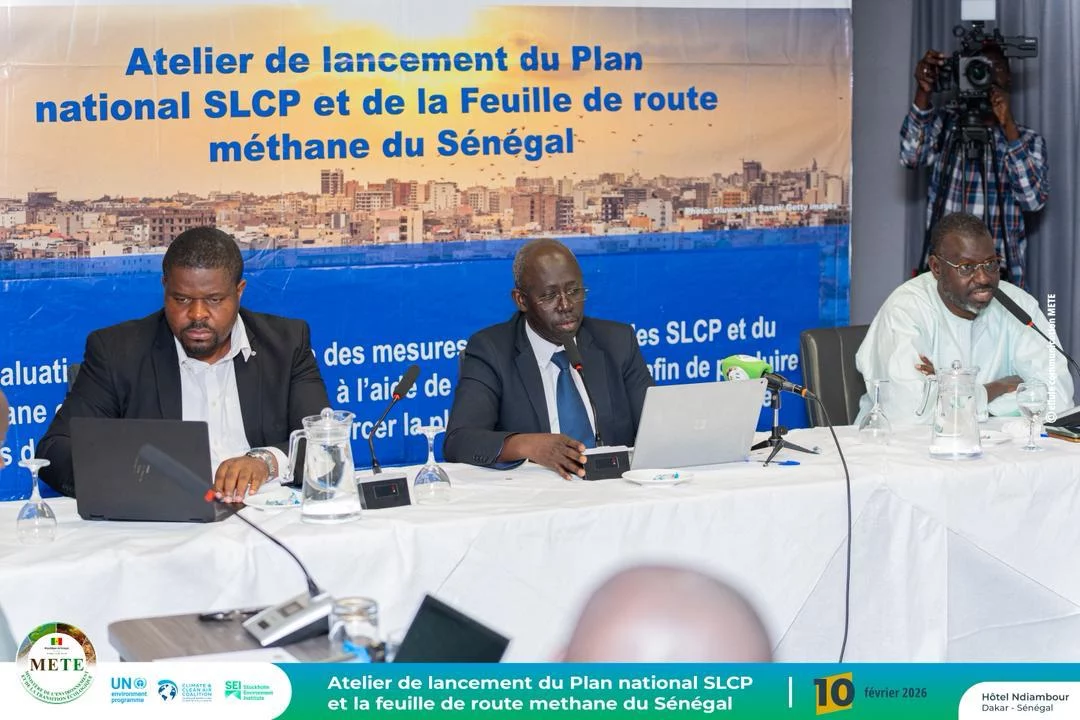
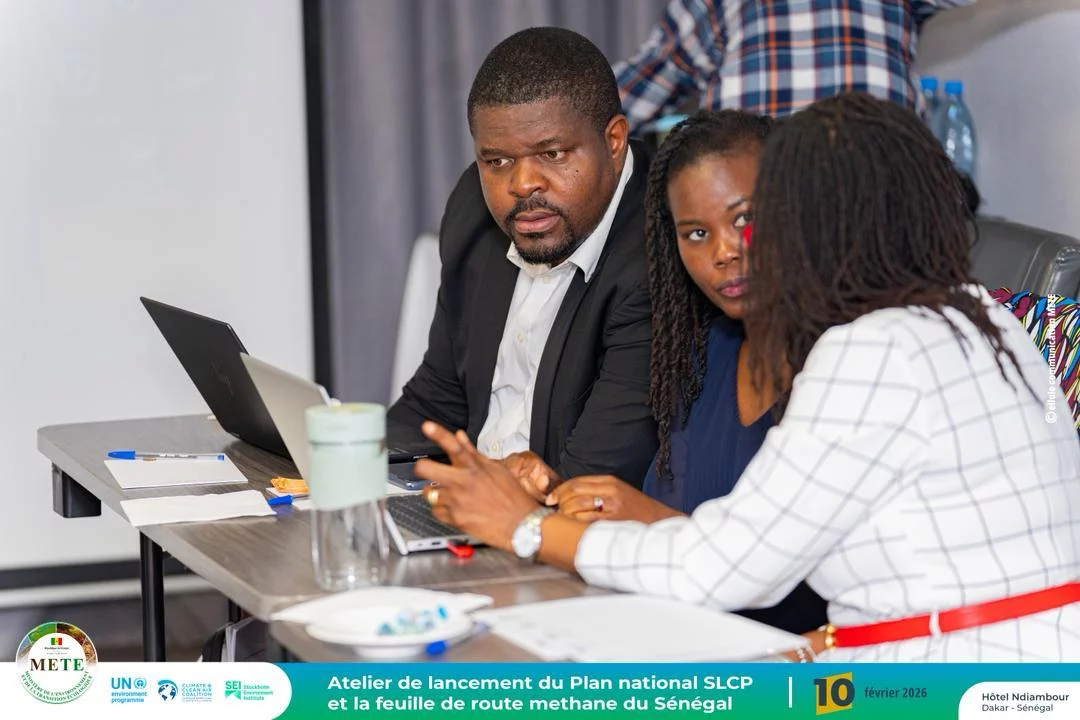
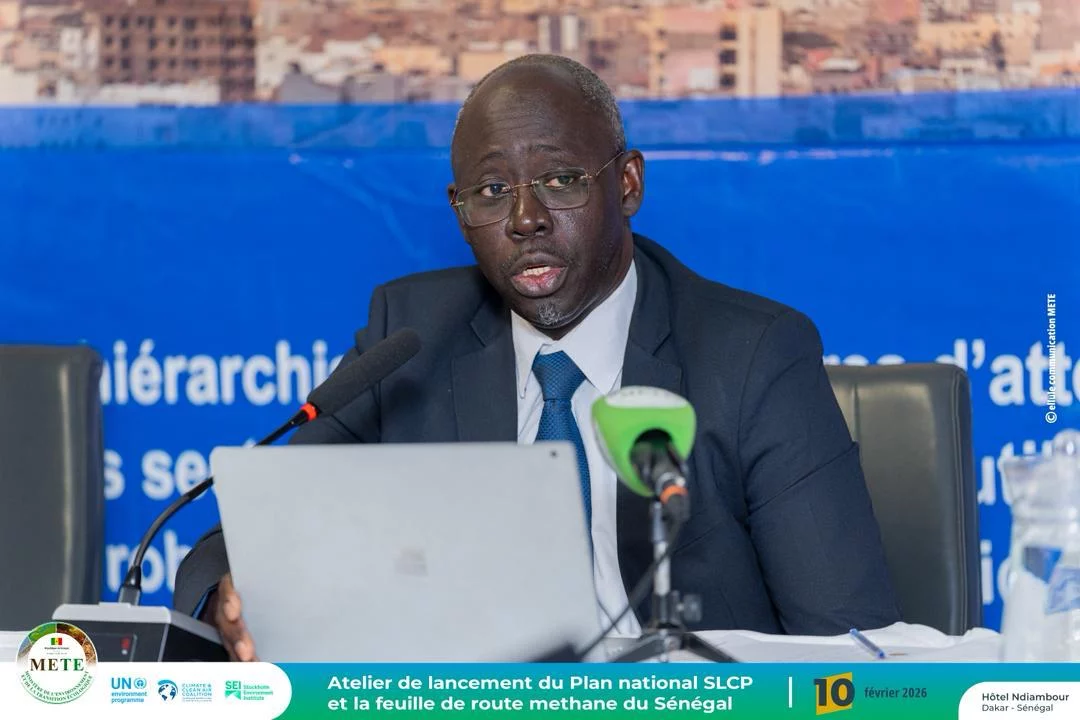
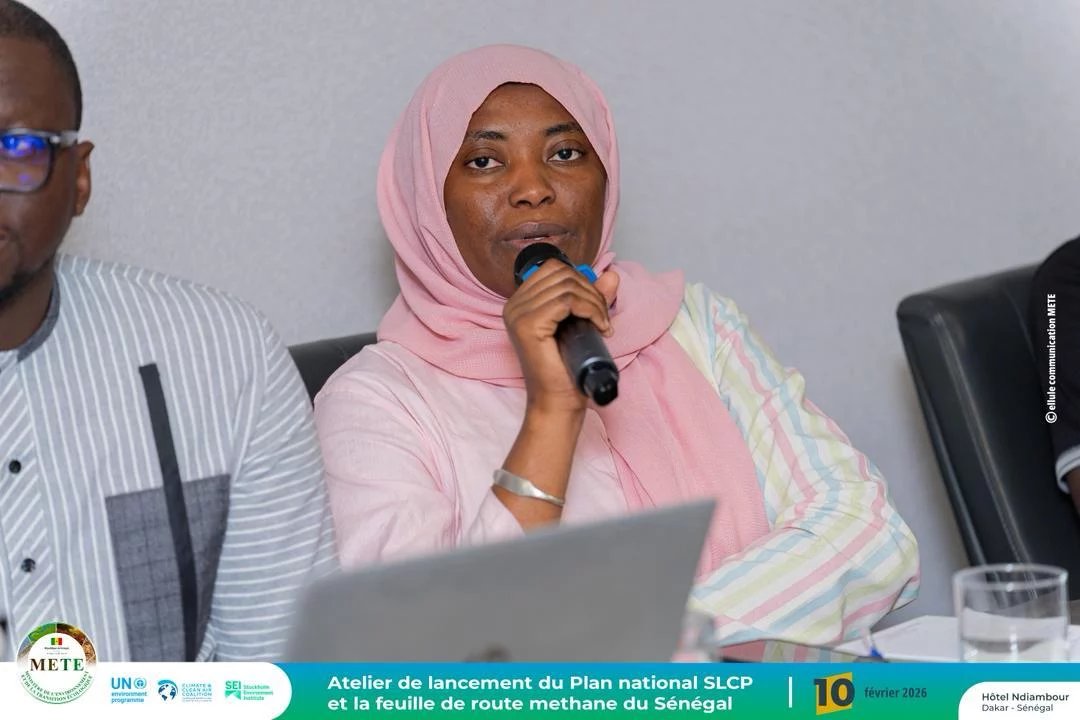
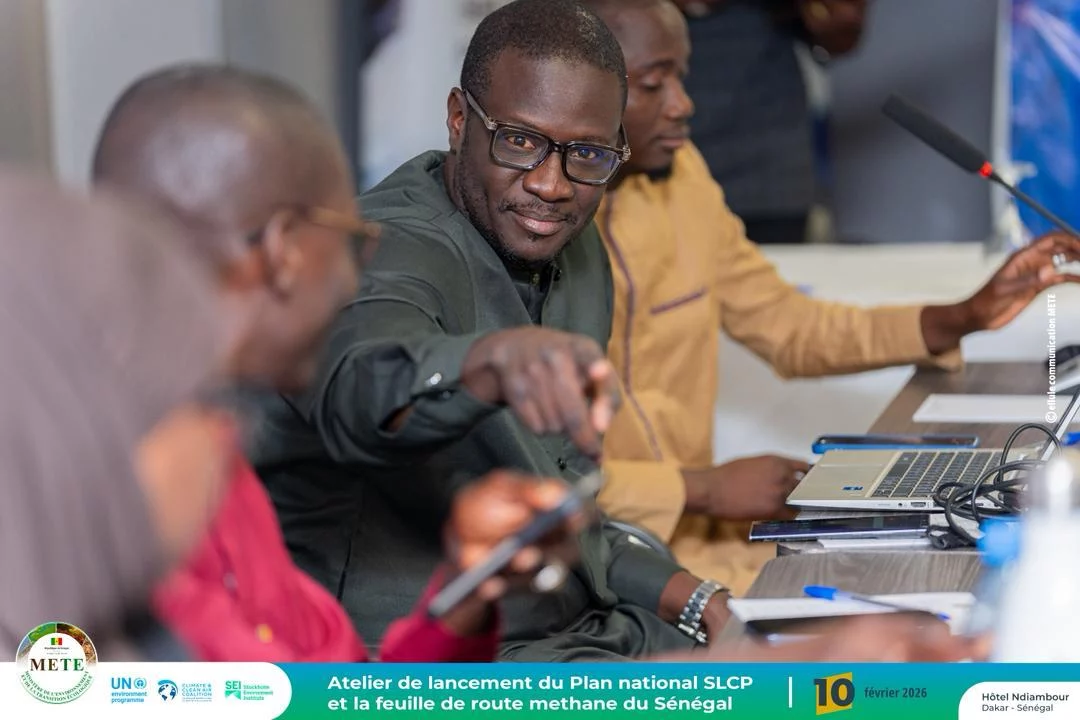
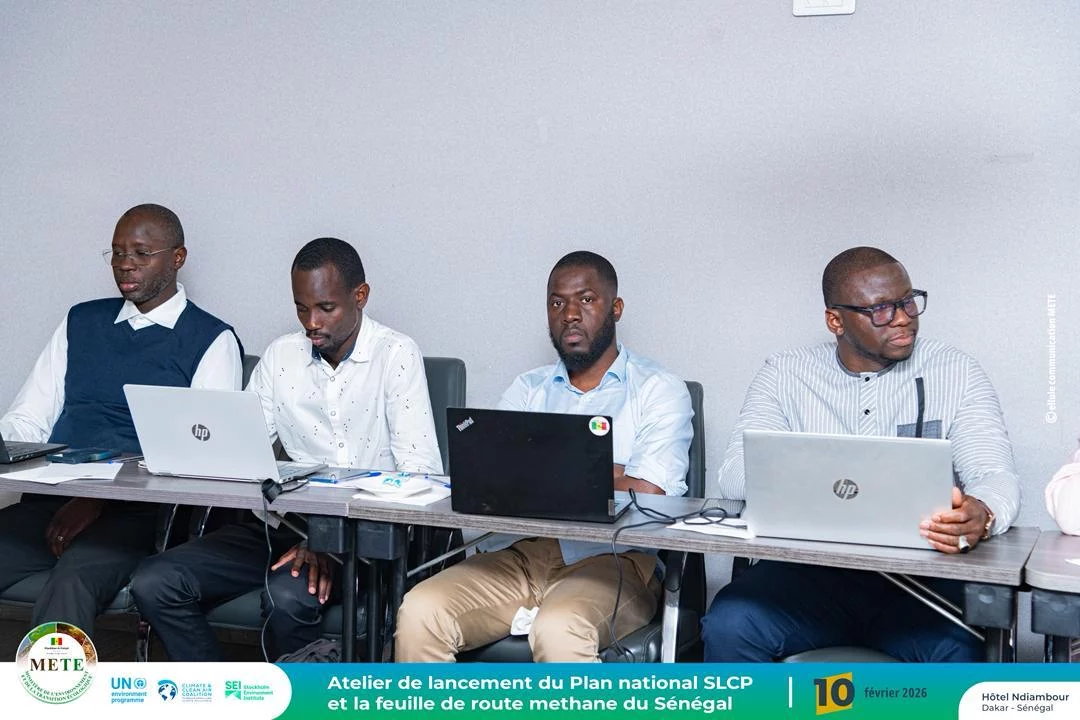
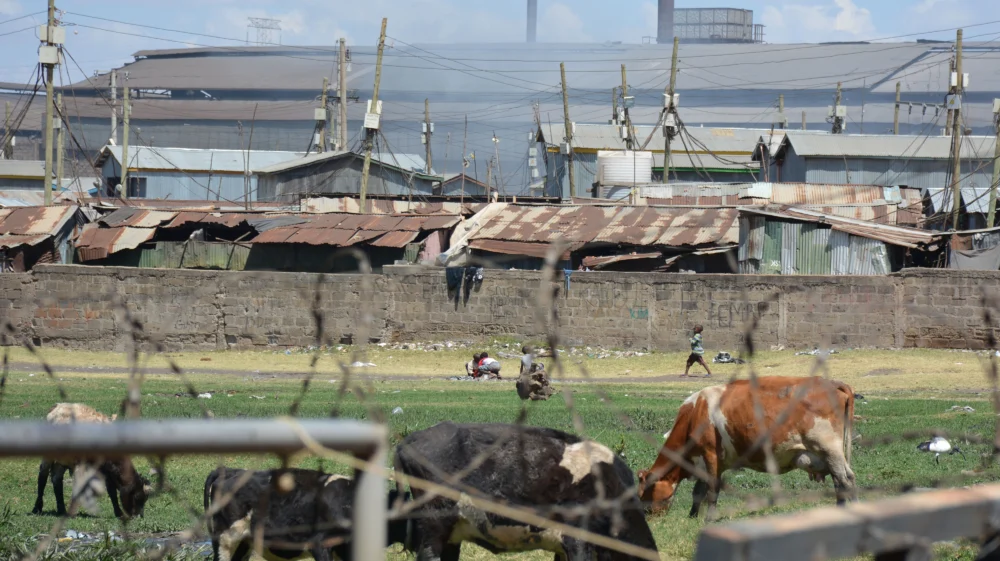
Senegal has launched a national effort to reduce methane and other short-lived climate pollutants (SLCPs), marking a major step in tackling climate change, air pollution and public health risks.
Methane accounts for roughly one-third of Senegal’s greenhouse gas emissions. Agriculture, livestock, waste management, industry and energy production are the primary sources. National methane emissions are estimated at about 390 kilotonnes per year, or approximately 0.72 tonnes CO₂-equivalent per person.
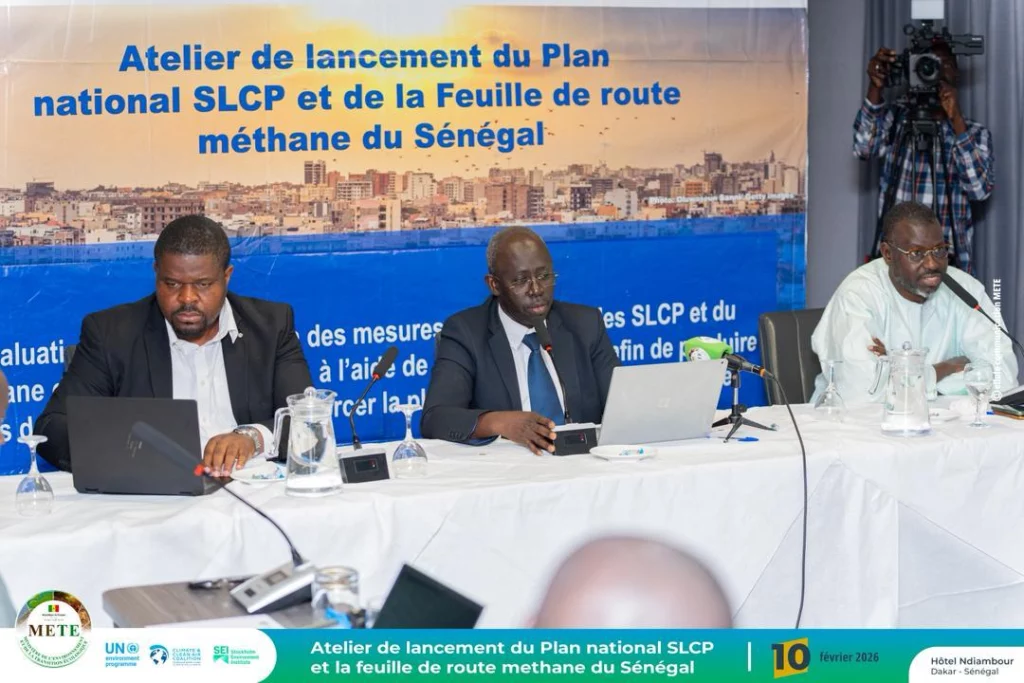
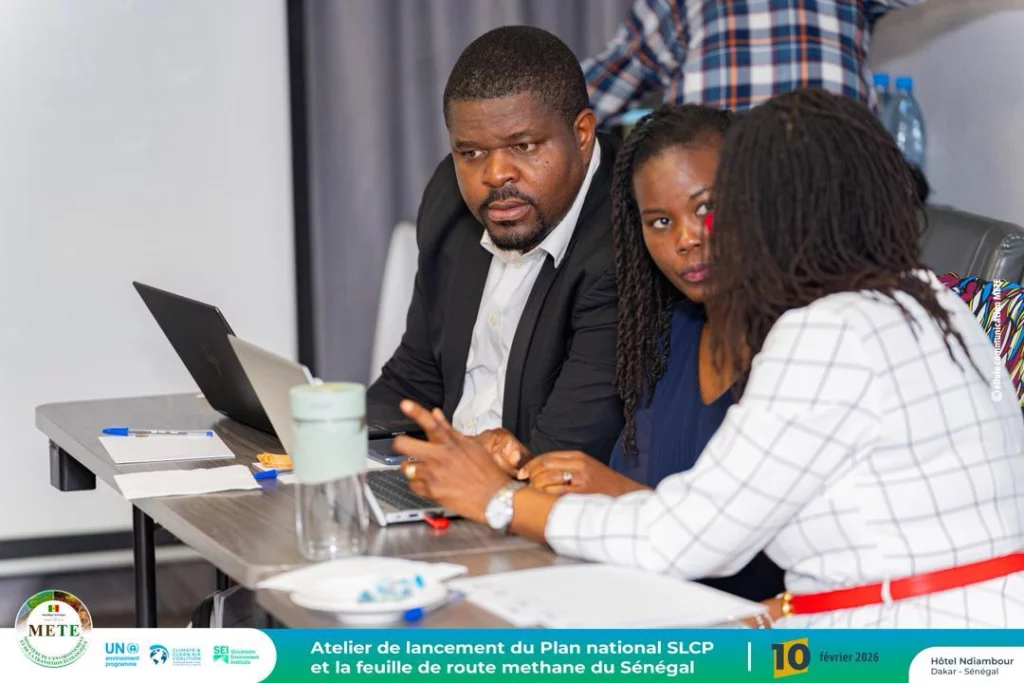
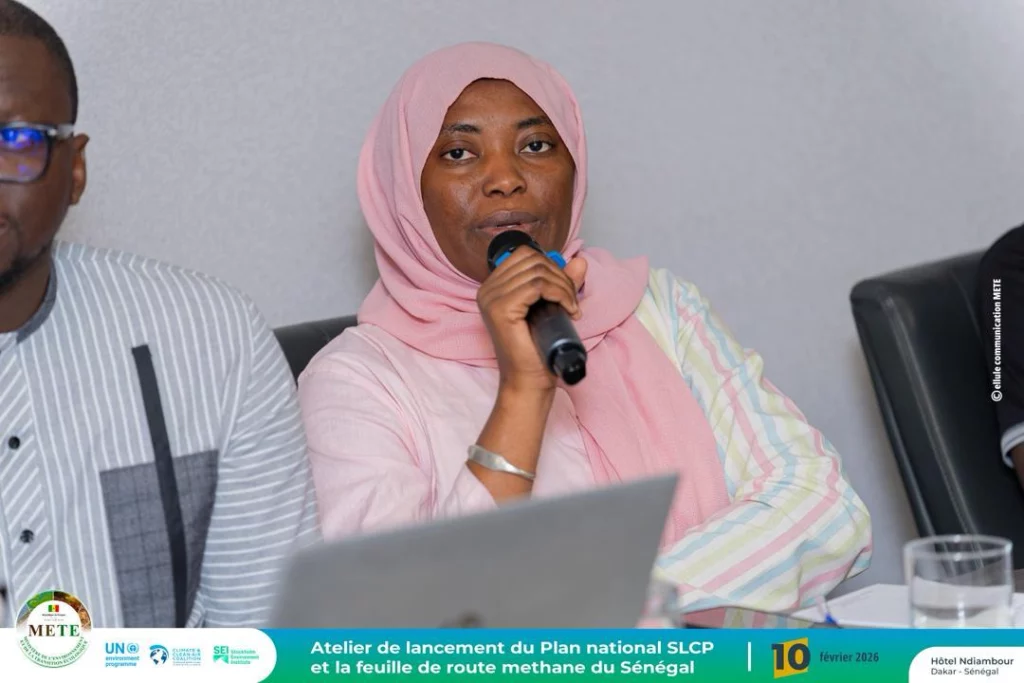
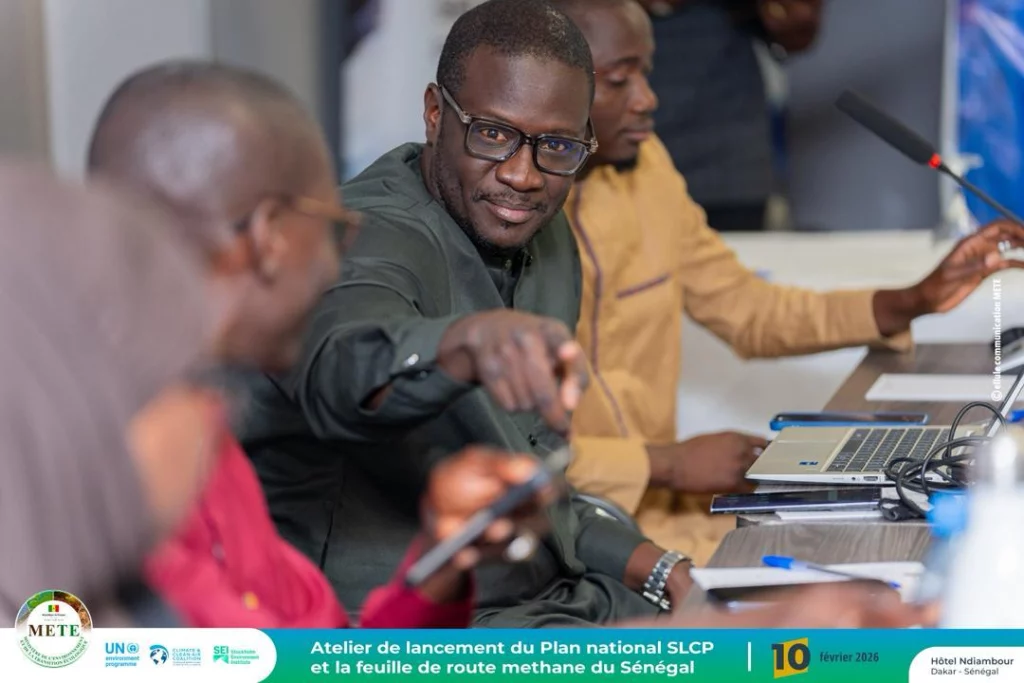
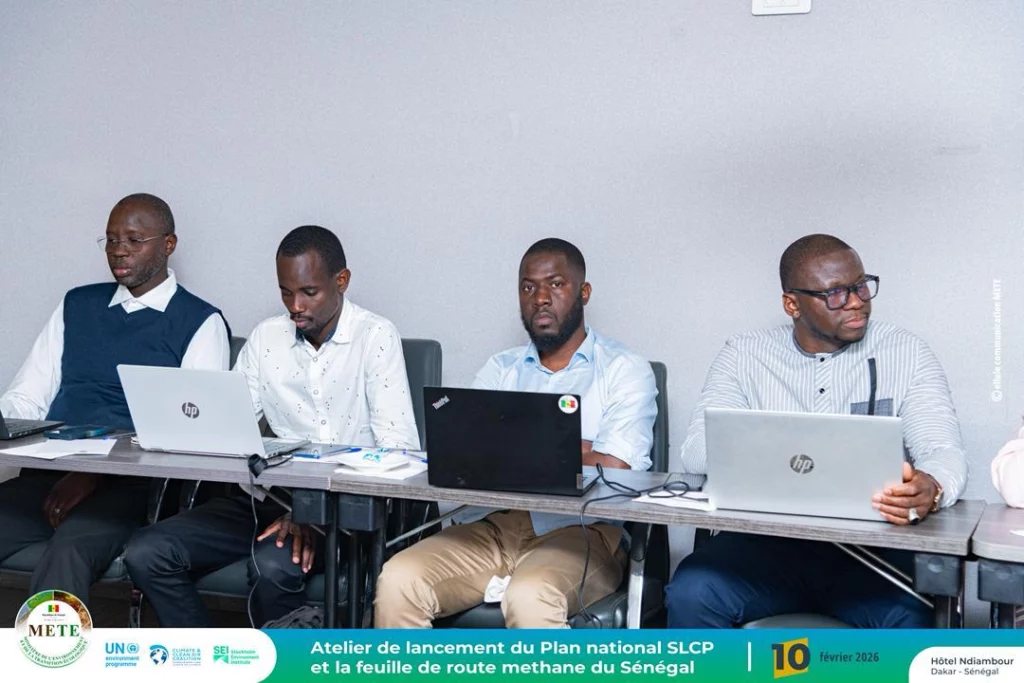
The government officially launched the National Short-Lived Climate Pollutant (SLCP) Plan and National Methane Mitigation Roadmap project in partnership with the Ministry of Environment and Ecological Transition of Senegal and the Climate & Clean Air Coalition. The initiative supports efforts to assess emissions and guide mitigation actions within national climate planning.
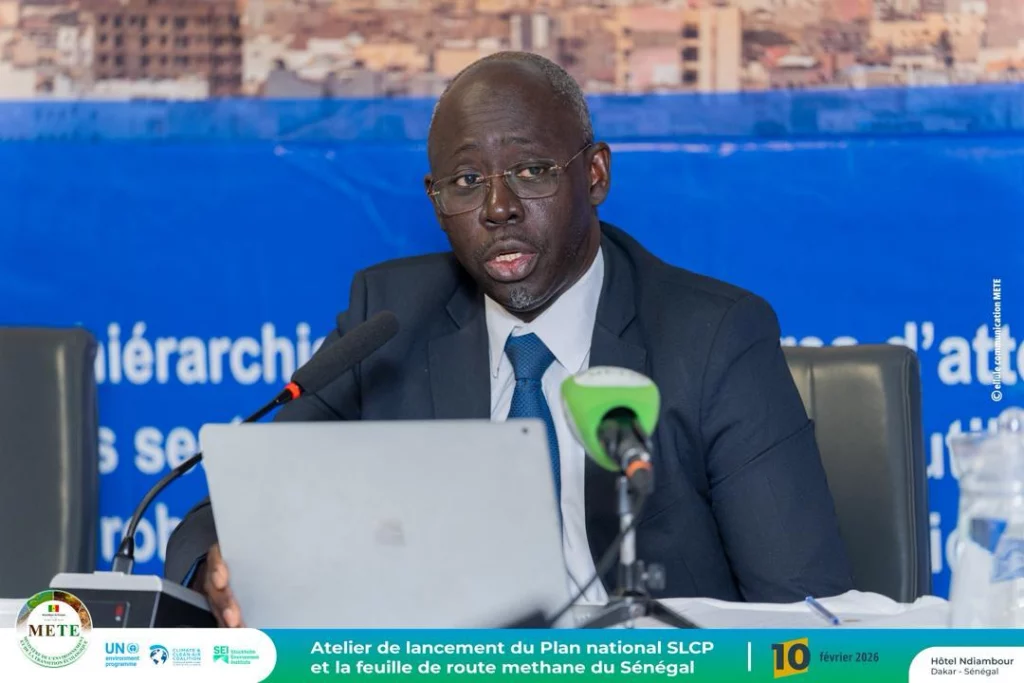
The launch was led by Dr. El Hadji Abdourahmane Diouf, Senegal’s Minister of the Environment and Ecological Transition (METE – Senegal), who presented the initiative as a coordinated response to climate change and air pollution.
The initiative comes as Senegal advances implementation of its updated Nationally Determined Contribution (NDC 3.0) under the Paris Agreement.
The project will support development of a comprehensive SLCP Plan using internationally recognized methodologies and updated emissions inventories to assess sources, mitigation potential and cost-effective priority measures. The resulting plan will be reviewed by national stakeholders to ensure institutional ownership and policy alignment.
Quantified emission baselines and sector-specific mitigation scenarios are expected to strengthen the ambition and technical credibility of Senegal’s NDC 3.0 while delivering near-term benefits for air quality, public health and sustainable development.
Methane is responsible for about 30% of global warming since pre-industrial times, according to the UN Environment Programme’s Global Methane Assessment. It is a powerful greenhouse gas, with a warming potential more than 80 times greater than carbon dioxide over a 20-year period, making rapid emission reductions critical as countries face rising temperatures, erratic rainfall and more frequent extreme weather.
For Senegal, methane mitigation offers benefits beyond climate goals. Key economic sectors that drive emissions also present opportunities to improve public health, increase energy efficiency and strengthen economic resilience. Reducing SLCPs can deliver rapid, visible benefits, including improved air quality from reduced black carbon and usable energy generated from captured methane.
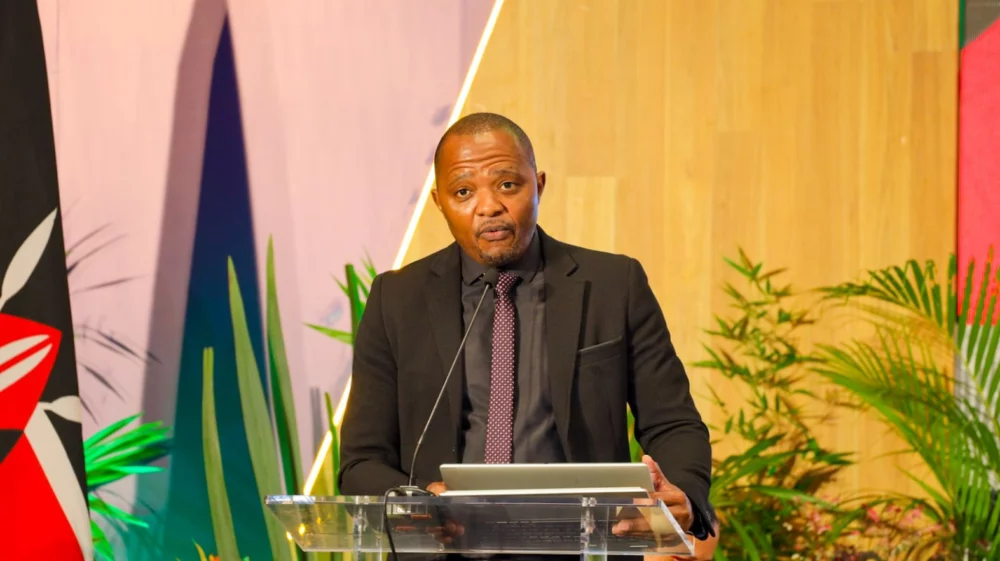
Regional collaboration is an important dimension of the initiative. As Niall O’Connor, SEI Africa Centre Director, noted during the launch workshop:
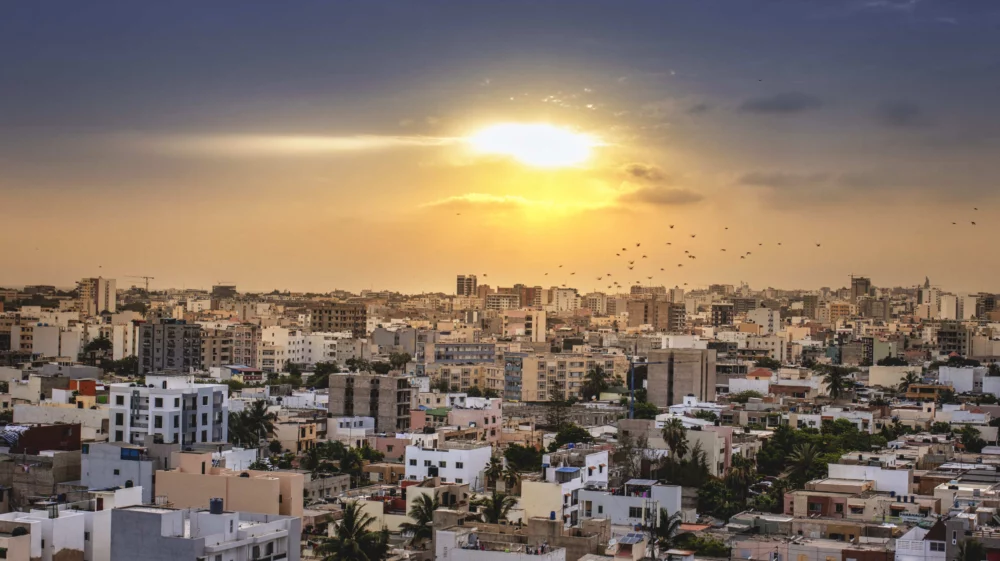
Our research shows that climate risks do not respect national borders, which is why our work across Africa takes a transboundary perspective. While this project focuses on Senegal, the vision is continental. Air pollution over Dakar, if left unaddressed, can travel as far as Mali, Mauritania, or wherever prevailing winds carry it. Africa’s climate reality is interconnected, and our responses must reflect that.
Senegal has committed to reducing methane emissions by approximately 30% by 2030, aligning with Global Methane Pledge and global methane mitigation efforts. Technical support for the project includes training, emissions modelling and integrated planning approaches designed to strengthen national capacity and ensure measurable outcomes.
By linking climate action with economic resilience, public health and youth engagement, the initiative positions Senegal as a potential regional leader in SLCP and methane mitigation.
Ultimately, success will depend on sustained commitment from government institutions, the private sector, civil society and international partners. Climate action at this scale requires continuous learning, adaptation and collaboration. The launch represents a significant step toward a cleaner, healthier and more climate-resilient future – with lessons that could inform similar efforts across West Africa and beyond.
Project / This project strengthens capacity of Senegal’s Ministry of environment and ecological transition to identify sources of SLCPs and develop mitigation measures
Tool / The Low Emissions Analysis Platform (LEAP) is a powerful, versatile system for energy planning and climate change mitigation assessment.
Media coverage / Climate experts and development partners have called for a unified national approach to methane reduction
Project / This project strengthens Somalia’s national air quality governance through policy development and targeted capacity building
Journal article / "Breathing well" is about more than air quality: cleanliness, population and building density and the presence of vegetation all make a difference.