Over the past 10 years the Trase initiative, founded by SEI and Global Canopy, has become a globally recognized source of data and intelligence, addressing deforestation in global supply chains.
The last decade, Trase – a data-driven transparency initiative for sustainable trade – has transformed from a prototype tool developed under an SEI initiative, to a globally recognized source of data and intelligence. Now, Trase is enabling leadership and strengthening accountability to address deforestation in global supply chains.
Since its start in 2015, Trase has acted as a unique, independent, science-based provider of credible data and analysis on commodity-driven deforestation. Trase has demonstrated that actions to curb this driver of deforestation are both necessary and possible. Working in partnership with actors in civil society, the initiative helped undercut any notion that supply chains are too opaque and complex to be assessed. The Trase initiative has spurred ambition to act, articulated a need for urgency, informed pioneering policies, and has continuously evaluated progress.
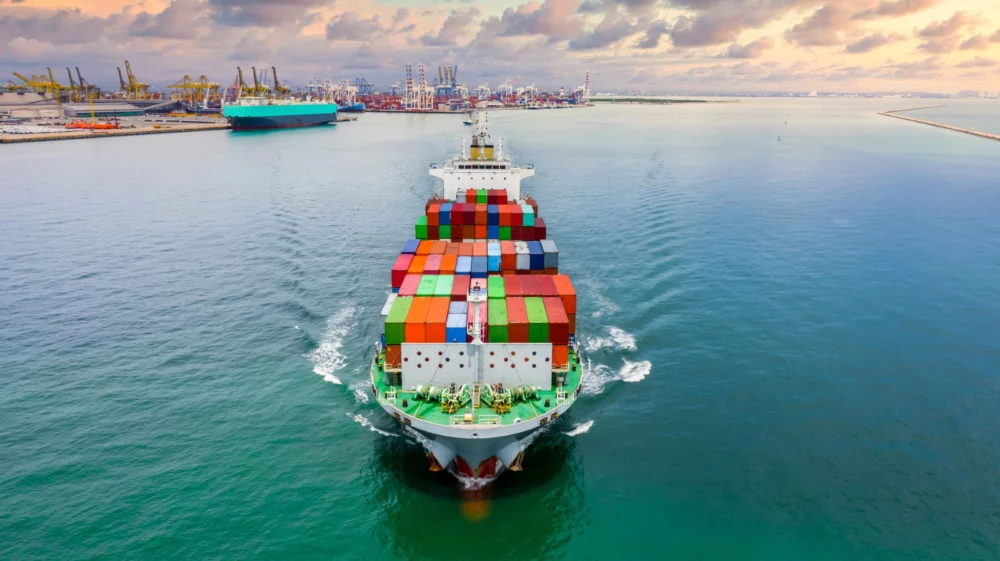
The production of internationally traded agricultural commodities – such as soy, palm oil and beef – is often linked to negative social and environmental impacts. Taking action to improve the sustainability of these supply chains requires understanding of what these impacts are, where they are happening, and which companies and markets are exposed to these impacts in their sourcing. Previously, most analyses of the impacts of consumption of traded commodities used only national or aggregated data that masked huge differences across subnational states or regions. Recognizing these limitations, SEI, in partnership with Global Canopy, developed the online open data platform trase.earth. Partly incubated under an SEI initiative and drawing on SEI research, this first iteration of Trase allowed users to explore unique data sets.
These data revealed the trade flows of key forest-risk commodities exported from South American countries and the localities of production, through the companies that buy and trade them, and to the countries that import them. Trase has since expanded to include additional commodities and regions and to provide targeted data and analyses to meet the needs of a variety of stakeholders including governments, financial institutions and commodity traders. This work cemented Trase’s reputation as a provider of credible data and analysis, and positioned the Trase team to inform decision-making globally.
One of Trase’s key achievements to date is setting the stage for the development and implementation of international and national deforestation regulation. In June 2023, the EU Regulation on Deforestation-free Products entered into force with a legal compliance framework to guarantee that the products EU citizens consume do not contribute to deforestation or forest degradation worldwide. This was followed in December 2023 by a UK regulation on Forest Risk Commodities that limits imports of commodities grown on illegally deforested land. Both regulations place unprecedented environmental conditions on commodity imports. They are widely recognized as the most ambitious and wide-reaching regulations governing the import of commodities linked to deforestation ever to be established.
Trase’s data and research played a pivotal role in making the strategic argument that these regulations are not just necessary, but also feasible to implement. Trase’s data and analysis demonstrated that the EU was the second largest market for forest-risk commodities (after China) and formed the backbone of the report, Stepping up? The continuing impact of EU consumption on nature worldwide. Published by the World Wide Fund for Nature (WWF) in April 2021 as the EU Commission developed its legislative proposal, this report underscored the urgent need for the law to address the entirety of the footprint of EU consumption on global ecosystems. It also formed a central part of the #Together4Forests campaign convened by WWF that successfully mobilized public support for the related EU regulation.
Graphic: Mia Shu, Ylva Rylander and Yani Wang
By spotlighting the commodities, companies and regions most affected, Trase data and intelligence have helped shape the scope of the EU and UK regulations in terms of both commodities and ecosystems. For example, Trase provided the underlying evidence for a civil society campaign led by Fern and Mighty Earth, highlighting the critical importance of soy cake in European imports from Latin America, motivating the inclusion of soy cake in the final scope of the legislation.
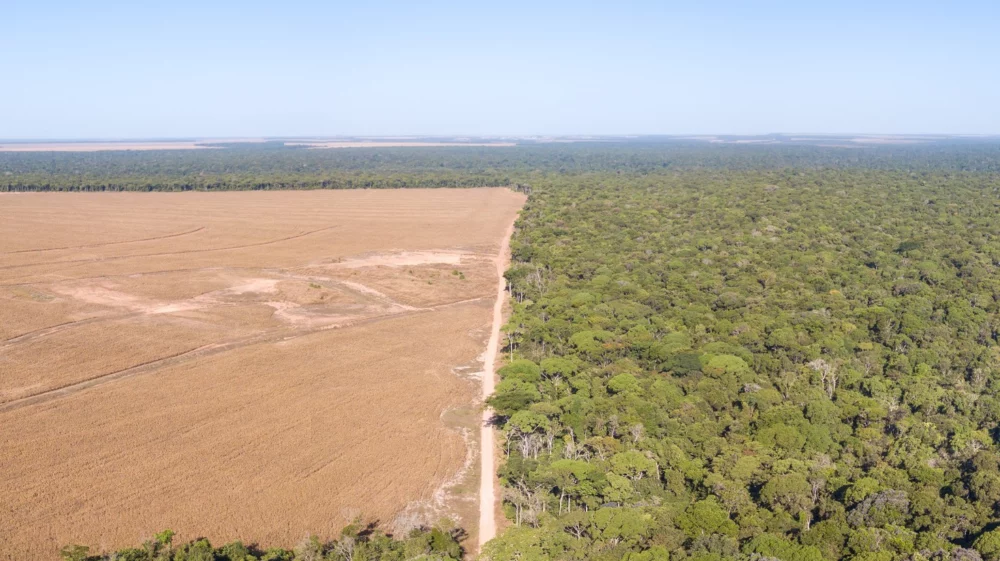
A high-profile Trase report commissioned by the Greens/European Free Alliance group in the EU Parliament in 2022 highlighted the legislation’s exclusion of the Cerrado, the world’s most biodiverse savannah ecosystem, and location of largest deforestation hotspot linked to EU commodity imports. The report helped ensure the inclusion of a targeted one-year review on the option to extend the legislative scope to include “other wooded lands”.
Trase produced significant new analysis showing – in unprecedented breadth and detail – how Germany’s import and consumption of agricultural commodities are linked to tropical deforestation.
Katja Albrecht, Advisor, German Agency for International Cooperation (GIZ)
Estimates of the UK’s deforestation footprint were made possible through the Global Environmental Impacts of Consumption Indicator, developed by SEI York and Trase. These estimates played a key role in setting the scope of the UK’s Forest Risk Commodities legislation and underpinned the work of campaigners advocating for swift action. Data from this tool are now used as an official UK Government indicator to assess the global biodiversity impacts of UK economic activity.
As a result of work in the EU and the UK, Trase is positioned to continue to be a key source of data for future scope reviews.
With regulations in place, Trase is working to support European government agencies to operationalize legislation. This work includes helping triage risk and identifying regions and supply chains that require greater scrutiny and due diligence. In 2024, Trase released the first editions of a series of 27 factsheets assessing the deforestation exposure for each EU member state via imports of commodities governed by the new regulation. These show the need for action and help identify smart, risk-based approaches to optimize compliance checks for EU member states’ enforcement authorities.
Going forward, Trase is focusing on helping to ensure that the regulation is implemented and enforced effectively, and that efforts are made to mitigate the risks of negative, unintended consequences of the legislation, including from market segregation and the risk of excluding more vulnerable smallholders from EU markets. Trase will also continue to play a key role in providing independent monitoring of the impact of the legislation, and identifying the need for additional actions to deliver on global climate and biodiversity goals.
One of the key successes and learnings involves making data open, accessible and usable. Amid an explosion of proprietary black-box data, the importance of high-quality, credible, open-access data has never been greater.
Trase provides unique, reliable data that inform our global work to stop deforestation, protect nature, and fight climate change.
Alex Armstrong, Vice President of External Affairs, Mighty Earth
Trase’s work has championed making this information publicly available and demonstrated the value of offering information in usable forms – both crucial undertakings. By simplifying supply chain connections and making them more transparent and understandable, Trase has played a crucial role in driving system-wide change for entire sectors. Key to this success is Trase’s ability to:
The four most valuable lessons learned by the Trase team during the past decade include:
Trase is a global supply chain transparency initiative co-founded by SEI and Global Canopy. The Trase team includes more than 35 researchers and communications experts across nine countries, based at Global Canopy, SEI Headquarters and SEI York.
This long-term change story, developed by SEI’s Project Communications and Impact Division in close collaboration with the Trase team, is extracted from SEI’s Annual results report 2024 (p. 23), which highlights key achievements in relation to the goals and priorities of the SEI Strategy. The report is shared with SEI’s core funders, the SEI Board, and is used to support learning across the institute.
Perspective / Trase outlines its recommendations to make the best use of the one-year delay in the implementation of the EU deforestation regulation (EUDR).
Feature / Rates of deforestation and conversion linked to the expansion of soy production in Brazil increased according to the latest Trase data for 2021–2022.
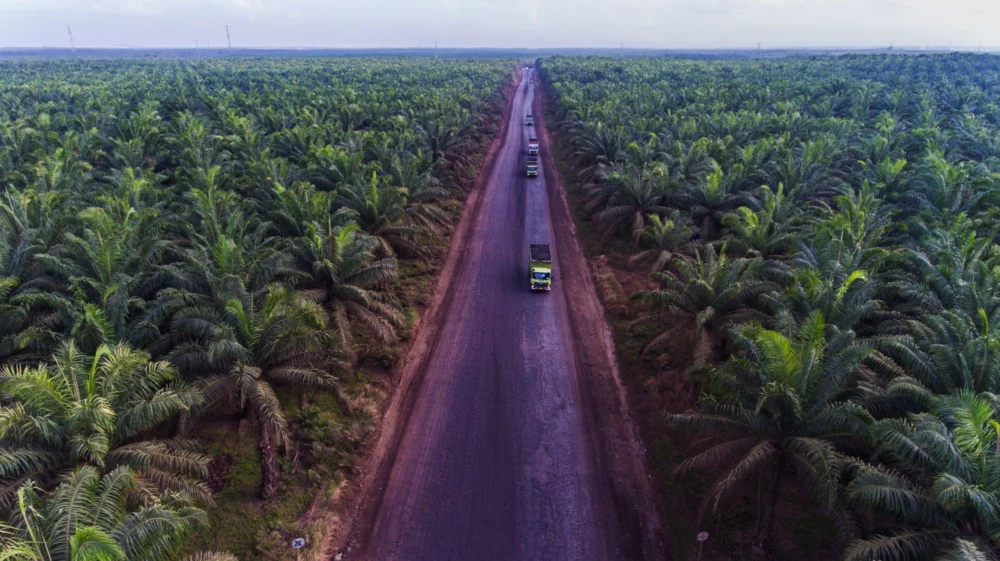
Feature / Deforestation associated with the palm oil sector in Indonesia increased slightly in 2022 after falling for nearly a decade, according to the latest Trase data.