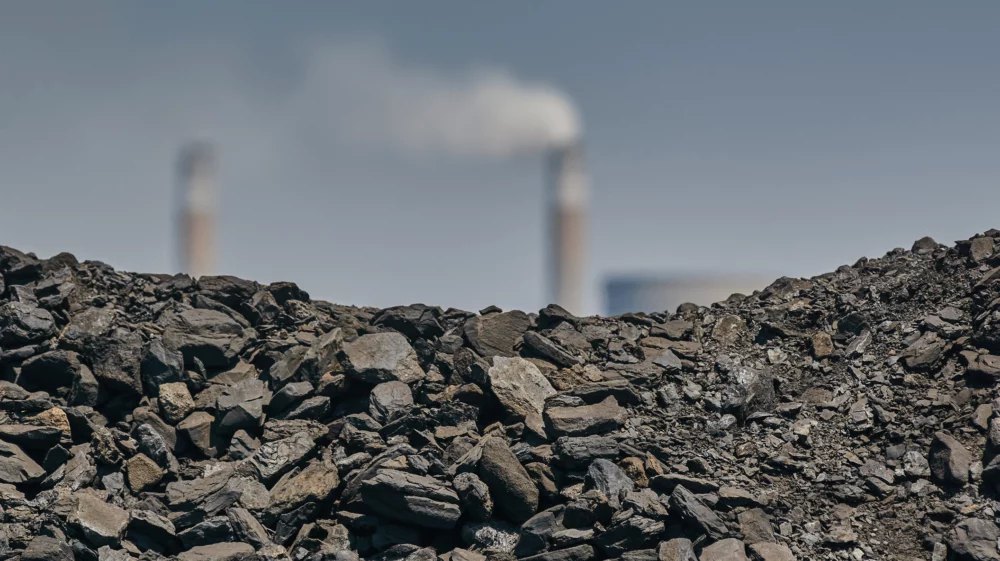
Air pollution and climate change are closely linked, and evidence consistently shows that climate mitigation actions can deliver significant air quality and public health benefits. Ghana has demonstrated strong leadership in integrating these climate mitigation agendas.
In 2021 Ghana developed their NDC and quantified the health benefits of its implementation. One of the first countries to do so.
A requirement of the Paris Agreement is to update NDCs every 5 years, a process that Ghana is now undertaking. This project aims to continue Ghana’s leadership in assessing the health benefits of its climate action by quantifying the air pollution and health benefits of its new NDC, rather than the 2021 one.
This project will address this by applying internationally recognized modeling tools – the Low Emissions Analysis Platform(LEAP), IBC tools and the US EPA-developed BenMAP health impact assessment tools – to model all 47 NDC actions.
The project will quantify greenhouse gas and air pollutant reductions, estimate avoided premature mortality from reduced air pollution exposure, and identify sectors and measures with the highest combined climate, health, and economic benefits. The analysis will directly inform Ghana’s 2025 NDC update and reporting, while supporting evidence-based policy prioritization and investment decisions.
Air pollution in Ghana contributes to over 28,000 premature deaths annually and disproportionately affects vulnerable populations, including low-income urban communities, women, children, migrants, persons with disabilities, and informal workers. By identifying and prioritizing actions that deliver the greatest co-benefits, the project will strengthen the public health and equity case for climate action and support more inclusive and just development outcomes.
Implemented in partnership with the Ghana Environmental Protection Agency (EPA) under the Clean Air Fund–EPA Memorandum of Understanding signed in December 2024, the project will strengthen national technical capacity, enhance transparency and data-driven decision-making, and elevate the role of clean air and health co-benefits in climate policy implementation.
Project / SEI works with research institutes to assess the impact of pollutants, besides CO₂, that drive climate change, and to develop climate change mitigation options.
Project / This project strengthens the capacity of Chad's Ministry of environment, water, and fisheries to identify sources of SLCPs and develop mitigation measures
Project / This project strengthens capacity of Senegal’s Ministry of environment and ecological transition to identify sources of SLCPs and develop mitigation measures
Perspective / Collective action is needed to improve air quality in Latin American and the Caribbean. This perspective highlights trends and priorities for the region.
Feature / The Climate and Clean Air conference brought together partners to discuss a shared agenda for clean air and climate change. SEI researchers share key takeaways.
Feature / SEI and Bogotá’s environment agency are collaborating on an approach to reduce black carbon.