Editor’s choice
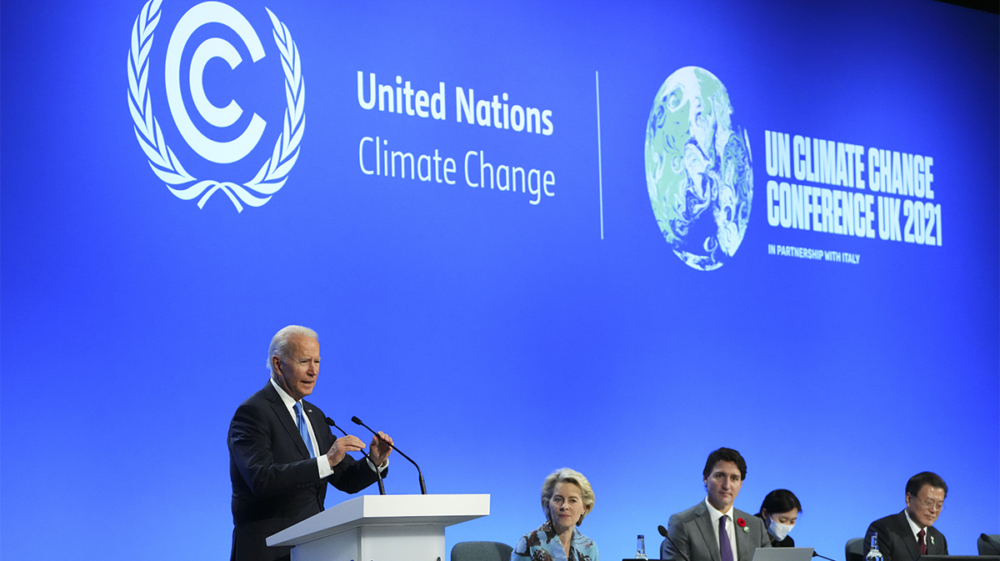
At COP28, the World Bank launched the Global Methane Reduction Platform for Development (CH4D) with the aim of achieving ‘triple wins’ in agriculture and waste sectors by reducing methane, increasing resilience and improving livelihoods. SEI will provide scientific expertise on methane emissions, promote sustainable business models, and provide advisory support to CH4D.
2024–2025
At COP28, the World Bank unveiled the Global Methane Reduction Platform for Development (CH4D), designed as a collaborative centre to support the Global Methane Pledge goal of cutting methane emissions by at least 30% by 2030 compared to 2020. The Platform focuses on accelerating efforts to mitigate methane in agriculture—specifically in livestock and rice production—and in managing solid and liquid waste. Additionally, it aims to foster greater environmental resilience and enhance livelihoods, with the bioeconomy seen as a promising avenue for development. By 2030, the initiative is anticipated to reduce methane emissions by 10 million tonnes through funded projects, support 150 million people, and establish 15 country programs.
CH4D supports client countries by engaging in policy dialogues to standardize methane reduction diagnostics and integrate strategies at national levels. It provides investment support through technical assistance for affordable technologies and financing in priority sectors. The platform also develops a robust knowledge base by updating methodologies and data systems for measurement and reporting applicable across sectors. Additionally, CH4D leverages partnerships with universities, research institutions, and the private sector to foster innovation in agrifood, energy, and waste solutions, aiming to facilitate effective methane reduction and support sustainable development initiatives.
SEI is working with the World Bank as a scientific and technical partner to support CH4D in methane reduction to accelerate action and deliver at the needed pace and scale.
SEI will provide CH4D with scientific expert advice on three main areas.
First, SEI will work with the CH4D team to develop and compile graphics on life cycle methane emissions in four key sectors: livestock, rice, waste, and sanitation. This will show where methane comes from and highlight opportunities for reducing it.
Second, SEI will help identify business models that can encourage governments to adopt methane reduction strategies compared to other business-as-usual models. This includes reducing food waste and post-harvest losses using sustainable practices while applying circularity and bioeconomy principles and experiences.
Lastly, SEI will offer advisory support to the CH4D Task Team and those receiving funding as needed.
Senior Research Fellow and Acting Team Leader - Economics of Sustainability Transitions Team
SEI Headquarters
Tool / The Low Emissions Analysis Platform (LEAP) is a powerful, versatile system for energy planning and climate change mitigation assessment.
About Climate policy, Energy access, Planning and modelling and Pollution
Project / The project will increase the capacity of NEMA and the Uganda Ministry of Water and Environment to understand the major sources of SLCPs in the country.
2023 - 2024 / About Short lived climate pollutants
Project / SEI and CCAC support Brazil's Ministry of Environment and Climate Change in developing a National Plan on SLCP to combat climate change and air pollution.
2024 - 2027 / About Cities, Pollution and Short lived climate pollutants
Feature / Discover the health impacts and cross-benefits of clean air and climate change in this Q&A with SEI researcher Chris Malley.
3 September 2024 / About Cities, Pollution and Short lived climate pollutants
Feature / Find out how reducing methane emissions can reduce the rate of global warming and achieve significant health and development benefits.
12 May 2021 / About Climate policy, Food and agriculture, Fossil fuels, Pollution and Short lived climate pollutants
Feature / SEI co-authored the Global Methane Assessment report published by the United Nations Environment Programme (UNEP) and Climate & Clean Air Coalition (CCAC).

24 November 2022 / About Climate policy, Climate services, Pollution and Short lived climate pollutants