For the International Day of Clean Air for blue skies 2024, SEI York Senior Research Fellow Chris Malley discusses how tackling air pollution can address climate change and deliver major health benefits.
This year’s theme, “Invest in #CleanAirNow,” calls for urgent action and stronger partnerships to combat air pollution – an investment that could save billions in healthcare costs. Celebrated annually on 7 September, the day reminds us of the critical need for cleaner air and a healthier planet.
“Air pollution is one of the biggest risk factors for human health and premature death worldwide, and we’ve known this for at least 15 years.”
Chris Malley speaking about the methodology to help companies map their air pollution footprints at the launch of the Alliance for Clean Air at COP26.
Photo: Clean Air Fund.
How did you begin working in your area of research?
About ten years ago, I was working on my PhD, focusing on air pollution levels at two sites in the UK. During that time, I began to see the broader social and environmental consequences of what we put into the atmosphere. This realization sparked my interest in how we can stop treating the atmosphere like a sewer and find better ways to handle our emissions.
I met Prof. Kevin Hicks at a conference, and he introduced me to SEI. Since joining SEI, I’ve seen many examples of how important it is to understand our impact on the atmosphere. The air we breathe has a profound effect on our health, climate and food security. Over the past decade, my focus has shifted from a narrow regional and scientific perspective to a broader understanding of our overall impact on the atmosphere. This journey has reinforced my belief that changing how we treat the atmosphere is key to addressing both social and environmental challenges.
What is your area of research?
At SEI, our group focuses on finding and assessing strategies to reduce emissions into the atmosphere. We create storylines of how society might change over the short, medium and long term and then translate these stories into quantitative projections of future emissions affecting air pollution and climate change. These storylines encompass “worst-case” scenarios where no policies are put in place, and fossil fuel use continues to drive economic growth. We then look at how different combinations of actions can reduce emissions compared to this worst-case scenario. Finally, we assess how these measures could not only reduce emissions but also improve public health by cutting exposure to air pollution.
One recent project involves improving the way we assess health impacts of air pollution for the future. We reviewed traditional methods of predicting future deaths due to air pollution and pointed out their limitations, especially given the uncertainties around future mortality rates. To address this, we’ve proposed a new demographic model that offers a more consistent way to understand these relationships, potentially revealing greater future health impacts if current pollution levels remain unchanged.
Our research also explores the crucial role of overall health in mitigating the impacts of air pollution. Most strategies focus on reducing exposure to air pollution, which is essential. However, we also believe that improving population health is significant in reducing deaths linked to air pollution. Our current research shows that the main reason for fewer deaths from air pollution isn’t just less exposure; it’s also that people are healthier. It makes sense: healthier populations, with better access to healthcare, are less vulnerable to health risks like air pollution. By integrating actions that enhance public health into air quality strategies, we aim to achieve the fastest reduction in pollution-related deaths.
“We stress the need for systemic changes to address the root causes of pollution, especially in low- and middle-income countries where pollution levels remain high.”
What is the current global situation regarding air pollution and its impact on human health?
What I want people to understand is that air pollution is one of the biggest risk factors for human health and premature death worldwide, and we’ve known this for at least 15 years. Despite this, air pollution is often underestimated as a health threat compared to other risks that get more attention. But that is changing, especially with recent findings from the Global Burden of Disease study.
This Global Burden of Disease assesses various risk factors that affect human health and quantifies the number of deaths linked to each risk. Over the past decade, air pollution has consistently been identified as one of the leading health risks. The latest report, released about a month ago, ranks air pollution as the second most significant health risk globally, highlighting the urgent need for attention and strategies to mitigate air pollution.
How does your research help us understand the impacts of air pollution and climate change, and develop plans to address them?
We work with countries to help them prepare and set climate goals and strategies, which are outlined in their nationally determined contribution or NDCs. For example, in Nigeria, we collaborated to enhance their climate ambitions, and now they aim to cut greenhouse gas emissions by 47% by 2030. Through our analysis with Nigeria’s Federal Ministry of Environment, they became the first country to quantify the health benefits achievable by implementing the climate goals in their contribution plan, which includes preventing around 30 000 premature deaths caused by air pollution.
By focusing on the human impact and local benefits, rather than just emission reduction targets, the plan becomes more compelling. The challenge now is making sure these plans, informed by our research, transition from paper to action, especially in regions like Latin America, Africa and Asia, where funding is often limited.
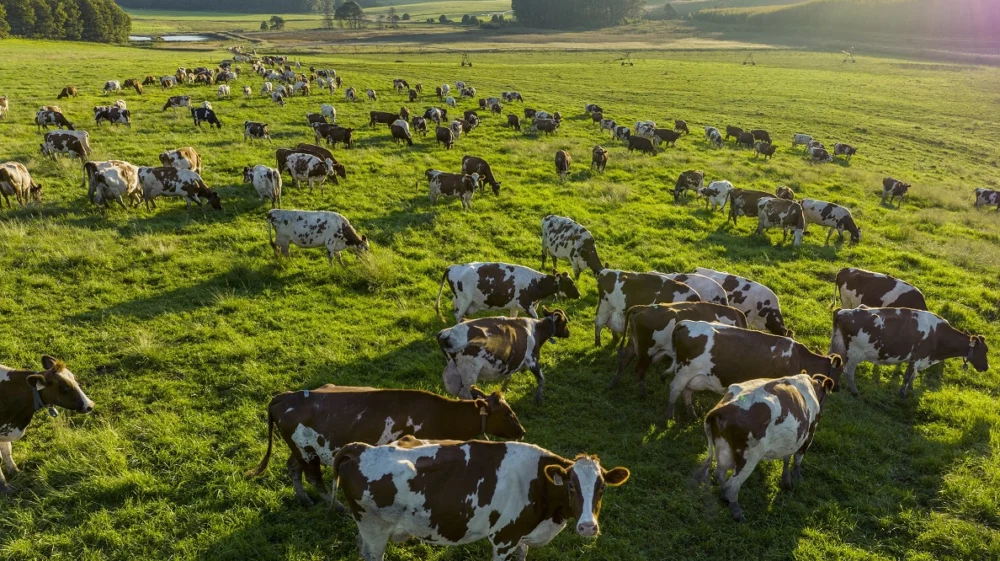
Our research also explores the link between agriculture, food systems, and their role in combating climate change and reducing air pollution. Agriculture is a significant source of air pollution, from ammonia in fertilizers and manure to emissions from burning agricultural residues and methane contributing to ozone formation, which can harm respiratory health. In collaboration with the Climate and Clean Air Coalition and the Food and Agricultural Organization of the United Nations, our upcoming assessment will look at how changes in food production practices can help mitigate climate change and reduce air pollution. This includes not only technical changes but also systemic actions like reducing food waste and red meat consumption, which not only helps tackle climate change but also reduces agricultural air pollution and health risks associated with high red meat consumption.
Our focus is on finding strategies that offer multiple benefits, emphasizing systemic changes over technical fixes to comprehensively address air pollution.
Senator Sherry Rehman, Pakistan’s former Minister for Climate and Environment, speaking with Chris Malley and SEI about air pollution policy frameworks for the country.
Photo: Senator Sherry Rehman.
How can we collectively address the critical issue of air pollution in our communities and beyond?
It’s essential to understand that air pollution is not an inevitable health risk. We have seen successful examples from places like Europe, North America and China, where air pollution has significantly decreased over the past few decades. These cases show that we have effective strategies to combat air pollution and reduce its impact. But our approach needs to adapt to the urgent need to tackle climate change. High-income countries, especially those with a history of high emissions, must aim to cut global emissions by half by 2030 and reach net-zero by 2050.
Historically, efforts to reduce air pollution have relied on technical solutions aimed at specific pollutants, many of which also relate to climate change. Burning fossil fuels releases a range of pollutants, and while methods like particle filters in vehicles and stack filters on top of industrial chimneys help, they don’t address the carbon dioxide that contributes to greenhouse gas emissions.
To address both air pollution and climate change effectively, we need more systemic changes. For instance, prioritizing walking, cycling and public transport over personal vehicles not only improves air quality but also cuts carbon emissions. This approach has multiple benefits: it helps mitigate climate change, promotes physical activity and better health, and reduces urban congestion by promoting shared public transport.
Working to address challenges which threaten to human health, food security, ecosystems and livelihoods.
Project / SEI works with research institutes to assess the impact of pollutants, besides CO₂, that drive climate change, and to develop climate change mitigation options.
Project / This project develops a tool for AI-powered text analysis to be tested in systematic evidence synthesis reviews of research and policy papers.
Project / The project works with the Bogotá Environmental Agency to develop diverse pathways for air quality management.
Project / SEI provides scientific inputs and policy action advice to the World Bank Global Methane Reduction Platform for Development -CH4D
Journal article / "Breathing well" is about more than air quality: cleanliness, population and building density and the presence of vegetation all make a difference.
Project / Lao PDR is developing its first National Clean Air Strategy, drawing on emissions data, mitigation analysis and health benefits to guide action.