Editor’s choice
see in Swedish
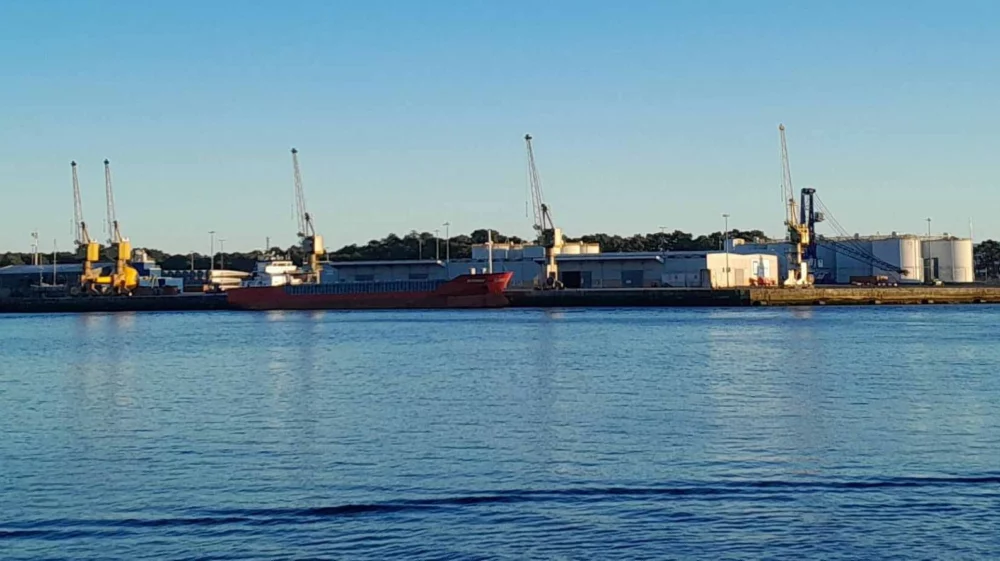
KRAFT is a research environment aimed at strengthening Sweden’s supply preparedness and capacity to address climate-related disruptions. The focus is on understanding and managing cascading effects between critical supply systems such as food, drinking water and energy.
Photo: MSB/Thomas Henrikson
2025–2030
Climate change, geopolitical tensions and Sweden’s strong dependence on global supply chains create new risks for critical societal functions. The Swedish Defence and Resilience Agency (MCF) is therefore funding the research environment KRAFT – Climate-Adapted Resilience and Supply Preparedness in Sweden. Leading researchers from SEI, the Swedish Defence Research Agency (FOI), the Royal Institute of Technology (KTH) and Lund University are collaborating to support authorities with research, methodology development and capacity building.
The research environment aims to increase resilience across society, from local government to national and international decision-making.
A central part of KRAFT is to understand and strengthen the ability to maintain the flow of critical goods and services. The research will explore how disruptions in production, transport and storage can create cascading effects between sectors and threaten vital societal functions.
The work involves scenario planning, modeling and network analyses to show how shortages can be managed – for example through emergency stockpiling, redundancy, alternative logistics solutions or new partnerships. Particular emphasis is placed on identifying dependencies between sectors and developing tools to prioritize critical flows during crises.
Team Leader: International Climate Risk and Adaptation; Senior Research Fellow
SEI Headquarters
KRAFT is funded by the Swedish Defence and Resilience Agency and is a collaboration led by SEI together with the Swedish Defence Research Agency (FOI), the Royal Institute of Technology (KTH) and Lund University.
Feature / KRAFT is launching to enhance Sweden’s capacity to handle security threats and climate-related disruptions.
20 October 2025 / About Adaptation, Disaster risk, Geopolitics and Supply chains
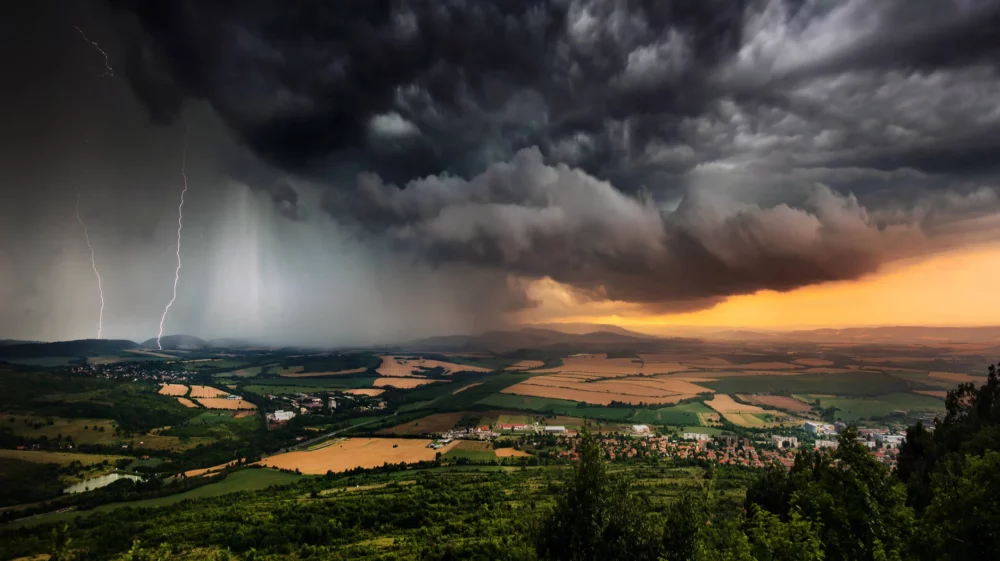
Project / This project addresses new and complex risks linked to the climate crisis and other societal changes.
2024 - 2027 / About Adaptation and Disaster risk
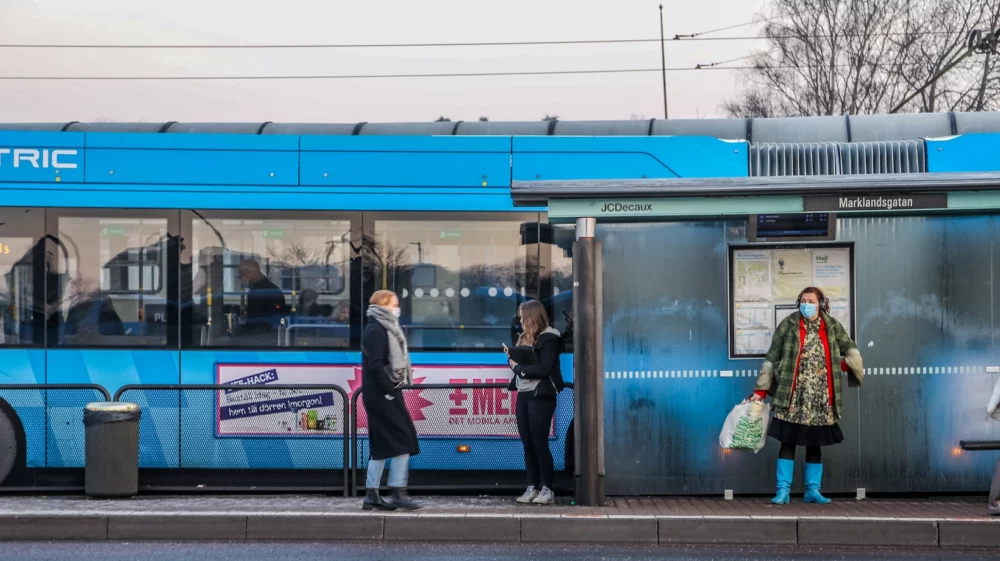
Project / This project examines strategies to enhance the resilience of public transport amid the shift to new technologies and evolving user behaviours.
2024 - 2027 / About Public policy and Transport
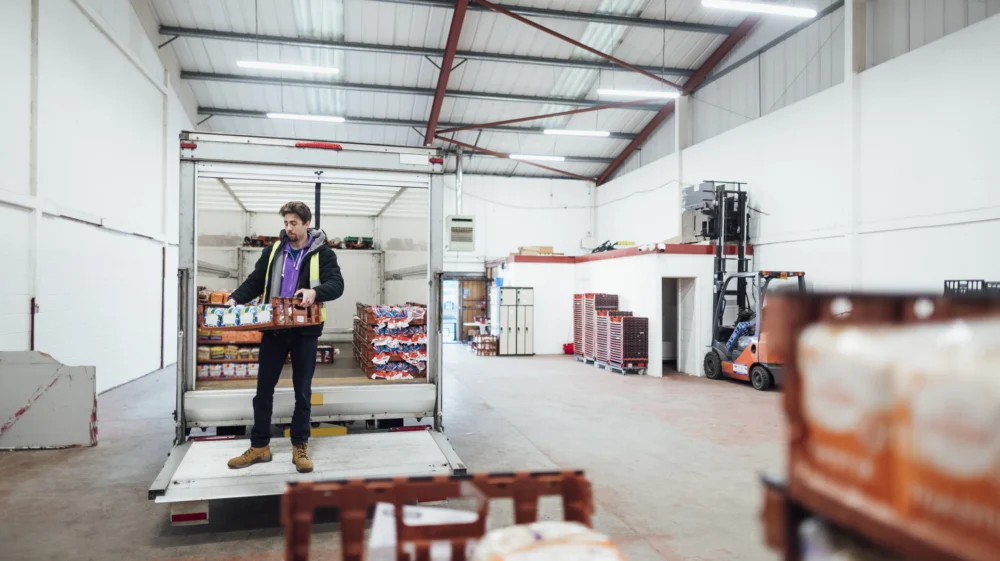
Project / This project aims to build resilience in the global food system by exploring trade and environmental connections between distant global geographies.
2024 - 2026 / About Adaptation and Disaster risk
SEI report / How do adaptation policies and governance acknowledge and respond to the systemic nature of climate change?
29 May 2026 / About Adaptation
Past event / A webinar about land claims, land use conflicts, the state of Sámi rights and rule of law in the Nordic countries.
05 June 2026 / About Adaptation and Public policy
Press release / New data from LeadIT shows that less than 2% of total global emissions from the cement industry are projected to be captured by 2035.
25 May 2026 / About Climate policy, Public policy and Supply chains