SEI will conduct an evidence synthesis from Swedish and international studies on varying charging infrastructure needs across different types of vehicles and users. Our project results will inform policy makers and businesses planning to improve charging roll-out strategies.
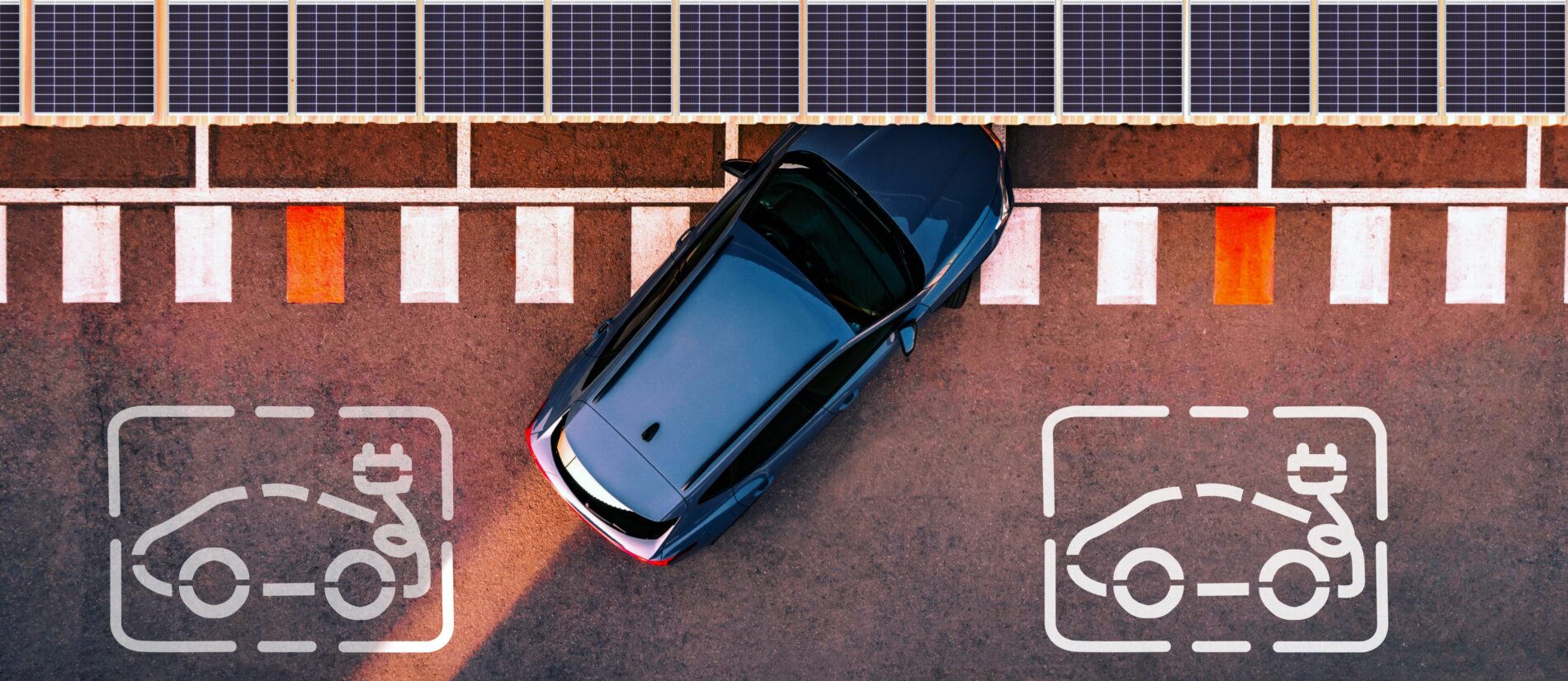
Photo: Artur Debat / Getty Images
Electric vehicle (EV) adoption in Sweden should accelerate to achieve the 2030 domestic transport target for 70% emission reduction compared to 2010 and the 2045 national target for net-zero greenhouse gas emissions. Equitable access to socioeconomically effective charging infrastructure can increase EV attractiveness across various transport segments and is critical for both electrified personal vehicles, as well as light and heavy-duty freight vehicles.
In this project, we conduct a comprehensive and rigorous synthesis of best available evidence from Swedish and international studies on varying charging infrastructure needs across types of vehicles and users. Project results will inform decisions in policy and businesses to improve charging roll-out strategies. The project will facilitate understanding of technological prerequisites, policy instruments, and analytical methods aiming at equitable charging infrastructure deployment in Sweden.
This project will inform decisions in policy and businesses to improve charging infrastructure planning. It will define key research areas to further explore technological improvements, policies, and analytical methods aiming to support deployment of adequate, cost competitive and equitable charging infrastructure. More specifically, the following questions are central to the research:
The project is focused on outreach and making lessons available to planners and stakeholders through project reports and policy dialogues.
Figure 1: Schematic illustration of project methods. Graphic: Maria Xylia / SEI
Journal article / This article systematically reviews global research on electric vehicle charging infrastructure demand.
Press release / A systematic review shows that each charger could support up to 135 EVs – far above today’s global average of just 11.
Past event / Welcome to an online webinar to learn more about the current state of research for charging infrastructure demand.
Past event / Join SEI experts for the annual Swedish political forum in Visby, as they share their insights on security, AI, climate, energy, oceans and industry transition.
Project / Creating practical tools for decisionmakers in Lund to leverage sustainable consumption and socially just climate transitions.
SEI report / This report explores the value of - and offers guidance for - engaging citizens in governance to build climate-neutral, sustainable and resilient cities.