Faced with an uncertain future, serious games and tools for tracking participation make it possible to explore scenarios, compare consequences and develop alternatives with those who live in and manage water systems. This innovation, developed through TRANSCEND, was recently recognized by the European Union.
Making decisions about water is particularly complex given we cannot know what the future will bring. Water scarcity and climate change can intensify ecological, social and economic risks, while different users’ needs and interests do not always align. So how can we determine which alternatives are likely to work – and which might create new tensions?
Innovation is key. Responding to water scarcity in equitably and sustainably requires more than designing new adaptation policies; it also means transforming long-established water management practices. This requires evidence, trust and spaces where the consequences of different decisions can be explored before they are implemented.
This central to the work of TRANSCEND, a European Union-funded project developing tools that connect scientific models with the experience and priorities of different stakeholders, supporting better water management decisions.
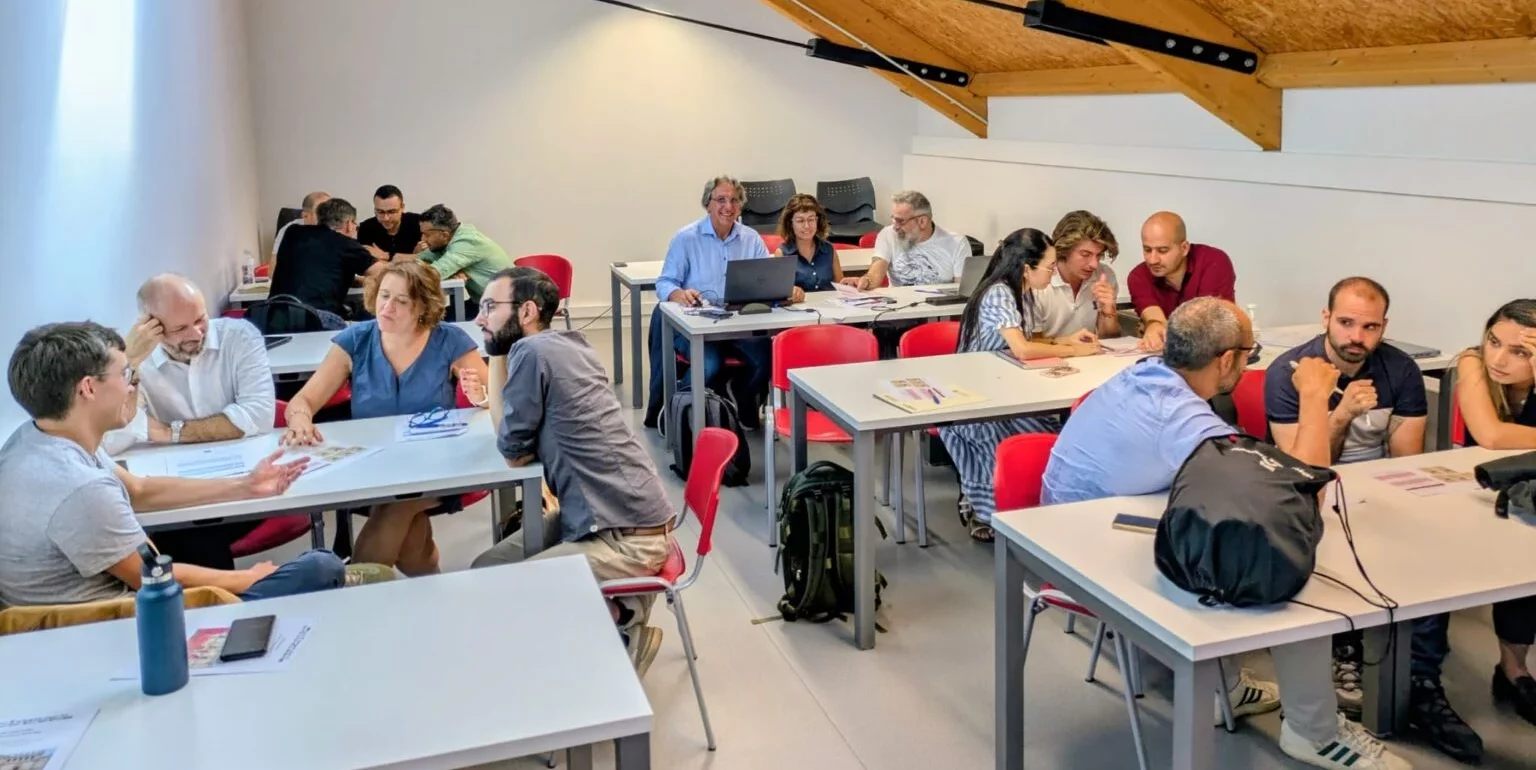
One of these innovations is the Scenathon methodology, which uses serious games informed by data and models to explore how different water management decisions could lead to different outcomes across a range of possible futures.
Unlike a conventional game, the aim is not to win or lose. Participants make decisions within a simulation and observe their potential effects on water availability, production, ecosystems and economic outcomes. This allows them to compare alternatives, identify tensions between competing objectives, and discuss the consequences of a decision before applying it in a real-world water system.
TRANSCEND’s Scenathons draw on hydrological, climate and economic models tailored to the users’ water system. The scenarios are therefore not purely hypothetical exercises; they are grounded in the conditions and dynamics of each local context.
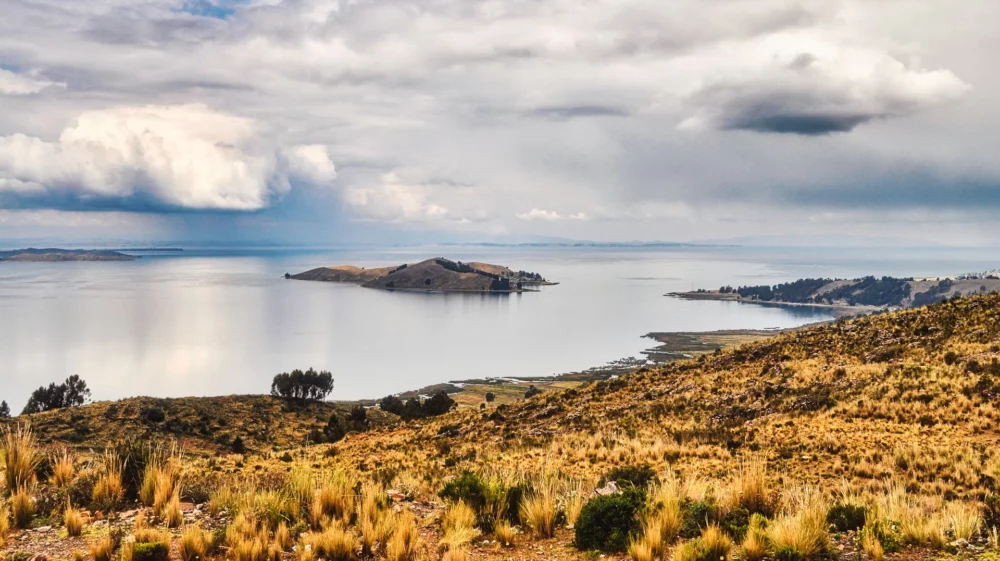
In the Titicaca–Desaguadero–Poopó system, shared by Bolivia and Peru, for example, the project has combined hydrological and economic modelling with serious games to explore, together with local stakeholders, the relationships between water availability, agriculture and economic outcomes. The exercise highlights the effects of different decisions and supports collective learning around a complex, shared water system.
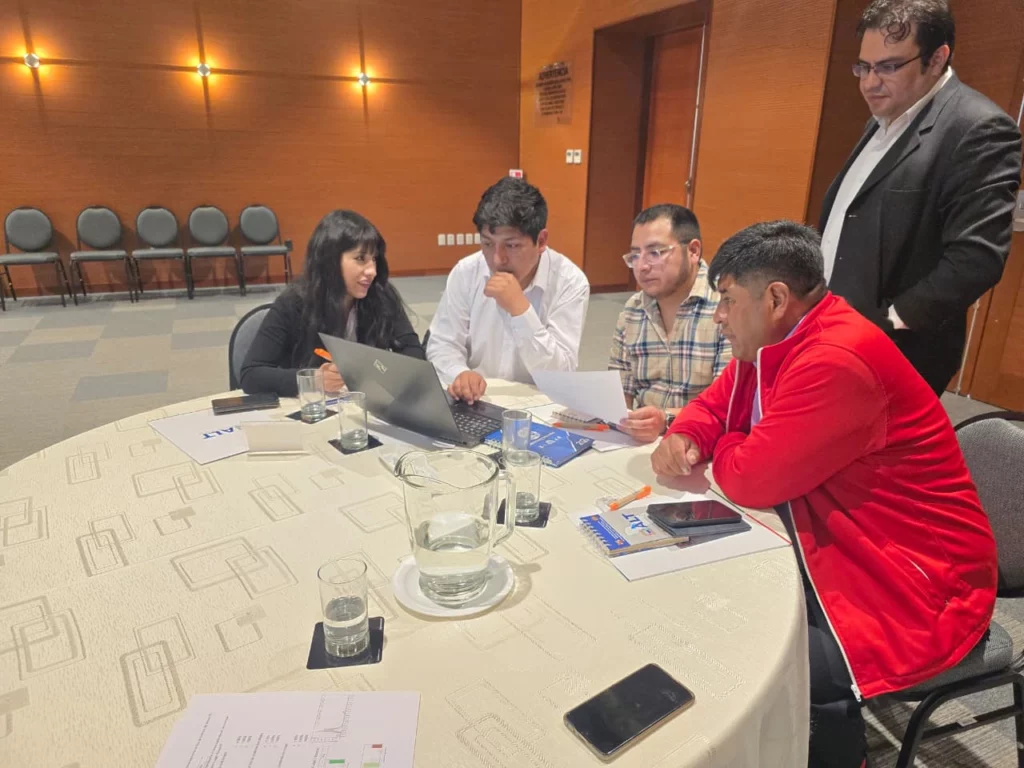
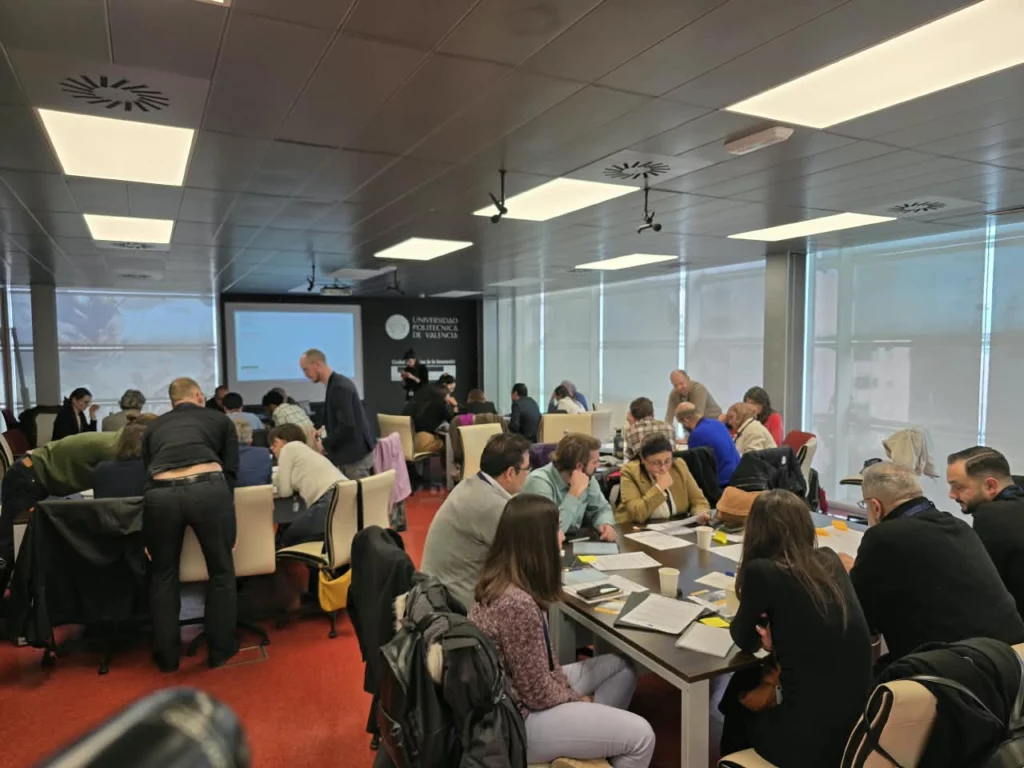
Alongside exploring the consequences of different decisions, TRANSCEND also examines how stakeholders participate in water management.
Holding a workshop or bringing different sectors together does not itself guarantee a meaningful participatory process. It is also important to understand who participates and how, which voices are represented, which are missing, and how the conversation evolves over time.
The project uses indicators and monitoring tools to track stakeholder engagement and generate information about these processes. This makes it possible to adjust participation as the process unfolds, rather than assessing it only at the end.
More than a technical challenge, managing a limited resource also requires reconciling perspectives, needs and priorities that may conflict. Participation does not replace scientific evidence. Instead, it creates opportunities to bring that evidence into dialogue with the knowledge, experience and concerns of those involved in water management. This interaction is essential for developing alternatives that better reflect local conditions and are more likely to be put into practice.
These tools are part of a broader approach. TRANSCEND is developing an innovation ecosystem that combines knowledge networks, modelling, serious games, monitoring tools and a global network of Living Labs, where peer learning supports adaptation to water scarcity.
Scenathon was recently recognized by the European Commission’s Innovation Radar, an initiative that identifies promising innovations developed through EU-funded projects. The assessment identified Fundación IMDEA Agua, Fondazione Centro Euro-Mediterraneo sui Cambiamenti Climatici, and the Stockholm Environment Institute as key innovators.
The assessment placed Scenathon responds to existing needs in water management and adaptation to water scarcity. Its recognition reflects the growing importance of tools that allow people to explore uncertainty collectively.
This recognition highlights the value of creating tools that do more than produce technical results – they help different stakeholders understand, discuss and use those results in real-world decisions.
Tania Santos, Water Team Lead at SEI Latin America
TRANSCEND (Transformational and Robust AdaptatioN to water Scarcity and ClimatE chaNge under Deep uncertainty) is a Horizon Europe project working across water systems in Europe, Latin America, Asia and the Middle East. It aims to advance transformative adaptation policies for water scarcity that remain robust under uncertainty while also delivering equitable and sustainable outcomes.
Project / Horizon Europe project advancing innovative, participatory approaches to water management and climate adaptation under deep uncertainty.
Feature / SEI uses a tool known as serious games to test water management policies and promote communication among local communities.
Journal article / SEI researchers and Corpocaldas address the challenges of multi-stakeholder participation in watershed management using serious games.
Journal article / Read about the toolkit of games for building learning on resilience among urban low-income communities.