The report outlines 15 key measures to provide clean air for over 250 million ASEAN residents by 2030, reducing PM2.5 by 50–70%. The assessment recommends strengthening existing policies for 40% of the needed reduction. Its goal is a healthier future, urging action to implement science-based solutions.
The Climate and Clean Air Coalition (CCAC) and the Association of Southeast Asian Nations (ASEAN) joined UNEP to launch the Clean Air and Climate Solutions for ASEAN report during the 2025 Climate and Clean Air Conference in Brasília, Brazil. This report addresses critical air pollution and climate change challenges in Southeast Asia, aiming to improve air quality for millions while mitigating climate impacts.
The assessment authors identify 15 key measures that can potentially ensure over 250 million people breathe clean air by 2030 – while achieving a 50–70% reduction in PM2.5 levels. These solutions also promise significant climate benefits, including reductions in black carbon (–70%), methane (–39%), HFCs (–75%), and CO2 (–25%) emissions by 2030. The authors stress that a significant portion of these improvements (approximately 40%) can be attained by enhancing the enforcement of existing policies, emphasizing that better implementation is crucial for real progress.
The assessment authors’ entry points cover sectors such as energy, industry, transport and maritime shipping; pollution controls, including agricultural burning, waste management and waste burning; and practices related to consumption and production, such as dietary changes, livestock and fertilizer ammonia reduction, and scaled implementation through finance and governance.
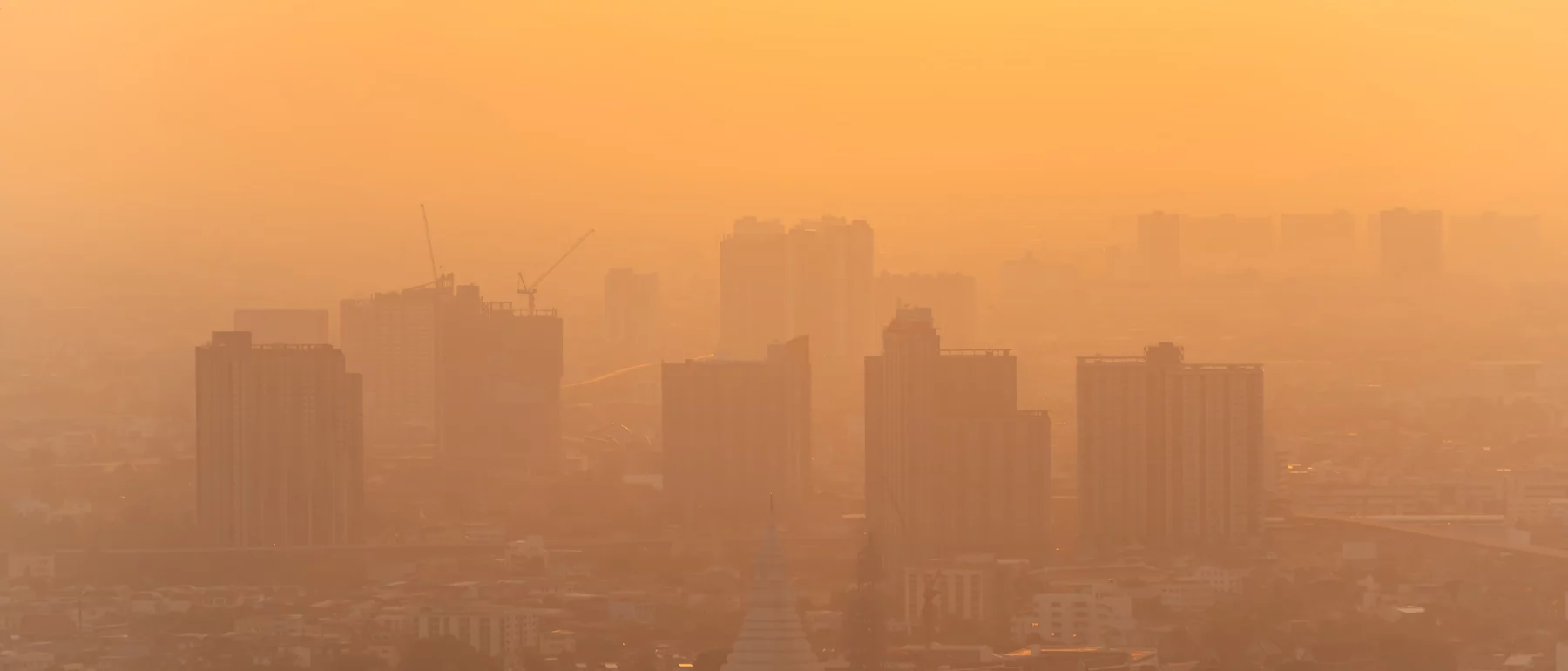
The findings underscore the need for ASEAN nations to adopt science-based strategies for a sustainable and healthier future. Air pollution currently affects over 85% of the ASEAN population, with many people exposed to levels exceeding WHO guidelines. The authors warn that without intervention, the number affected by high pollution levels could rise to 170 million by 2030.
The authors recommend regional cooperation among ASEAN countries to integrate air quality management with climate change planning. Countries such as the Philippines, Thailand and Cambodia are highlighted as potential leaders, as well as Viet Nam and Indonesia.
Tool / The Low Emissions Analysis Platform (LEAP) is a powerful, versatile system for energy planning and climate change mitigation assessment.
Project / SEI is coordinating production of a scientific report for policy makers on the potential methods, and benefits from simultaneous mitigation of air pollution.
Other publication / The 2024 Global Nitrous Oxide Assessment identifies opportunities to reduce nitrous oxide emissions by over 40%, focusing on the food systems sector.
Other publication / Researchers at SEI York and SEI Asia have supported Thailand's Pollution Control Department to identify integrated policies for climate change and air quality.
Journal article / Researchers developed an enhanced methodology to estimate future health burdens from air pollution. The new estimates improved strikingly upon previous metrics.