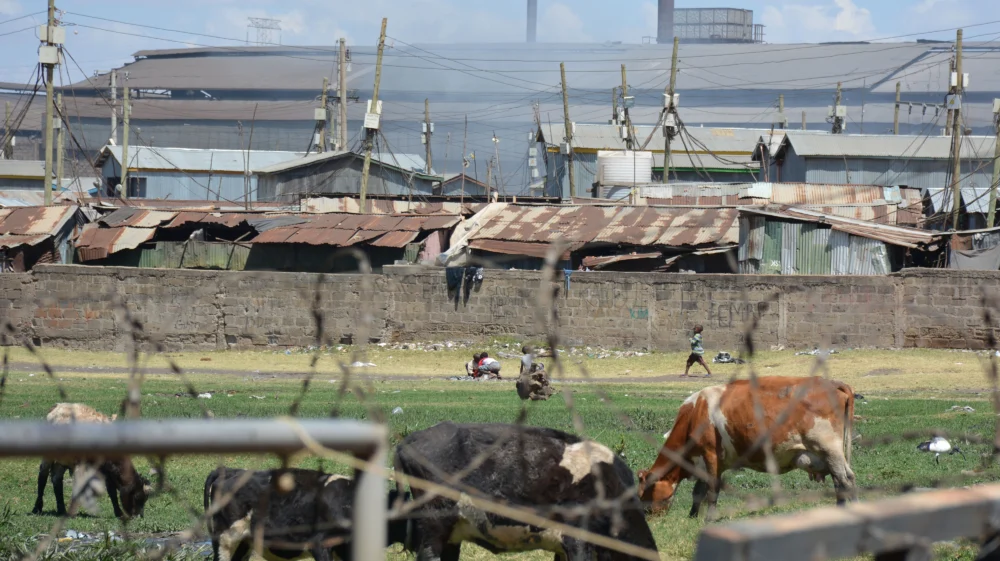
Mining activities often have profound social and environmental consequences, particularly for marginalized populations living near mining operations. This literature review assesses outcomes and explores the mechanisms through which mining activities affect marginalized groups and their wellbeing.
Mining is among the most environmentally and socially disruptive human activities, producing large volumes of waste that result in soil, air, and water contamination, as well as landscape degradation. Its impacts extend beyond ecological degradation to include profound transformations in local livelihoods, land tenure, and access to natural resources.
As critical mineral mining accelerates across the globe to meet the energy transition’s resource needs, this in-depth literature review seeks to answer how mining tends to exacerbate the inequalities faced by already-marginalized groups – namely women and children. The goal is to reduce disproportionate harms experienced by these local groups and to ensure that the benefits of critical mineral mining expansion are shared more equitably.
The authors find that across the studied cases, mining impacts led to almost exclusively negative outcomes (96%) for children, indicating a worsening of marginalization, whereas women were more likely to experience both negative (70%) and some positive (30%) outcomes.
One-SEI program / The ambition of this program is to contribute to a global shift to clean energy that does not transfer harmful extraction patterns.
Project / This project seeks to inform planning on lithium mining in the Americas that minimizes its negative social and environmental effects.
Event on 28 October in Yerevan / Armenia faces waste disposal challenges alongside potential for resource recovery. We explore how to recover valuable resources and reduce pollution.
Feature / A roadmap being developed under SEI’s Green Agenda suggests clearer rules could strengthen science, protect local knowledge and ensure fairly shared benefits.
Journal article / "Breathing well" is about more than air quality: cleanliness, population and building density and the presence of vegetation all make a difference.