Skip navigation
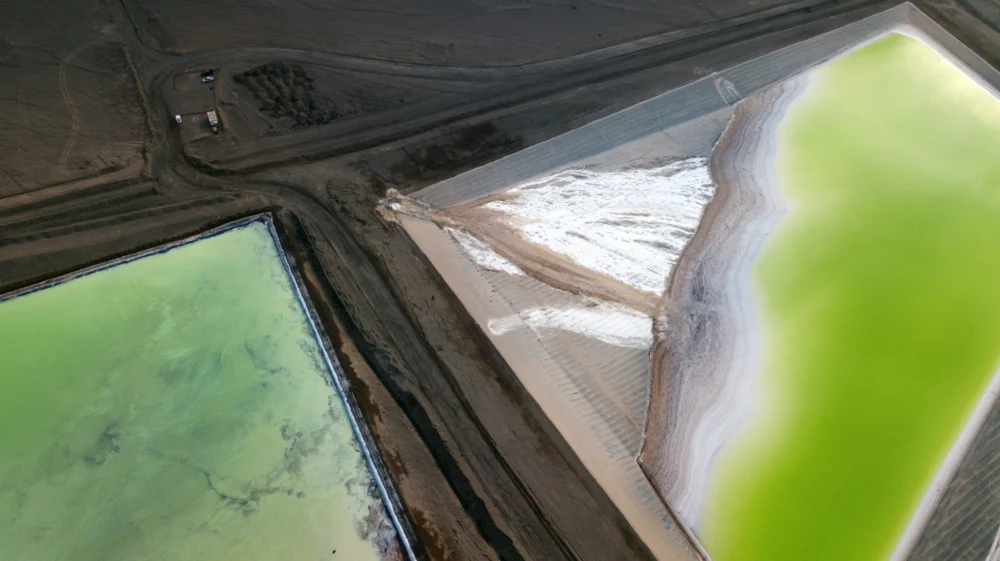
Aerial view of tourists looking at salt ponds cutting through white salt flats beneath a bright blue sky with mountains in the background in Salinas Grandes, Jujuy, Argentina
Project

Lithium mining in the Americas: planning to address community and environmental impacts

This project unites geospatial analysis, decision-maker interviews, and community-engaged case studies to inform planning on lithium mining across the Americas that minimizes its social and environmental impacts, with a focus on water resources, ecosystems, and community wellbeing.

Active project

2023

Lithium has become critical to the green energy transition, supporting electric vehicles, renewable energy systems and efforts to reduce reliance on fossil fuels. At the same time, national and local governments face growing pressure to expand lithium production to meet global demand and economic opportunities, often in partnership with private sector actors. In many regions, these dynamics intersect with limited regulatory capacity and existing social and environmental vulnerabilities, creating trade-offs that can exacerbate water scarcity, air pollution, social disruption, and risks to Indigenous rights and governance.

This project brings together a growing body of research, partnerships, and community dialogue led by SEI to examine how lithium mining affects water resources, local economies, ecosystems, and community wellbeing across the Americas. Building on multiple initiatives conducted over several years, the work responds to a central challenge facing the clean energy transition: how to support lithium development in ways that balance global demand with local environmental limits, social equity and governance capacity.

We integrate research from Latin America and the United States, including long-standing work in Argentina that has produced peer-reviewed publications, engagement with national and provincial natural resource agencies, and collaboration with regional networks focused on lithium mining impacts. These efforts are complemented by connections with California communities and decision-makers facing similar issues, and cross-sector dialogue fostered through convenings such as the Energy–Groundwater Nexus panel at the Groundwater Resources Association of California’s Western Groundwater Congress. Together, these activities create a platform for comparative learning across regions facing similar pressures, while remaining attentive to distinct institutional and environmental contexts.

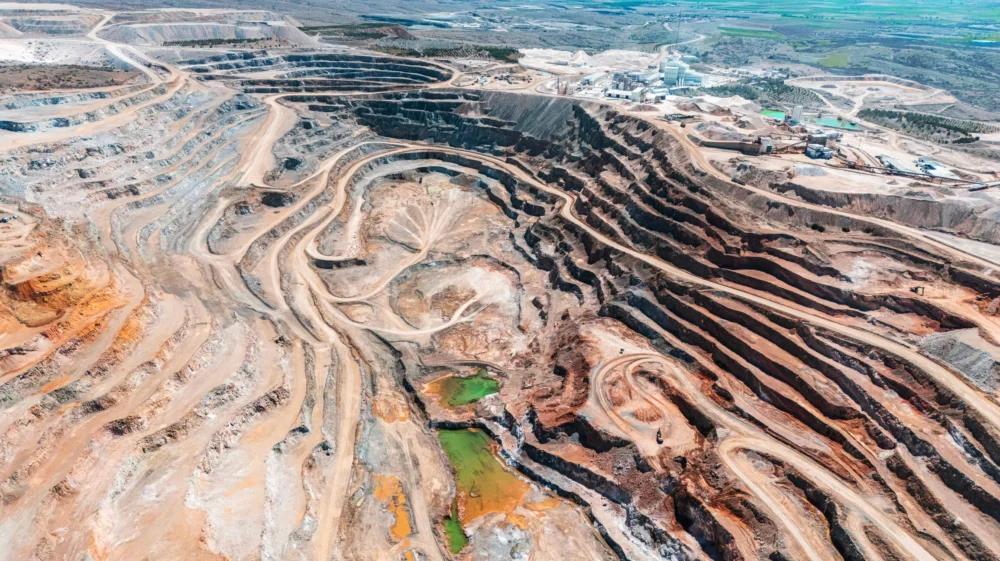
The project combines geospatial analysis, policy review and consultation with locals and policy experts. Spatial mapping and satellite data help identify lithium mining sites and assess their potential for affecting water stress, sensitive ecosystems, and Indigenous and community lands using publicly available datasets. We complement this spatial analysis with conversations and interviews with community members, policy experts, and public decision-makers, drawing on local knowledge and institutional perspectives to better understand how lithium development is planned, governed, and experienced on the ground.

Across regions, early findings point to recurring challenges related to water availability, cumulative environmental impacts, and gaps in governance and oversight, particularly in arid areas with rich ecological and cultural resources under increasing pressure. At the same time, the project highlights opportunities for improved planning, stronger integration of equity considerations into environmental review and permitting, and more inclusive decision-making processes. By synthesizing evidence and perspectives across the Americas, the project aims to support policymakers, communities, and practitioners in navigating the complex trade-offs of lithium development while advancing more sustainable and equitable energy futures.

Laura Forni

Water Program Director

SEI US

Marina Mautner

Senior Scientist

SEI US

Romina Díaz-Gómez

Scientist

SEI US