As of 2015, progress towards the UN sustainable development goals (SDGs) has notably slowed, signaling a need to evaluate roadblocks to progressing towards these goals. In this publication, SEI researchers investigated different economic paradigms and their respective alignment with SDG areas, with recommendations for policymakers to shift towards economic frameworks that better align with these goals.
The 2030 Agenda for Sustainable Development is a blueprint for facilitating global sustainable development, adopted by all UN member nations in 2015. The sustainable development goals (SDGs) are 17 different benchmarks centered on tackling various worldwide issues regarding poverty, conservation and climate change. However, progress has been slowing on the achievement of these goals, raising the question of whether current economic models, as they stand, are sufficient to address these goals.
In this article, SEI researchers explored six different economic paradigms through journal articles, books and policy documents. To reduce bias between researchers, they independently rated each economic paradigm on their alignment with four SDG program areas: people, prosperity, planet, and partnerships and peace. The results show that the current adopted economic paradigm in the world – neoclassical welfare economics – is fundamentally misaligned with the SDG goals. While other alternative paradigms align more closely with the SDGs, no single paradigm sufficiently addresses all of the areas.
Based on these findings, SEI researchers recommend these actions to move beyond the current economic model and progress more towards the SDGs:
Tool / A practical tool for understanding how groups of policy areas and targets interact, using systems thinking.
Past event / Policymakers gather at HLPF for the launch of the Global Synthesis Report on Climate and SDG Synergy. SEI researchers co-authored one of its thematic reports.
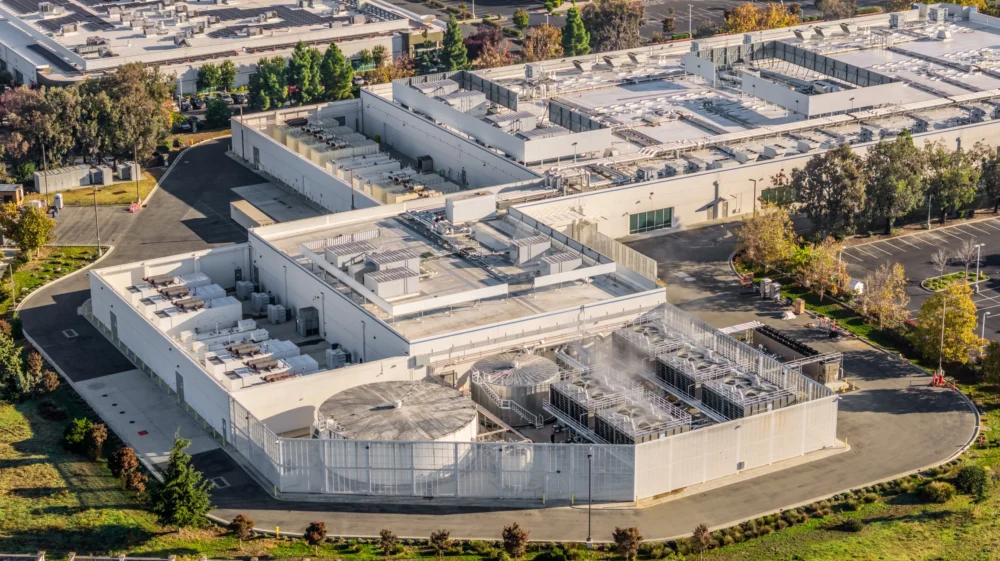
Project / This project uses geospatial analysis and public engagement to determine how data centre siting in California affects vulnerable communities' water security.
Journal article / This essay argues that climate adaptation approaches should drive needed social change and challenge austerity approaches, which have undermined resilience.