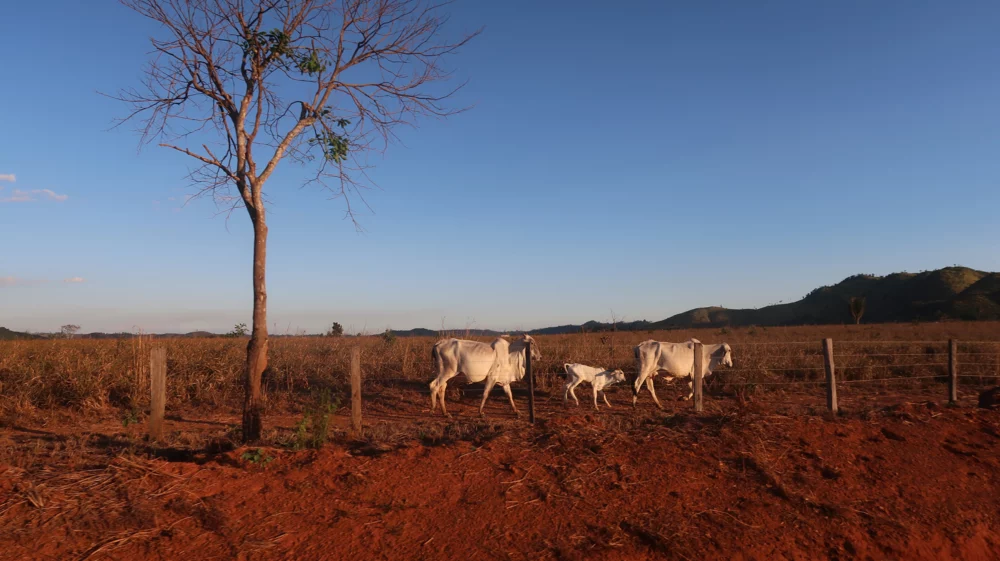
Water use in supply chains is critically important to commodity traders. Soy and beef production use large quantities of water, yet there is a lack of visibility over this reliance because they are often produced in one country and consumed in another.
Commodity supply chains face growing water-related risks. Climate change, drought and water scarcity can disrupt production and threaten food security, yet companies rarely monitor water use beyond their own operations.
Brazil’s soy and beef sectors rely on key river basins to supply water alongside other business sectors, domestic users and ecosystems, raising the prospect of increasing competition over diminishing water resources.
Deforestation and water scarcity impacts often overlap. Addressing one without the other risks shifting environmental burdens.
Traders, governments and financiers all have a role. From setting supply chain targets on water use and improving reporting to aligning policies and credit with sustainable water use, coordinated action can reduce risks.
Expanding supply chain transparency beyond deforestation is essential. Incorporating water use is a crucial next step for sustainable commodity trade.
Feature / A new Trase report illuminates hidden dependencies and risks regarding freshwater use in Brazilian soy and beef supply chains.
Senior Research Fellow and Team Leader for Trase Research and Development
SEI Headquarters
Project / Exploring trade-offs between water use, deforestation, and greenhouse gas emissions linked to soy and beef production and exports from Brazil.
Journal article / This research explores how cattle ranching shapes the transition from forest frontiers to large-scale agriculture in the Brazilian and Colombian Amazon.
Feature / Trase identifies the leading coffee trading companies and estimate where traders and markets source coffee from within key coffee-producing countries.
Press release / New data from Trase reveals that the majority of the coffee imported globally comes from companies that supply the European market.