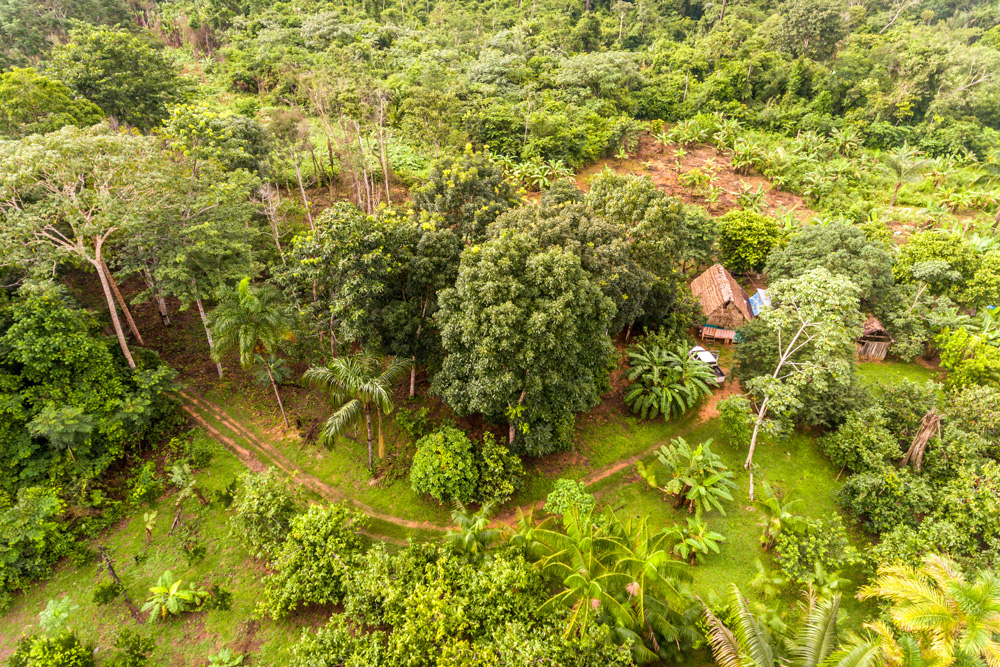
Tropical forests are at the front line of sustainable development, where critical trade-offs need to be negotiated between climate mitigation, biodiversity conservation, food production and economic development. SEI research work on tropical forests ranges from ecological research to groundbreaking data-driven transparency tools linking impacts of deforestation to global companies and consumer markets.
84 results / 6 of 10 pages
Journal article / Secondary forests can be vital to conserve biodiversity and trap carbon, but are still no substitute for undisturbed primary forest.
Press release / A new study reveals that untouched, primary forests are the ecological gold standard, but regrowing tropical forests are key to biodiversity and carbon storage.
Feature / Secondary forest can never substitute undisturbed primary forest, but it can still be effective in protecting biodiversity and sequestering carbon.
Journal article / An international team warns that a failure to act quickly and decisively will risk unprecedented species loss in the most diverse parts of the planet.
Press release / A global biodiversity collapse is imminent unless we take urgent, concerted action to reverse species loss in the tropics, according to a major study in Nature.

Feature / Thousands of fish and other freshwater fauna species living in small forest streams in tropical forest areas like the Amazon could be at risk.
Journal article / This article presents evidence that current environmental legislation designed to protect streams and their biota in the Amazon is not fit for purpose

Journal article / Field evidence that overturns the assumption that rural–urban migration in the tropics will reduce hunting of bushmeat and endangered forest species
Other publication / This book chapter suggests how producer jurisdictions can play a more effective role in making agricultural commodity more sustainable.