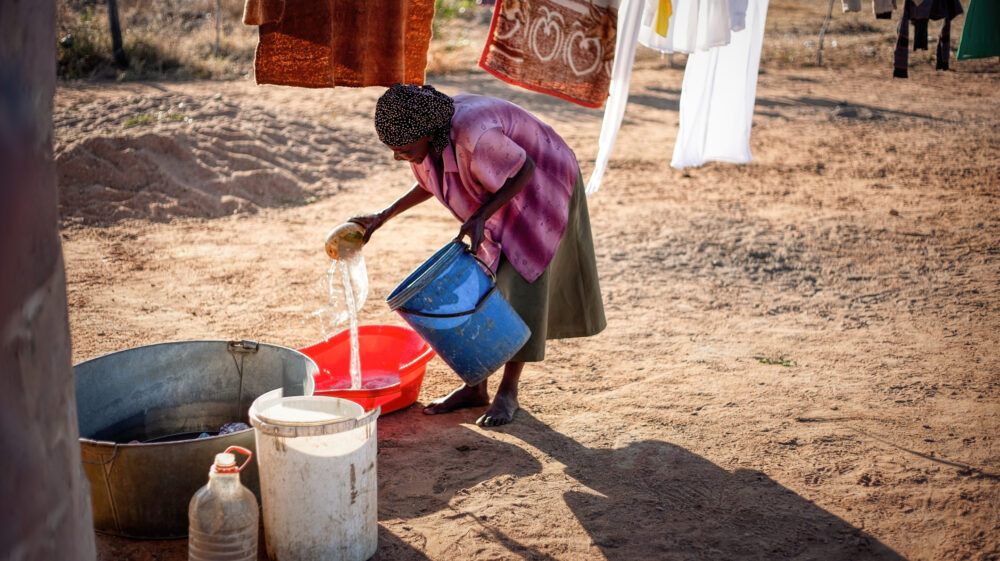
Photo: chuttersnap / Unsplash
More than 65% of the world's population are projected to live in urban areas by 2050, with major implications resource use, energy, water and sanitation, and health and well-being. At the same time urbanization can bring benefits, especially efficiency gains. SEI examines these challenges in the round to advance sustainable urbanization.
636 results / 36 of 71 pages
Journal article / This study seeks to fill in some gaps in groundwater data in India in an effort to measure how natural and man-made factors affect water supply levels.
Other publication / This policy brief shares ten practical recommendations for urban policy makers in dryland Africa to use when planning, developing and implementing policies.
Feature / City planning needs to consider livability and resident well-being alongside equality of environmental and economic development.
Perspective / Read key insights on how innovating in Islands offers an opportunity to think beyond the established ways of organizing society and building cities.
SEI brief / SEI applied two different kinds of tools to the question of putting health and social care services online to improve access.
Journal article / Novel co-created transdisciplinary research uses arts and humanities methods to explore air pollution in an informal settlement (Mukuru) in Nairobi, Kenya.
Journal article / This article describes a mixed methods approach to understand inequalities in urban wellbeing in two rapidly changing cities in Kenya and Thailand.
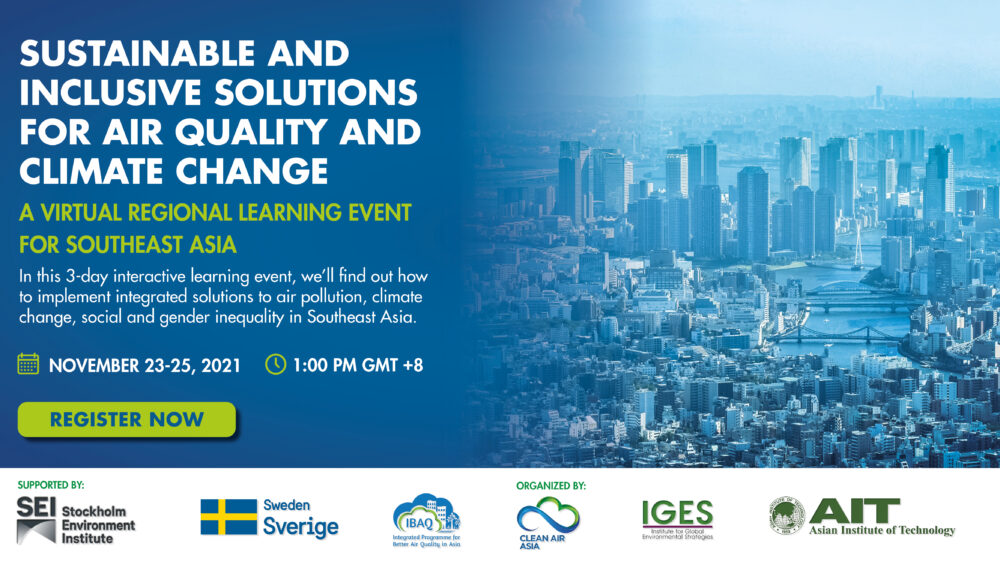
Past event / The event will highlight the need to localize commitments and action to scale-up and address air pollution and climate change.
Past event / Welcome to a virtual session on quality of government and access to clean water and sanitation, as part of the AfricaSan 6 conference.