Photo: NASA / Unsplash
To meet ambitious climate targets, we must transform our energy systems, how we use natural resources, and how we produce and consume goods and food. We must also adapt to climate impacts. SEI focuses on effective, equitable ways to mitigate and adapt to climate change for a safer climate for all.
Adaptation to climate change is a key area of SEI's research. In particular, we focus on adaptation policy and finance under the UN Framework Convention on Climate Change, vulnerability assessments, capacity building and community-based adaptation.
Event on 09 November – 20 November in Antalya / Discover how SEI is contributing to global climate action through collaboration, engagement and impact at this year’s COP in Antalya.
SEI’s work sheds light on major ethical issues in climate policy, examines key governance challenges, and offers new analytical frameworks centred on equity.
Media advisory / SEI invites journalists to a media briefing where its leading experts will share their perspectives on the major themes shaping COP31.
Effective climate action should rest on reliable, relevant information. SEI's recognised expertise in climate science, policy engagement, decision-support tools and science communication make us uniquely well placed for the emerging field of climate services.
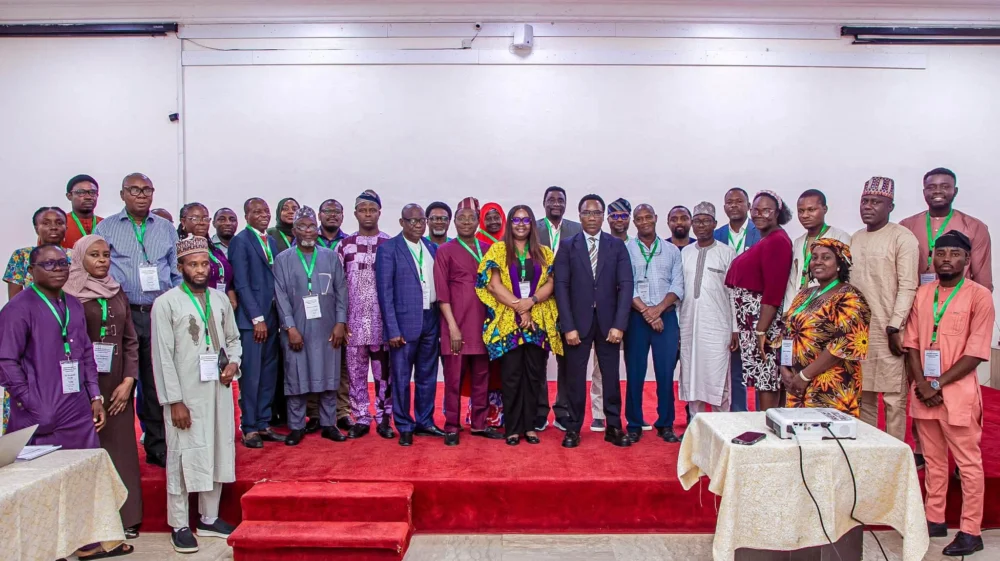
Feature / Ethiopia and Nigeria are moving their climate data platforms to open-source software they can run themselves, with support from SEI and partners.
Our research recognizes that disaster risk and development are closely linked: it is development processes that largely determine who and what is exposed to risk as well how much, and how effectively they can respond. SEI works to integrate disaster risk reduction with equitable, sustainable and resilient development.
Media advisory / SEI invites journalists to a media briefing where its leading experts will share their perspectives on the major themes shaping COP31.
Our research focuses on the effectiveness, efficiency and fairness of the international climate finance regime, but also looks beyond it, at how the global financial system at large either supports or undermines the societal transitions needed to achieve sustainable development.
Press release / Berget AI releases an open-source method for calculating carbon emissions of every individual AI request, developed with SEI, WattTime and Klimatkollen.
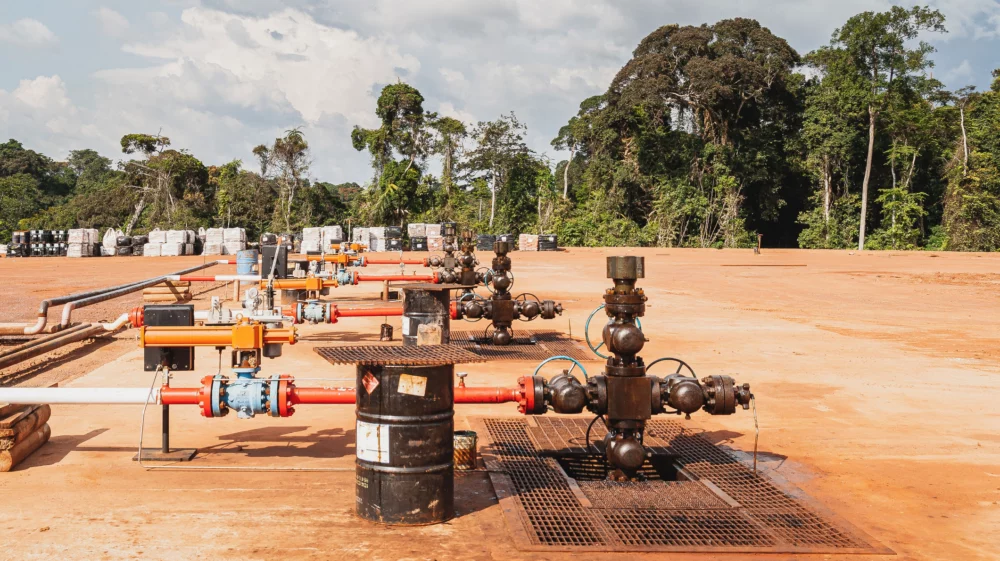
How do the institutions, investments and infrastructure that support fossil fuel production lock-in dependence on fossil fuels? What strategies can help societies shift away from such dependence? SEI addresses these questions through timely, policy-relevant research and communications.
Other publication / The 9th ASEAN Energy Outlook explores three energy scenarios through 2060, six policy directions and pathways to strengthen regional energy security.
Avoiding dangerous climate change requires ambitious action to deeply reduce greenhouse gas emissions at the international, national, and local community levels. SEI informs, supports and advises decision-makers and civil society on possible pathways to an equitable, low-carbon future.
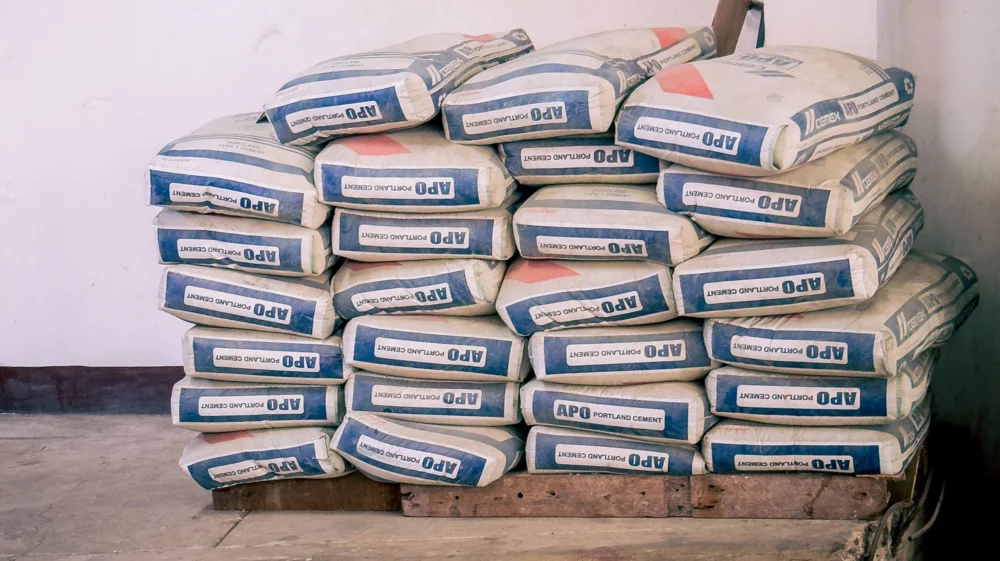
Other publication / This report focuses on how clay, one of the world's oldest construction materials, has the potential to drive a lower-carbon future for the cement industry.
We assess the impacts of and work to reduce the levels of short-lived climate pollutants – such as soot, methane and ozone – in the atmosphere. These agents affect human health and contribute to global warming.
Journal article / The authors present an African perspective on the Angera Declaration: a methane action statement signed by over 150 scientists around the world.