Photo: Tony Lam Hoang / Unsplash
Our research recognises that disaster risk and development are closely linked: it is development processes that largely determine who and what is exposed to risk as well how much, and how effectively they can respond. SEI works to integrate disaster risk reduction with equitable, sustainable and resilient development.
Journal article / This research compares forecasting models for predicting heat-related health impacts across Sweden, using data from all 21 counties.
617 results / 1 of 69 pages
Journal article / Drawing on policy reviews, surveys and interviews, the research explores challenges in addressing interconnected climate risks across regions and sectors.
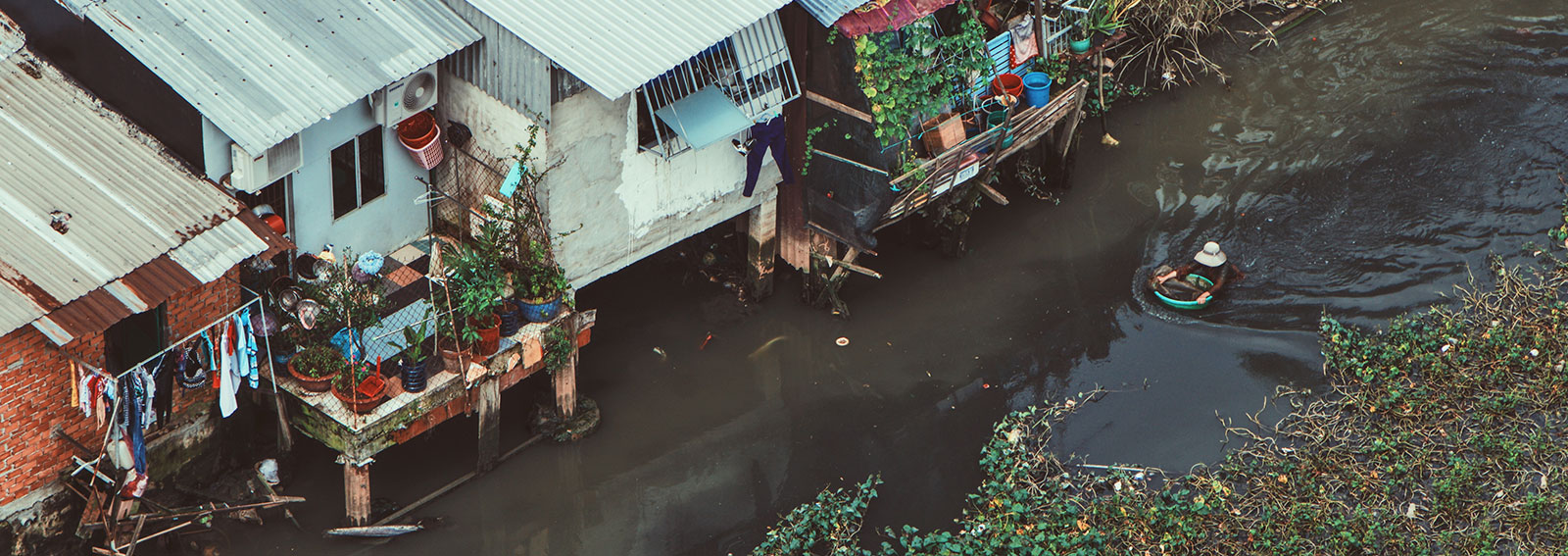
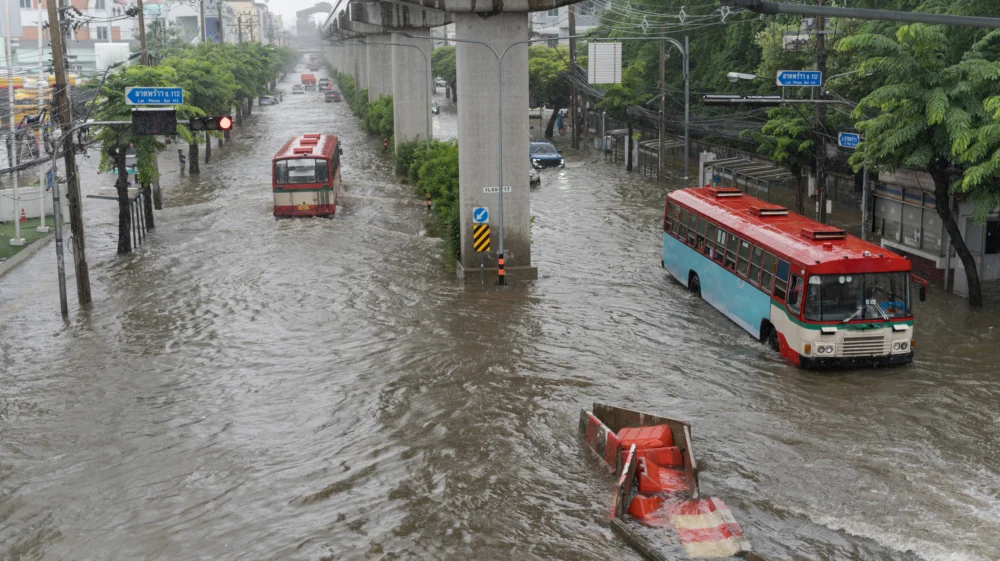
Perspective / Flooding in Bangkok in late September exposed a critical gap: forecasts identified the threat days in advance, warnings and preparedness did not translate fast.
Media advisory / SEI invites journalists to a media briefing where its leading experts will share their perspectives on the major themes shaping COP31.
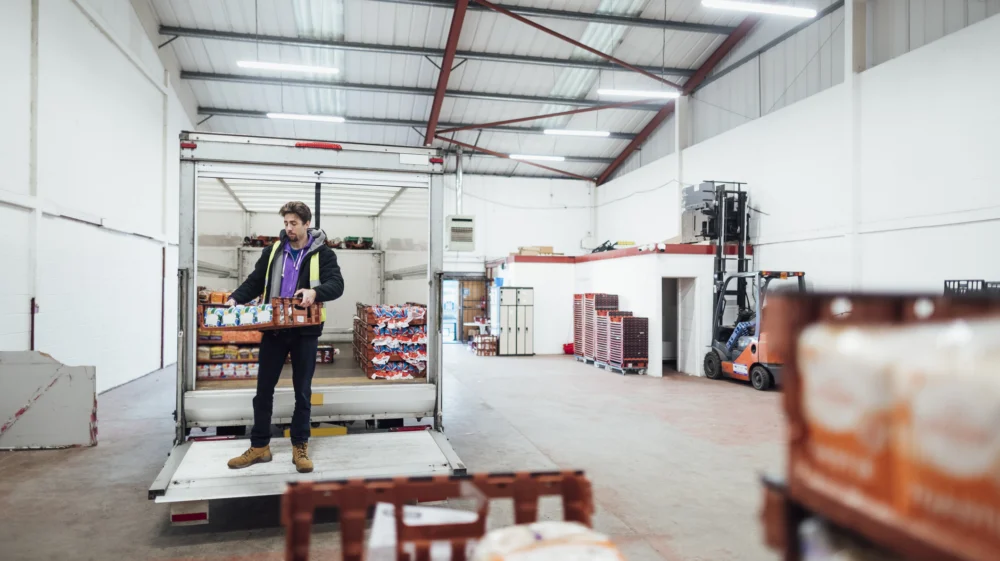
Journal article / Using a simulated Swedish food supply network, this research explores how agricultural losses caused by drought affect food distribution and consumer demand.
Feature / Biodiversity action is falling short – SEI shares five recommendations for building more resilient societies ahead of COP17.
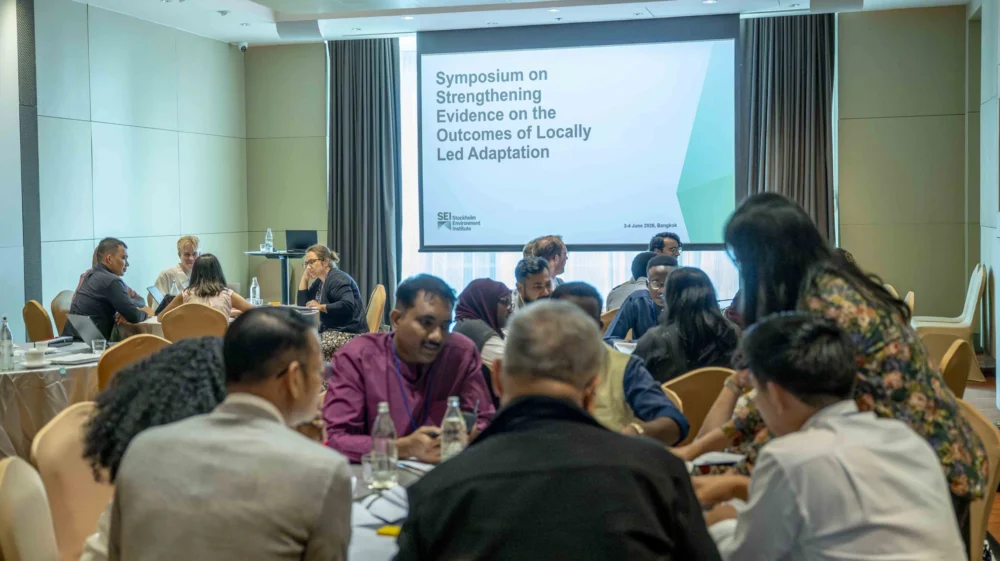
Past event / Join the launch of a new report on the state of evidence on locally led adaptation and recommendations to bridge key divides.
Feature / SUMERNET was founded with long-term funding from Sida, to strengthen the Mekong Region’s evidence-based policy for sustainable development.
Past event / SEI joins the Climate Week in New York to highlight global leadership and finance solutions for accelerating the transition to net zero industry.
Journal article / This research maps evidence on how physical and transition climate risks affect real estate valuations, drawing on 130 academic and grey literature sources.