part of World Ocean Day 2026
Start readingIn the midst of the tourist and port activity of Cartagena, one of Colombia’s most visited cities, Varadero continues to survive as a “hope spot” – a coral reef where nature offers a striking lesson in resilience despite human impact. Today, that resilience forms the starting point for a living lab, part of the Resilient Coasts in the Caribbean Sea project led by SEI.
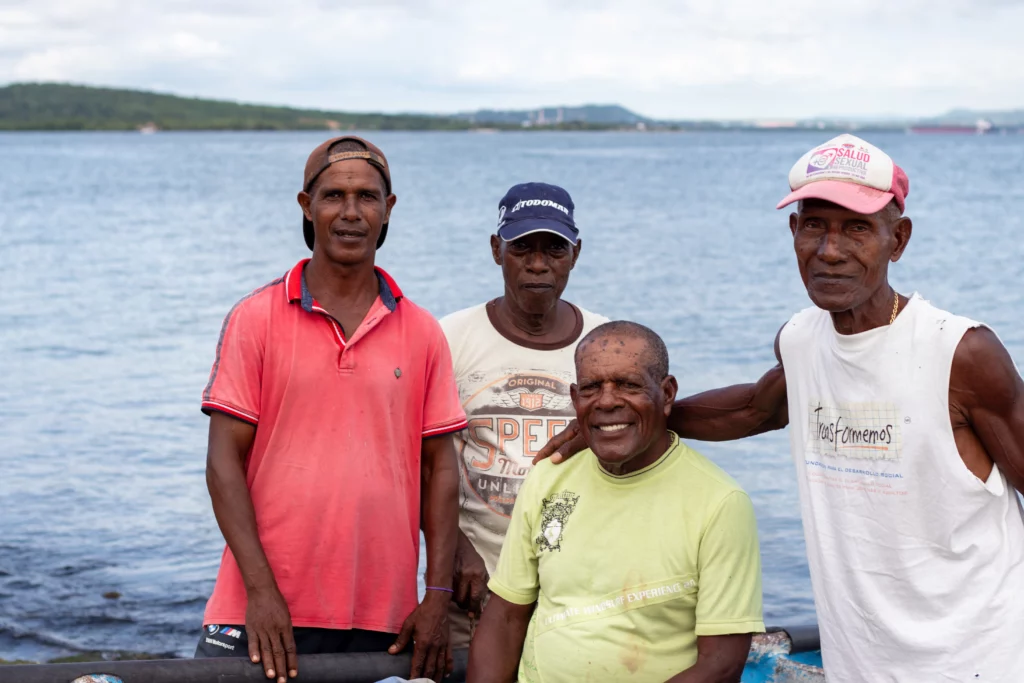
Varadero is a coral reef ecosystem of roughly 1 km² in the Bay of Cartagena de Indias, Colombia, near Bocachica, a fishing community on the southern side of Tierra Bomba Island. For years, the discharge of freshwater and sediments from the Canal del Dique has transformed the bay and placed increasing pressure on the region’s coral ecosystems.
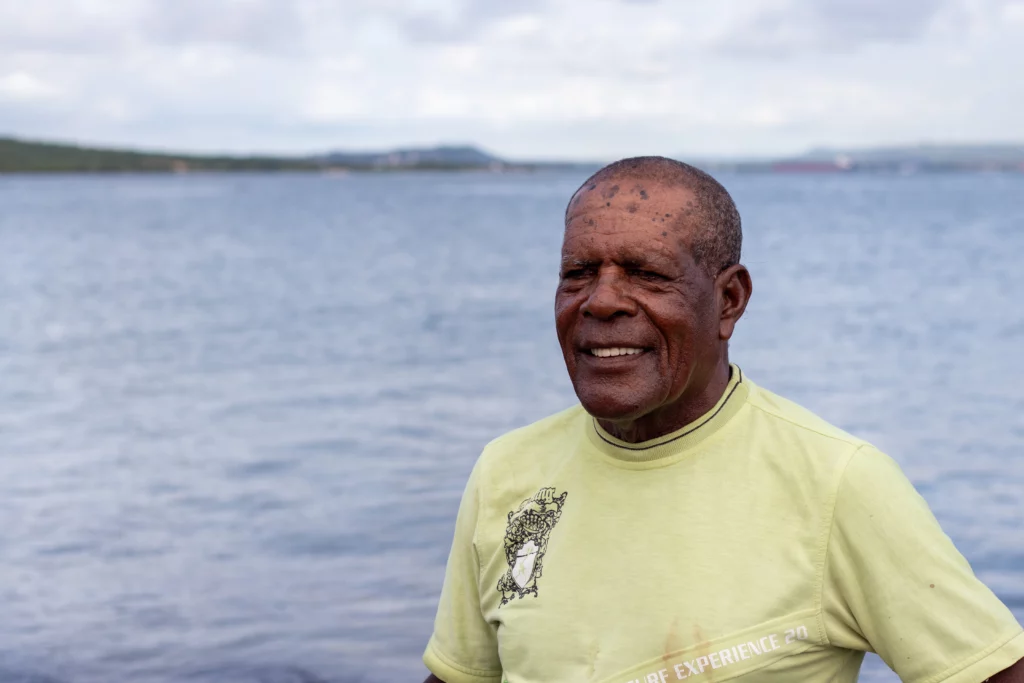
I began fishing when I was eight years old, and now I am 76. In the past, the waters were crystal clear and we could see everything. Nowadays, with the Canal del Dique, things have become difficult for us"
said Ignacio Miranda, a fisherman from the community of Bocachica.
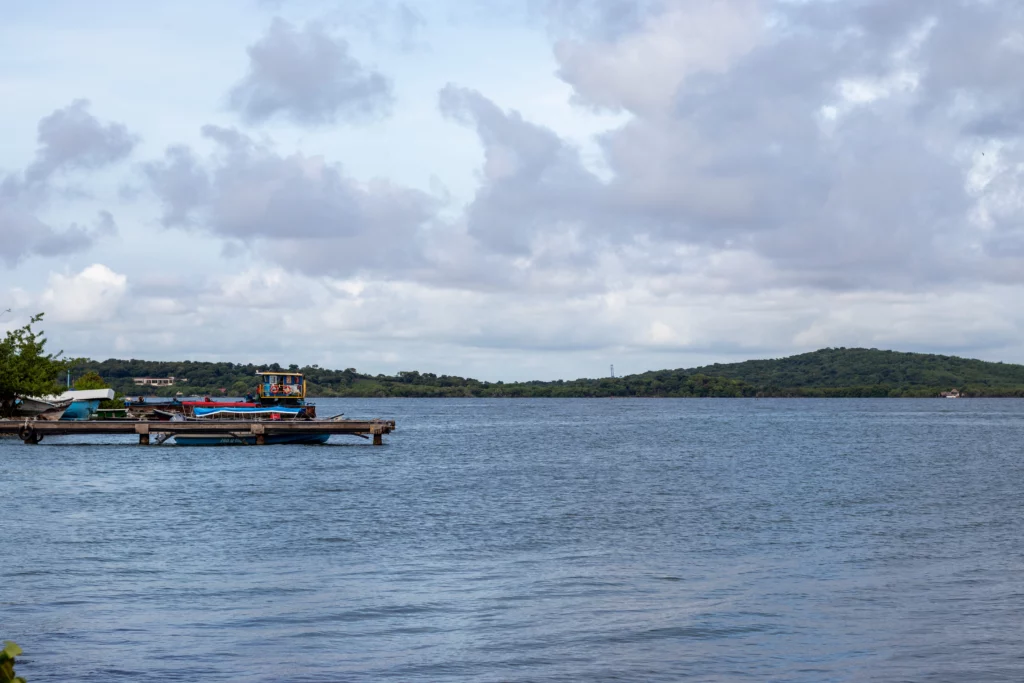
Even so, Varadero retains a notable level of coral cover given the conditions it faces. Scientific studies have documented more than 30 coral species and nearly 150 fish species, as well as areas where average coral cover reaches around 45%, with some sections rising to as much as 80% live coral. This resilience does not, however, mean that the reef is free from danger. Recent research suggests that Varadero is experiencing moderate to high environmental stress.
Building on this ecological foundation, the Resilient Coasts in the Caribbean Sea project selected Varadero as one of its living labs. The initiative promotes spaces where local communities, authorities and researchers co-create nature-based solutions that strengthen coastal resilience, share knowledge across a growing network of partners in Caribbean countries, and explore sustainable business models.
The Varadero Living Lab – the second established in the region under the project – is being developed in close collaboration with the island community of Bocachica. There, fishermen and community leaders, supported by Corales de Paz and the SEI team, are working together to test how reef rehabilitation can protect the coastline, enhance biodiversity and open new marine-based economic opportunities.
It has been very rewarding to complement the empirical knowledge we have as a community with the scientific knowledge we have acquired during this process
Jarlewys Castro, a member of the Bocachica community.
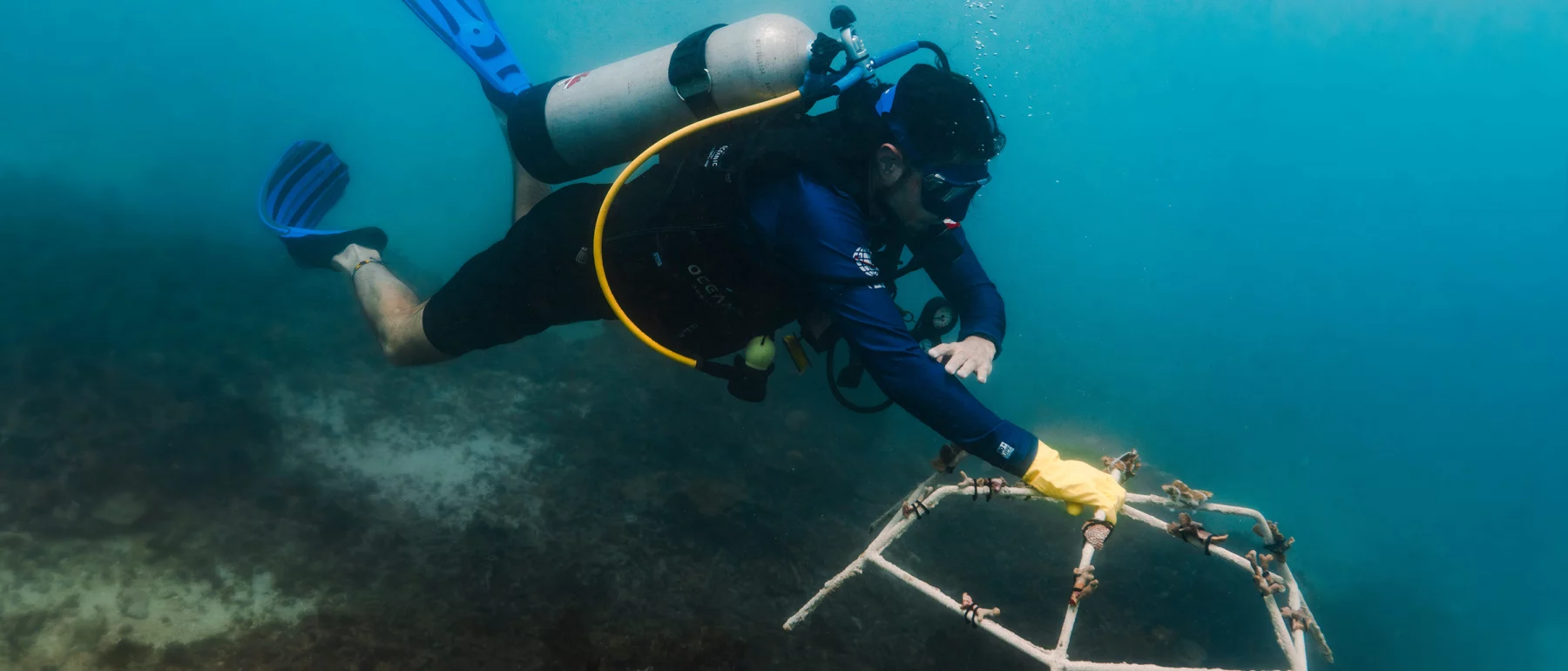
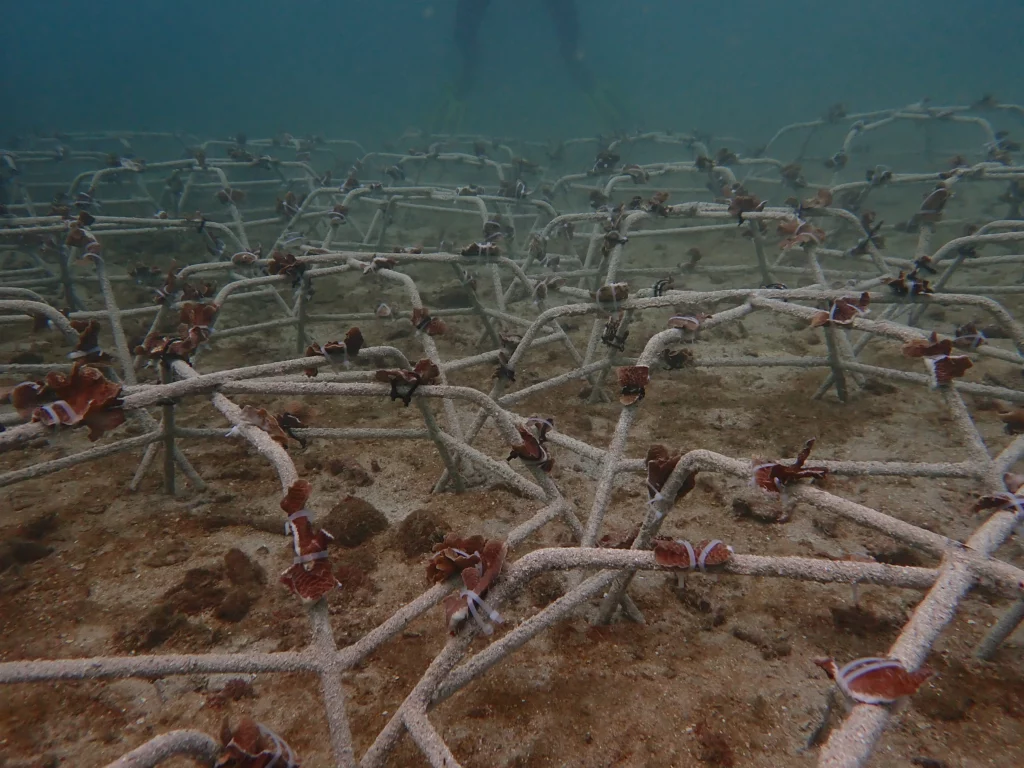
One of the key interventions, led by Corales de Paz, is assisted restoration using the Mars Assisted Reef Restoration System (MARRS) – metal star-shaped structures fixed to the seabed and covered with coral fragments. Over time, these fragments grow, connect and rebuild a three-dimensional structure that stabilizes rubble and provides shelter and food for fish and invertebrates.
We have great hope for this pilot of coral stars in the Caribbean. Together with the community, we want to contribute to the resilience of this iconic reef in Cartagena
said Andrea Caicedo, executive director of Corales de Paz
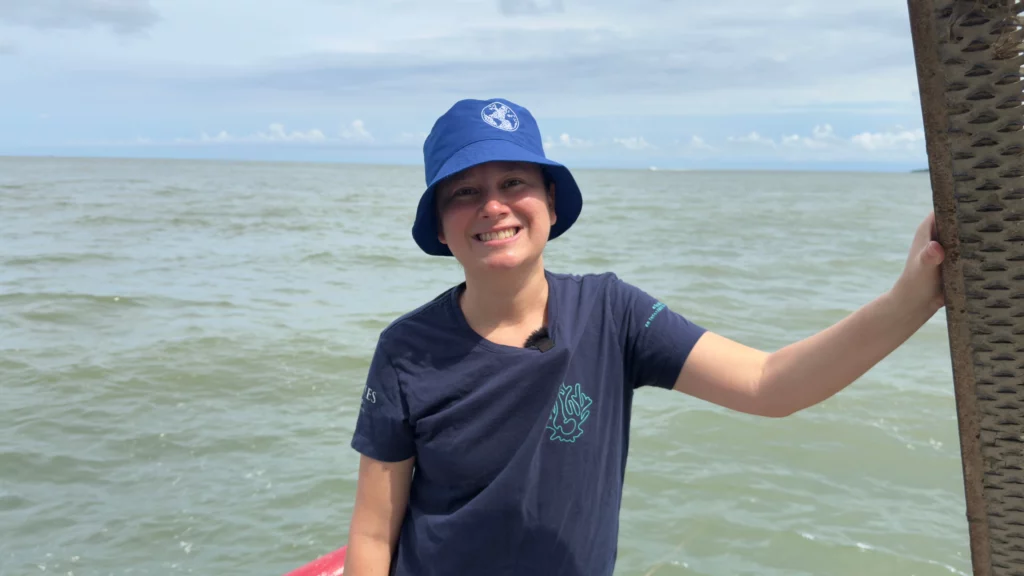
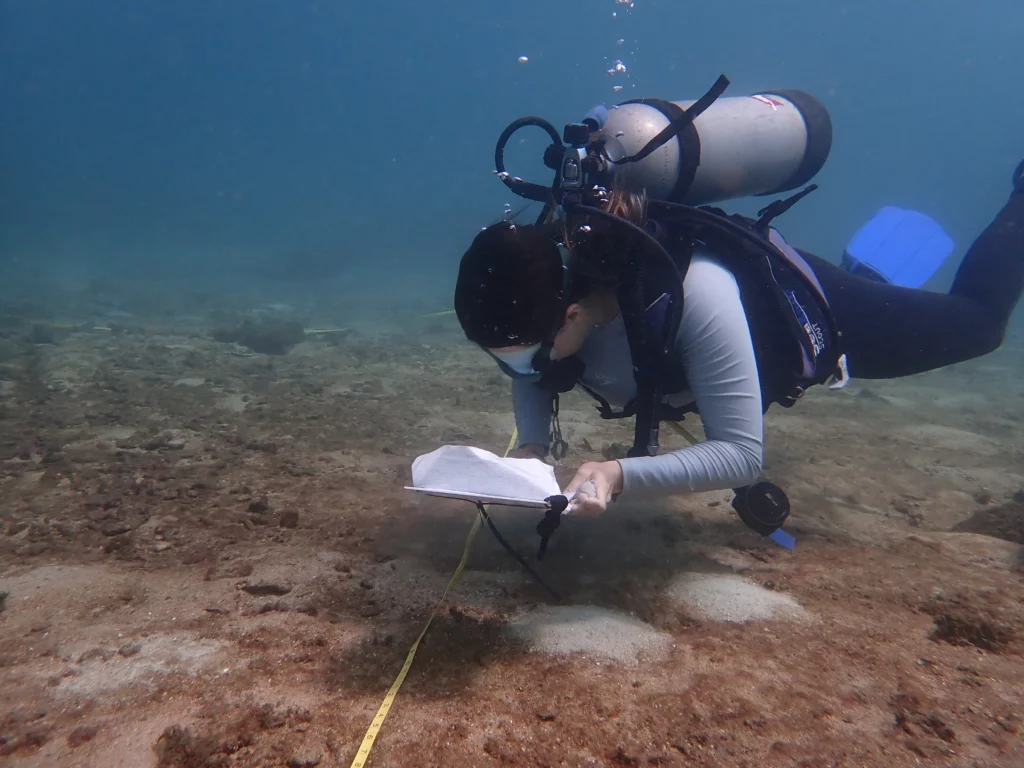
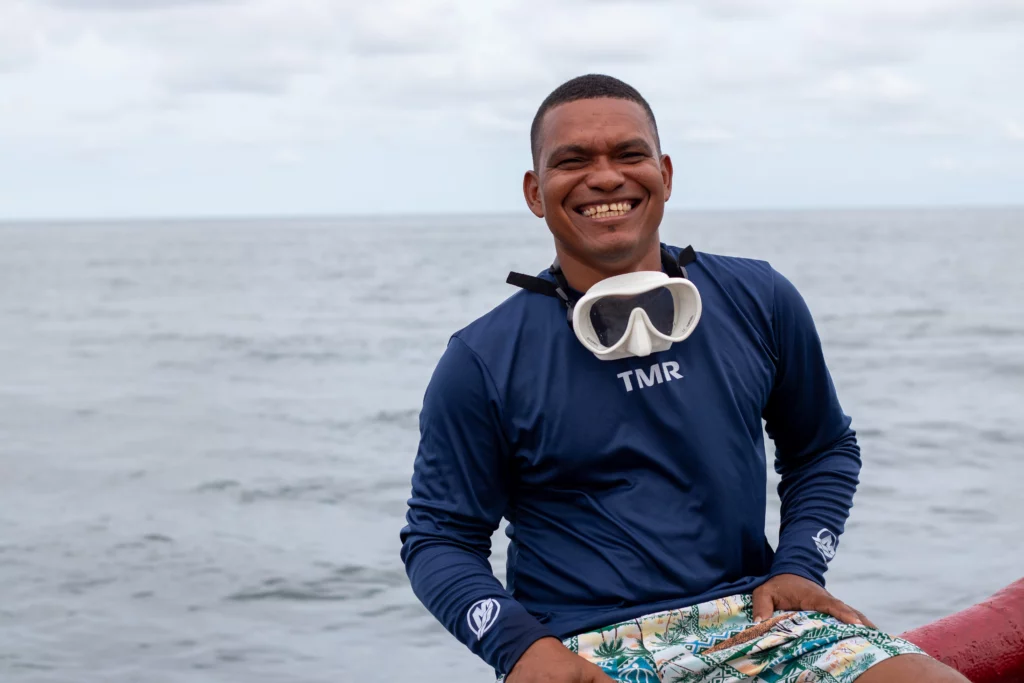
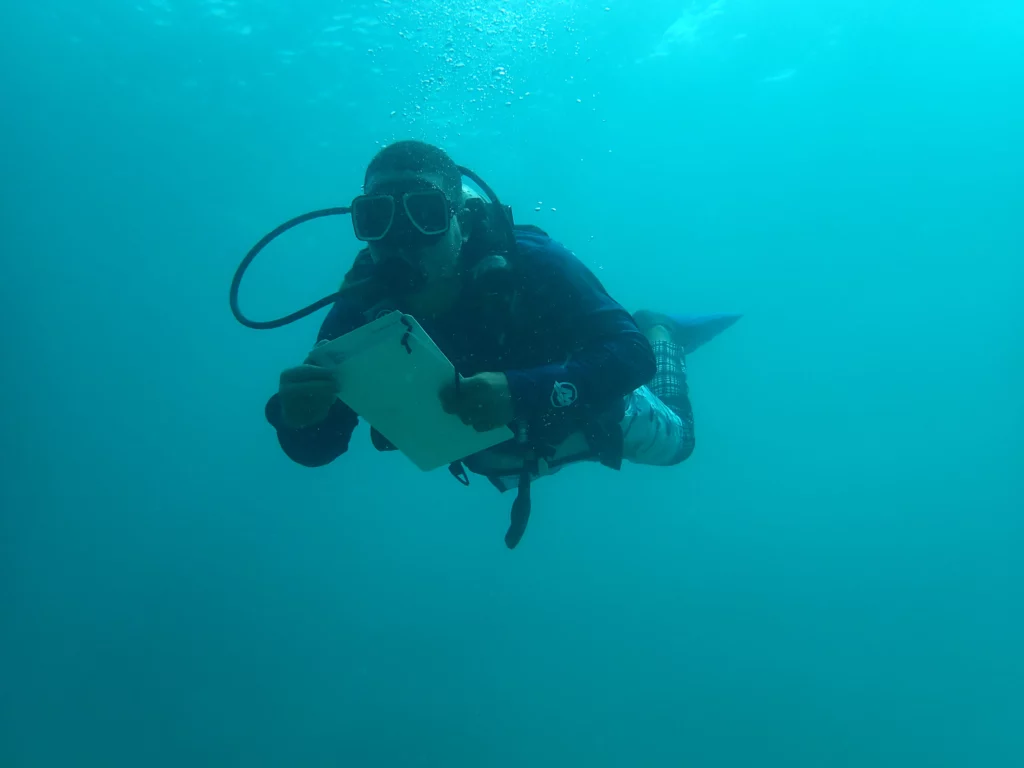
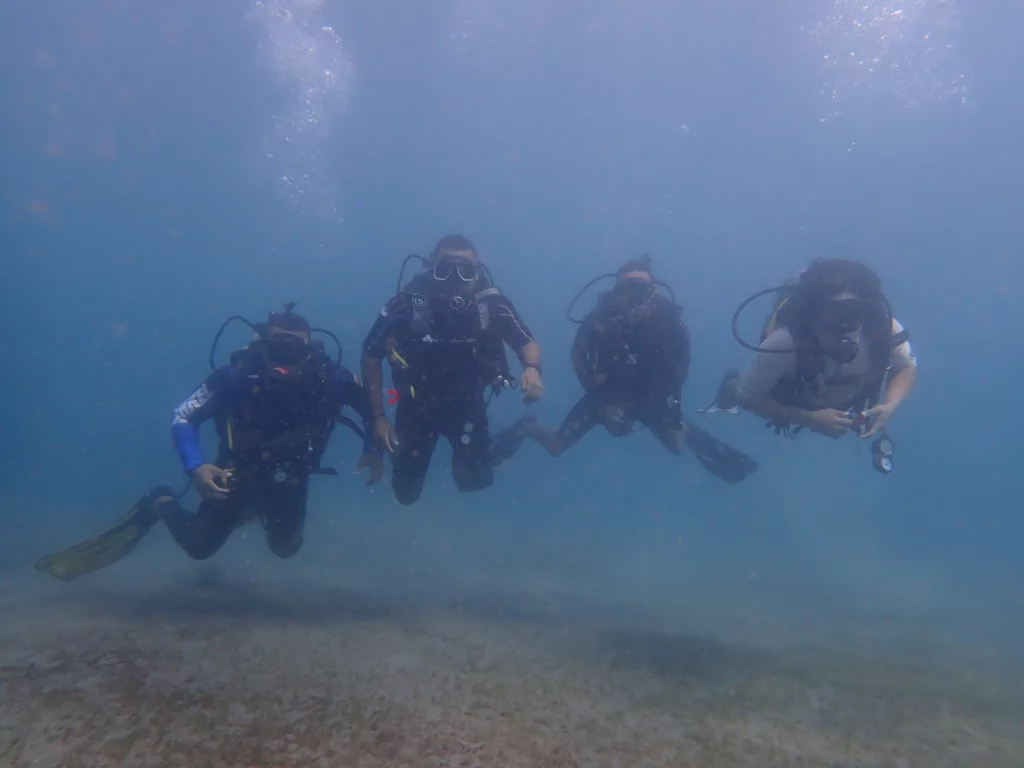
The living lab combines this work at sea with a comprehensive process to strengthen the capacities of local communities. This includes basic diving training for safety and water operations, delivered by local partners, as well as instruction in participatory ecological monitoring (Reef Check), enabling fishermen and young people to contribute directly to assessing reef health alongside Corales de Paz and to become genuine guardians of the seabed.
Educational spaces are also being developed, such as the “Underwater Heroes” workshop, aimed at raising environmental awareness among children. In parallel, a participatory assessment of livelihoods, capacities and needs has been carried out through socioeconomic surveys and community workshops, identifying priorities and guiding the transition towards sustainable activities. As a result, work is advancing on proposals for community ecotourism, including the design of routes intended to generate economic opportunities compatible with conserving Bocachica’s natural and cultural heritage.
Varadero now sits at the centre of crucial decisions: on one hand, proposals for port modernization and new dredging operations in the Bay of Cartagena remain under discussion, developments that could determine the reef’s fate; on the other, citizen-led initiatives such as “Salvemos Varadero” and efforts to secure its designation as a marine protected area highlight its ecological and social importance. In this context, the living lab aims to provide evidence on restoration, monitoring and community participation.
The Varadero Living Lab allows us to learn, together with the Bocachica community and local partners, which approaches can contribute to reef restoration in complex coastal settings. At SEI, we aim for this process to generate evidence that supports better decisions about the future of this reef, and that it serves as an example for strengthening the resilience of coastal territories across the Wider Caribbean”
said Karina Barquet, lead of SEI’s Water, Coasts and Ocean team.
This video brings together the voices of those participating in this process and shows how science, community and local partners are building new knowledge to care for this unique reef in the Colombian Caribbean.
Video: Camilo Martelo / SEI
We are deeply grateful to the Swedish Postcode Lottery Foundation, the funder of this project, and to the Corales de Paz volunteers participating in this pilot.
Some of the footage used in this video was provided by:
Fundación Corales de Paz – @coralesdepaz | Carlos Pérez – @profetiburón | Ocean Culture Life – @oceanculturelife | SepioDive – @sepiodive | Tayrona Foundation – @tayronafoundation | Helena Benavidez – @helena.tastica | Manuela Sanoja – @mansanoja | Andres Rojas – @sepiodive
Project / The Resilient Coasts Caribbean Sea project operates "living labs" for coastal ecosystem management using nature-based solutions.
Past event / The SEI-hosted Adaptation Research Alliance, with support from SEI Africa, will host the workshop to connect adaptation research with policy and practice.
Feature / Resilient Coasts – Caribbean Sea has officially been endorsed as a Decade Action under the UN Decade of Ocean Science for Sustainable Development.
Feature / After years of compiling data, a critical update arrived in December: a map of the Amazon that lays bare the real-time footprint of oil and gas expansion.