Photo: SEI
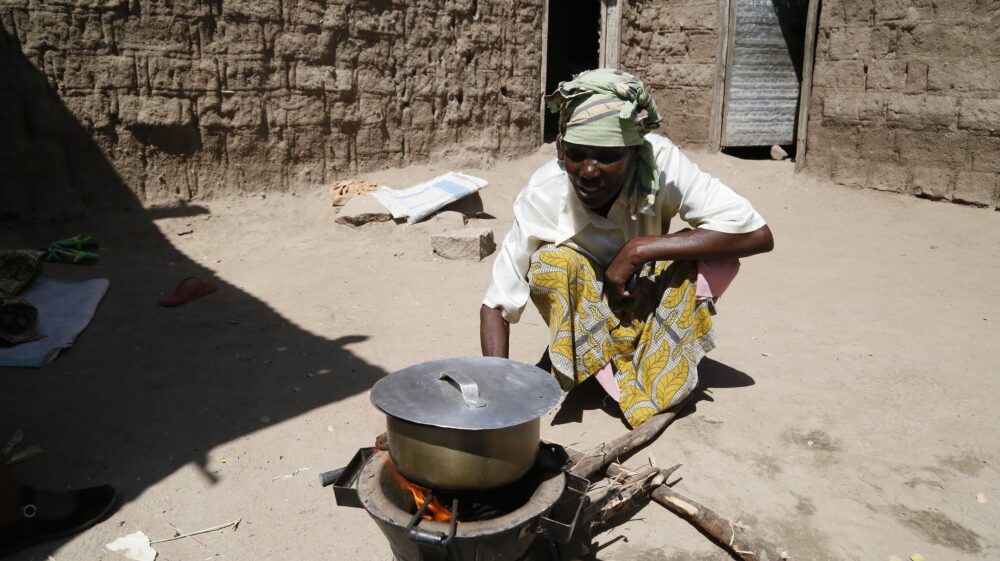
Around 2.4 billion people use biomass fuels - wood, charcoal and animal dung - for their domestic energy needs. These are typically burned in inefficient stoves or on open fires, with serious consequences for health and the environment. SEI identifies and designs actions to help households transition to cleaner technologies and energy sources.
258 results / 11 of 29 pages
SEI report / Households in the EU will feel the impact of efforts to decarbonize the heating and transport sectors. What can be done to promote a just transition?
Other publication / This report describes the methods used to develop the Repository, an analysis of the policies included in terms of policy type, desired outcomes and agencies.
Other publication / This book chapter explores the importance of the water-energy-food nexus tool to provide possible future climate adaptation strategies in the Global South.
Perspective / War, pandemic and the growing threat of climate change make the need to invest in energy efficiency all the more urgent. The technology already exists.
Media coverage / How can the world fulfill Europe's liquefied natural gas needs without Russia? The rest of the developed world must lower demand, SEI's Peter Erickson says.
Feature / Governments need to allocate funds for culture in a way that helps the sector become more sustainable.
Feature / Looking for ideas for green New Year's resolutions? Follow these six tips from SEI researchers to have a more sustainable year in 2022.
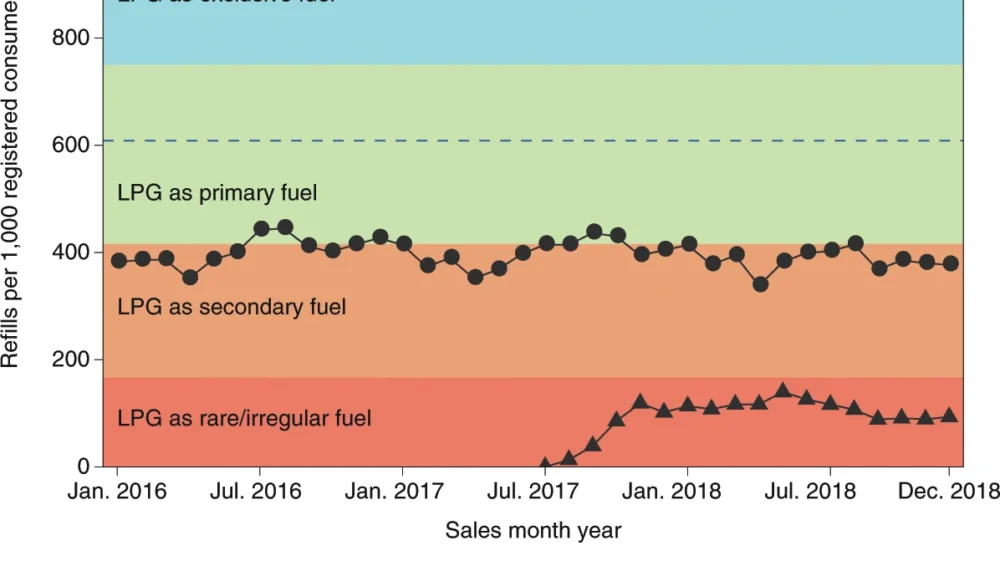
SEI brief / Although a subsidy programme in India has encouraged adoption of modern cooking gas, households have not shifted away from using highly polluting solid fuels.
Journal article / This study finds significant bias in the self-reported household clean cooking surveys that are prevalent in developing countries.