Photo: SEI
Around 2.4 billion people use biomass fuels - wood, charcoal and animal dung - for their domestic energy needs. These are typically burned in inefficient stoves or on open fires, with serious consequences for health and the environment. SEI identifies and designs actions to help households transition to cleaner technologies and energy sources.
258 results / 3 of 29 pages
Project / This project traces how experiences of energy poverty in Sweden have changed since the 1950s to inform more critical, sufficiency-oriented energy policymaking.
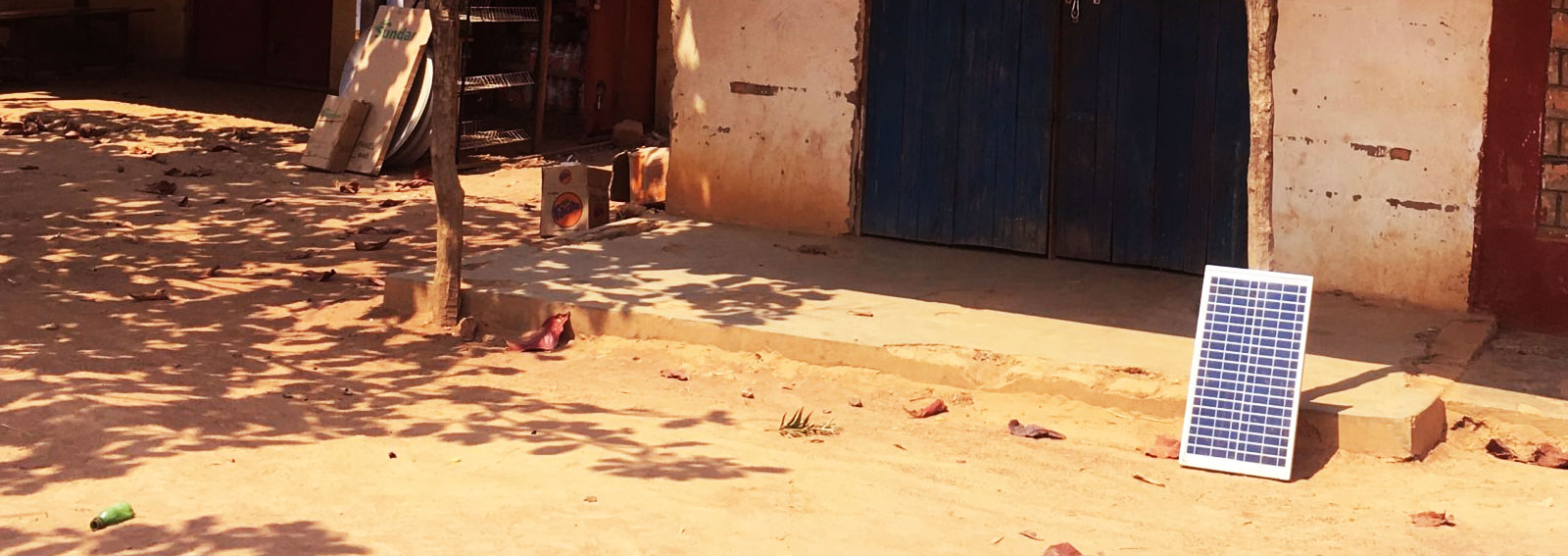
Feature / Over 93% of Ugandan households rely on wood and charcoal for fuel. A new strategy sets a timeline through 2040 to support a clean energy transition.
Project / SEI serves as Sweden’s antenna to EPAH, linking local communities and national expertise to EU energy poverty policy.
Feature / SEI will serve as a national platform for energy poverty expertise, linking local and national efforts to the broader goals and resources of the EPAH.
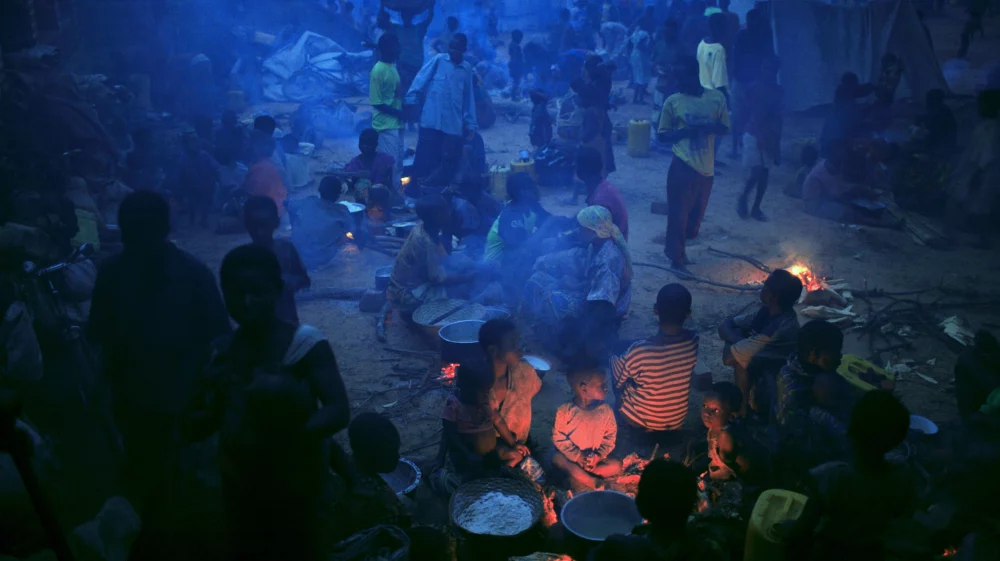
Feature / This Q&A outlines why SEI is taking on research to address clean energy access and climate change-related concerns in humanitarian settings.
Past event / Join SEI and Tim Braunholtz-Speight to explore business models and possible innovations in the community energy space in an online Q&A session on 4 September.
Feature / SEI's "Humanitarian Energy and Climate Transitions" research agenda aims to address renewable energy and climate-related issues in humanitarian settings.
Past event / Join SEI and Fraser Stewart to explore Just Transitions in UK community energy during a live Q&A on 19 August.
Past event / Join SEI and Luke Gooding to explore inclusive governance in UK community energy during a live Q&A on 6 August.