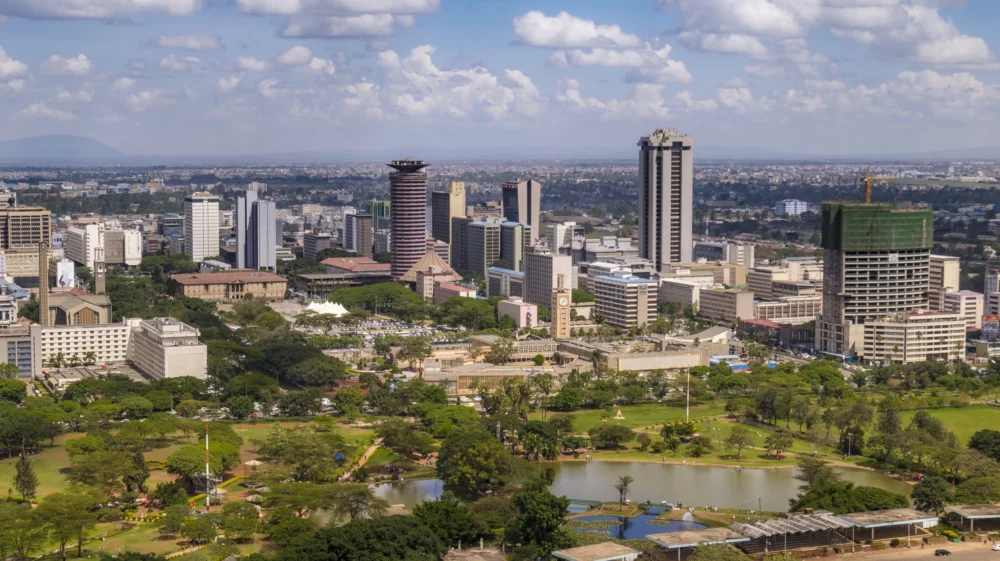
Photo: chuttersnap / Unsplash
More than 65% of the world's population are projected to live in urban areas by 2050, with major implications resource use, energy, water and sanitation, and health and well-being. At the same time urbanization can bring benefits, especially efficiency gains. SEI examines these challenges in the round to advance sustainable urbanization.
635 results / 15 of 71 pages
Past event / SEI York researchers are hosting three events as part of this month-long festival which showcases and celebrates the work of environment groups in the city.
Feature / Discover practical steps to reduce exposure and improve indoor air quality as shared by the INGENIOUS project at the UK Clean Air Conference.
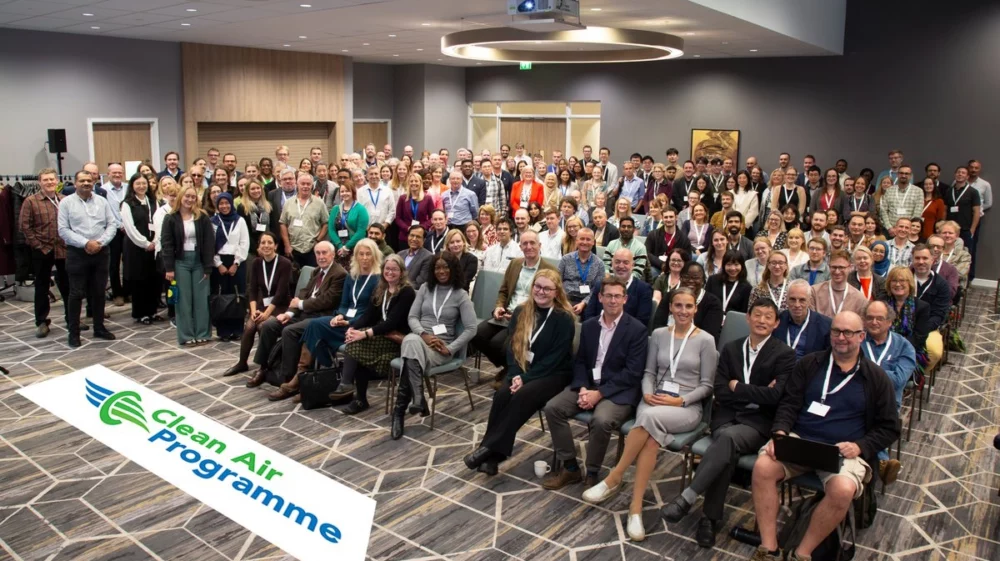
Past event / Read findings and reflections from our citizen science air quality monitoring in UK schools as presented at the UKRI/Met Office Clean Air Programme Conference.
Project / The project assessed how Bangkok’s pocket parks enhance urban wellbeing, accessibility, and environmental benefits, informing inclusive urban planning policies.
Project / The WICER project in Iraq tackles water security challenges through innovative water management, circularity promotion, resource recovery and capacity building.
Journal article / Urban green spaces play a vital role in enhancing health, livability and attractiveness in rapidly urbanizing cities.
Project / SEI Tallinn monitors riverine litter on the Pirita River in Tallinn from autumn 2024 until autumn 2026.
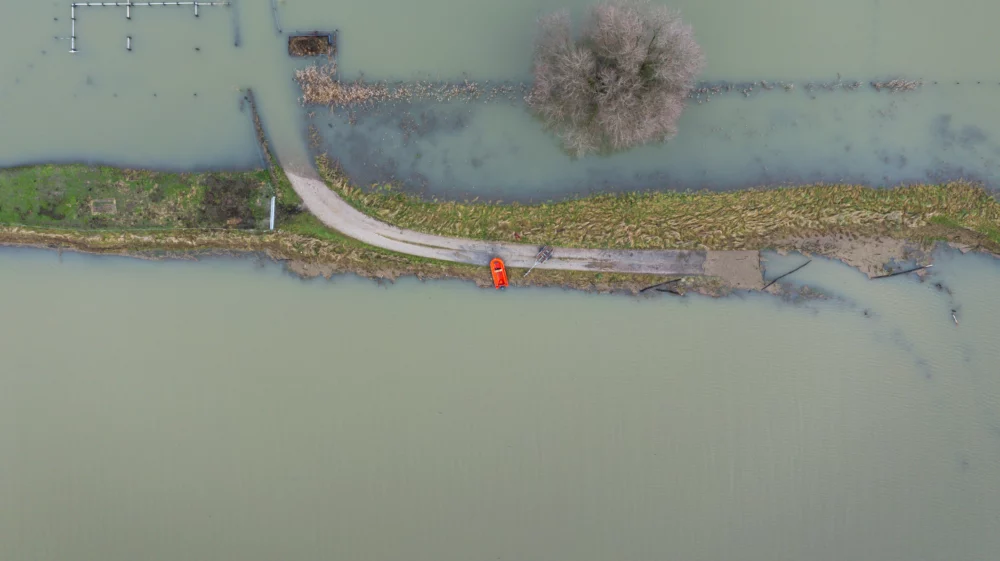
Perspective / In this perspective, SEI's Janne Parviainen argues that the impacts of Storm Boris show why Europe must rethink its approach to addressing rising flood risks.
Other publication / This brief urges the G20 to use participatory approaches to involve local city and water stakeholders in developing and implementing climate adaptation plans.