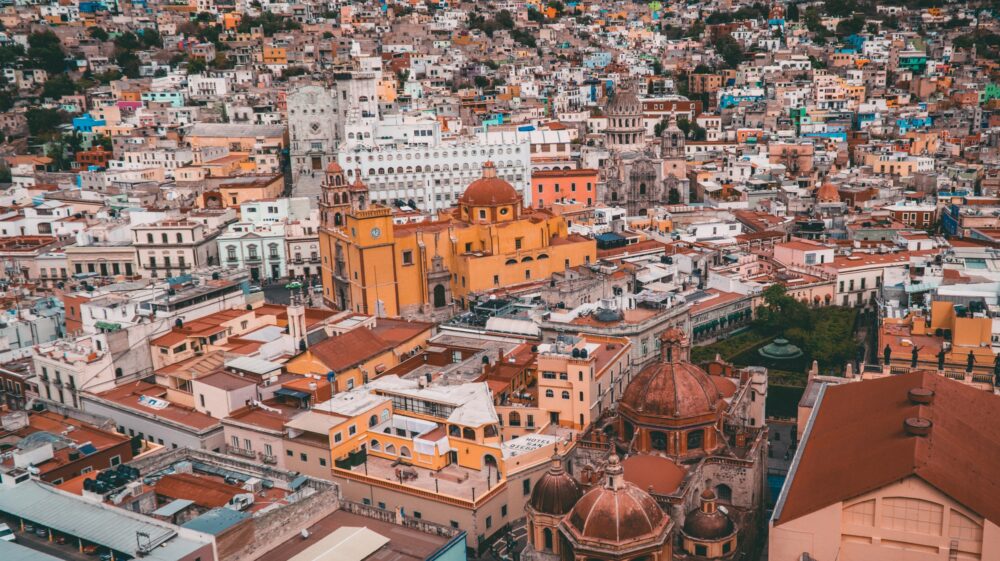
Photo: chuttersnap / Unsplash
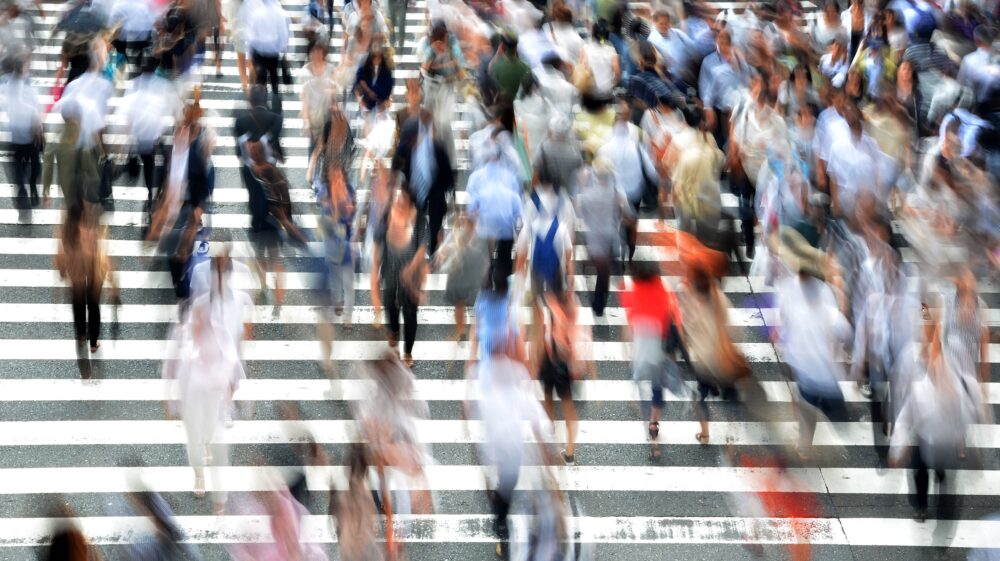
More than 65% of the world's population are projected to live in urban areas by 2050, with major implications resource use, energy, water and sanitation, and health and well-being. At the same time urbanization can bring benefits, especially efficiency gains. SEI examines these challenges in the round to advance sustainable urbanization.
635 results / 35 of 71 pages
Project / This project uses case studies to generate lessons learned and foster stronger Green Public Procurement policy in EU member states.
Journal article / This study uses mobile electroencephalography (EEG) to understand the different impacts of busy, quiet and green urban spaces on brain activity.
Other publication / This policy brief shares ten practical recommendations for urban policy makers, planners, designers and local authorities in dryland areas in Africa.
Journal article / This article introduces the first issue of <i>Cities & Health</i> volume 4. It covers topics such as urban density, active travel and climate change adaptation.
Journal article / This paper explores the links between urban public realm spaces, both natural and built, and residents' wellbeing in Low and Middle Income Countries (LMICs).
Feature / SweDev and the Development and Aid Policy Team is announcing an opportunity for development practitioners to show interest in the Programme Life Cycle Support.
Project / CrisAct aims to provide a comprehensive science-based framework to monitor and manage hydroclimatically driven natural hazard crisis and disaster responses.
Other publication / Cities provide critical venues to advance climate resiliency and decarbonize. We examine six economies and propose how cities can lead on climate action.
Journal article / This study seeks to fill in some gaps in groundwater data in India in an effort to measure how natural and man-made factors affect water supply levels.