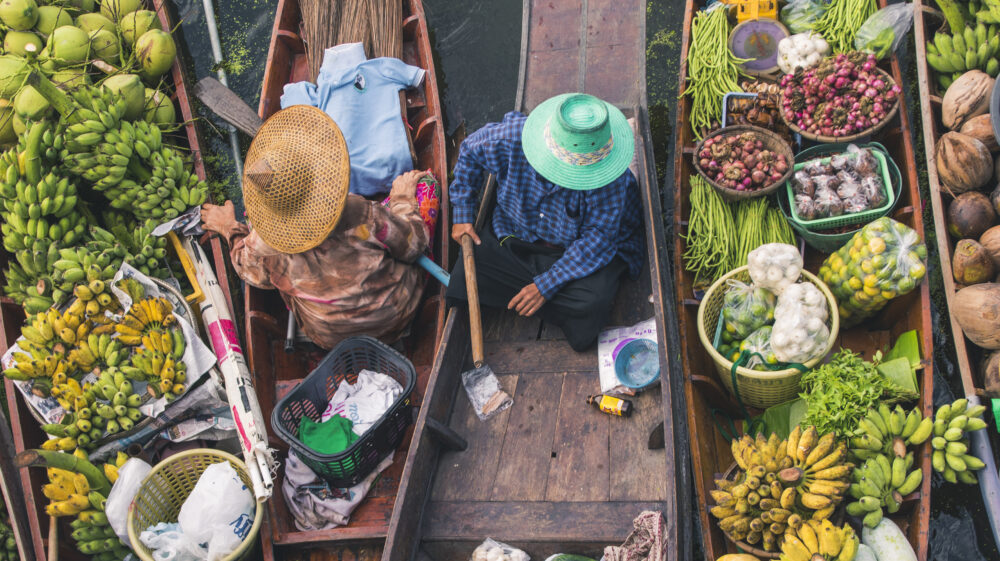
Photo: chuttersnap / Unsplash
More than 65% of the world's population are projected to live in urban areas by 2050, with major implications resource use, energy, water and sanitation, and health and well-being. At the same time urbanization can bring benefits, especially efficiency gains. SEI examines these challenges in the round to advance sustainable urbanization.
635 results / 48 of 71 pages
Past event / At the webinar, we will give an overview of the circular city concept, discuss the role of architecture and digital transformation and other aspects.
Feature / World Environment Day 2020 creates awareness on the need to invest and conserve our biological heritage for current and future generations.
Project / This project aims to accelerate investment in viable cities by assessing needs, frameworks and conditions under which financiers and cities can collaborate.
Feature / Developing a COVID-19 strategy for the environmental policy project in Bosnia and Herzegovina.
Perspective / Accessible green space in cities supports good mental and physical health. Natural spaces in cities help mitigate climate change. Planners should take note.
Feature / The SEI Initiative on Climate Services generated new insights about co-design and co-production proocesses to integrate climate science into adaptation policy.
Feature / During the years 2015-2019, SEI invested in research, tool development and capacity enhancement as part of the initiative on Low Emissions Development Pathways.
Journal article / This paper recommends improvements to the WHO's 2018 global ambient air quality database to enable better city comparisons.
Feature / SEI Asia’s five-year strategy aims to address many of Asia’s urgent environmental issues with a people-centred approach.